
# AI%20Infrastructure
Latest news and articles about AI%20Infrastructure
Total: 119 articles found
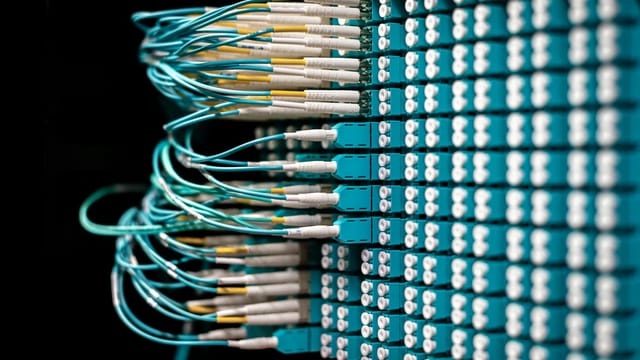
The Memory Supercycle: AI Infrastructure Propels Global DRAM Revenue to Record $100 Billion Milestone
Global DRAM revenue surged 80% in Q1 2026 to nearly $100 billion, driven by the explosive growth of AI data centers and high-bandwidth memory demand. With prices expected to rise another 50% in Q2, the industry is entering a historic supercycle led by Samsung, SK Hynix, and Micron.
China’s Tech Titans Power A-Share Surge as Huawei Teases New Chip Breakthrough
China's tech-heavy indices saw a historic surge, with the STAR 50 rising nearly 6% and trading volume exceeding 3.2 trillion RMB. The rally was driven by Huawei's announcement of a new 'logic folding' chip technology and breakthroughs in high-performance materials for AI computing.
China’s Tech Engine Roars as Semiconductor Sector Leads Broad Market Recovery
China's STAR 50 index spiked over 5% on record-breaking trading volumes, driven by a massive rally in the semiconductor and AI-related sectors. The surge highlights a significant capital rotation toward high-tech self-reliance as domestic chipmakers hit historic highs.
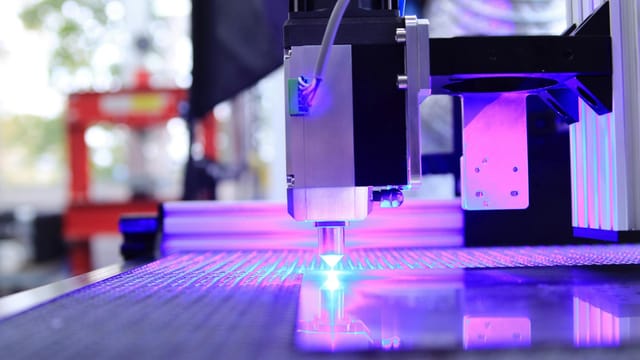
Beyond Silicon: DR Laser’s Milestone Shipment Signals China’s Move into Glass Substrate Packaging
Wuhan DR Laser has successfully shipped its first panel-level TGV equipment for glass substrates, a move that places the company at the heart of the next generation of semiconductor packaging. This technology is crucial for AI and high-performance computing as the industry shifts away from traditional organic substrates to glass for better thermal and electrical performance.

From Lab to Utility: DeepSeek’s $10 Billion Gambit to Anchor China’s AI Infrastructure
DeepSeek is reportedly seeking $10 billion in new funding from investors like CATL and Tencent, signaling a shift from a research-focused lab to a primary AI infrastructure provider. This move, coupled with a 75% API price cut, aims to capture the high-volume 'Token economy' driven by the rise of autonomous AI Agents.

China’s A-Shares Stage Tech-Led Recovery as AI Infrastructure Fever Grips Markets
Chinese markets rebounded on Friday led by a 2.84% surge in the ChiNext index, driven by intense interest in AI infrastructure components and tech leaders like BOE Technology. While the recovery rescued sentiment after a quantitative-driven sell-off, it remains structural, with capital concentrating heavily in PCBs, optical modules, and advanced cooling materials.

Racing the Clock: Zhipu AI Launches High-Speed GLM-5.1 to Capture the Real-Time Enterprise Market
Zhipu AI has launched GLM-5.1-highspeed, an enterprise-grade API delivering 400 tokens per second. The model targets latency-critical applications like AI programming and real-time voice, positioning Zhipu to lead the efficiency-focused second wave of China's AI evolution.
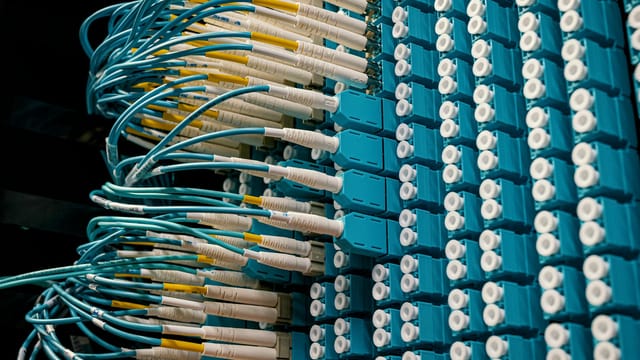
The AI Circulatory System: Optical Giants Pivot to 12.8T as 'Super Cycle' Takes Hold
The 21st Optics Valley Expo highlighted a generational 'super cycle' in optical communications, with manufacturers showcasing 12.8T pre-research designs to meet AI demand. Driven by exploding token usage and cloud CAPEX, the industry is shifting toward high-capacity architectures like CPO and 1.6T modules.
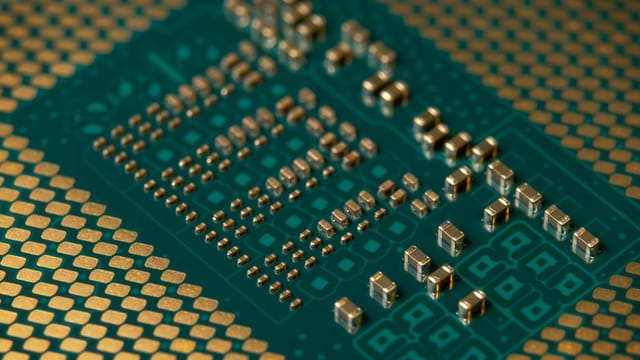
Silicon Sovereignty: Semiconductor Surge Decouples China’s Tech Index from Broader Market Blues
The STAR 50 Index rose by more than 3% as semiconductor and AI infrastructure stocks hit record highs, even as the broader Shanghai Composite struggled. A massive 2.95 trillion RMB turnover indicates a major capital rotation into domestic high-tech sectors, contrasting sharply with a slump in traditional and green energy stocks.
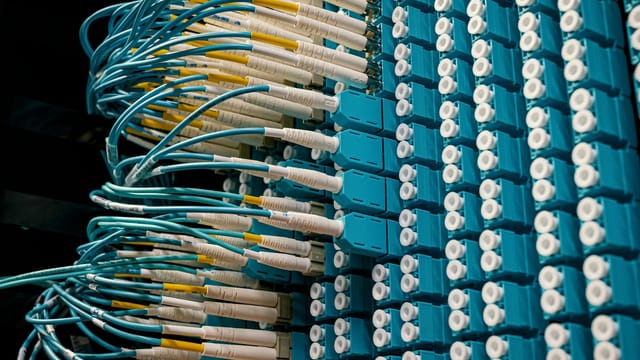
The Photonics Payday: How China’s AI Hardware Titans Are Minting Millionaires
Nearly 1,500 employees at China's top optical module firms have realized over 3 billion RMB in gains from stock incentives as the AI infrastructure boom drives record profits. The success of companies like Zhongji Innolight and Eoptolink reflects their critical role in providing high-speed transceivers for global AI data centers.
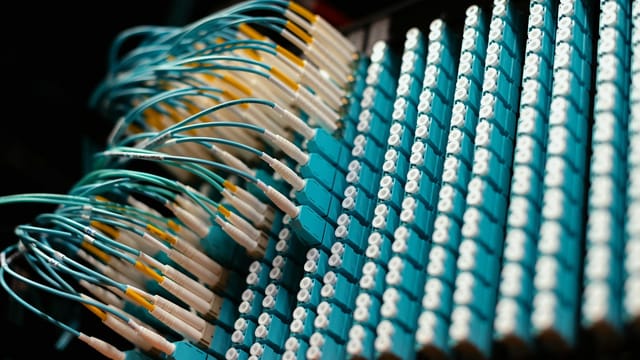
The Spoils of Silicon: How China’s AI Boom is Minting Millionaires at Innolight
Chinese optical transceiver leader Zhongji Innolight has distributed billions of yuan in equity to over 800 employees following a massive stock surge driven by the global AI infrastructure boom. The company’s success reflects China's 60% dominance in the global optical module market and a significant shift in investor sentiment toward high-tech hardware.
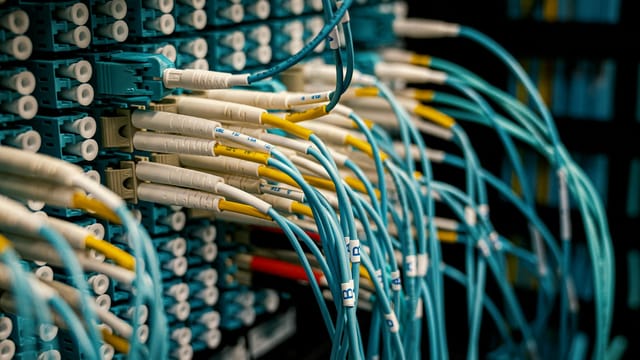
The AI Infrastructure Windfall: How InnoLight Minted a New Class of Chinese Tech Millionaires
InnoLight Technology has reached a historic 1.17 trillion RMB market cap, creating thousands of millionaires among its staff through aggressive equity incentives. The company’s success is fueled by its dominance in the global AI hardware supply chain, with 90% of its revenue coming from overseas markets.