
# AI
Latest news and articles about AI
Total: 207 articles found

Midea’s MevoX Pushes Smart Homes from Remote Control to Cognitive Spaces
Midea unveiled MevoX, a self‑evolving home intelligence agent, and pledged over RMB 60 billion to AI and embodied intelligence over three years. The company is targeting two persistent technical gaps—reasoning (inference) and memory—to move smart homes from device control to proactive, context‑aware spaces, while signalling a strategic pivot from hardware sales to platform and service revenue.

The New ‘Compute Tax’: How OpenClaw Turns AI FOMO into Consumer Spending
OpenClaw has turned the high cost of compute into an accessible but potentially expensive consumer product, fueling token spending driven more by fear of missing out than by clear productivity gains. While big tech treats compute as a long-term strategic play, ordinary users are discovering that using powerful AI can be costlier and less useful than expected, creating new revenue streams for cloud vendors and service providers.

From Baidu Intern to HKEX Giant: How MiniMax Overtook Its Mentor in Four Years
Yan Junjie, a former Baidu intern and veteran SenseTime researcher, founded MiniMax in 2021 and transformed it into an AI company that briefly surpassed Baidu’s market value on the Hong Kong exchange. Backed by major investors and a fast‑growing product suite, MiniMax’s rise highlights China’s rapid AI startup ecosystem growth and the geopolitical and governance challenges that accompany global expansion.

Midea Doubles Down on AI: 600bn RMB More to Turn Every Appliance into an Intelligent Agent
Midea has committed another 600 billion yuan in R&D over the next three years as it shifts its appliance business toward AI. The company unveiled MevoX, a home intelligence agent, MIA 1.0 for unified device orchestration and an open-platform strategy to accelerate whole‑home intelligence and partnerships with car and phone makers.

Musk Nears Trillionaire Club as Global Billionaire Wealth Surges to $20.1tn; Zhang Yiming Tops China
Forbes’ 2026 billionaire list shows a record $20.1 trillion in combined billionaire wealth, driven largely by AI-fueled market gains. Elon Musk tops the list at about $839 billion and may be the first to reach $1 trillion if current trends persist, while ByteDance founder Zhang Yiming is the richest person in China.

Apple’s Smart-Home Push Stalls as Siri’s Slow Burn Forces Product Delays
Apple has delayed the release of a smart home display (J490) until about September while it finishes a major Siri overhaul. The setback highlights friction between Apple’s hardware readiness and the slower development of AI-driven software features that underpin its smart-home strategy.
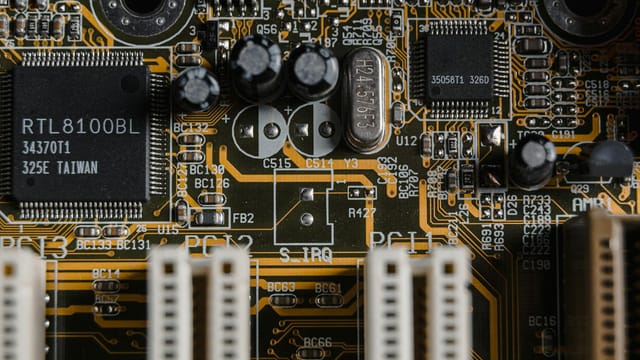
Global Chip Sales Surge in January as AI and Cloud Demand Drive a 46% Yearly Jump
Global semiconductor sales rose to $82.54 billion in January 2026, up 46.1% year‑on‑year and 3.7% month‑on‑month, driven largely by AI‑related demand and broader market restocking. The rise strengthens revenues for chipmakers and equipment suppliers but is tempered by cyclical risk and geopolitical considerations that will influence capacity and supply chains.

China Debates a National Early‑Warning System as AI Upends Jobs
China is shifting from anecdotal fear about AI to systemic policy proposals. Legislators and experts are advocating a national AI employment risk monitoring and early‑warning system, complemented by retraining and social protection, while some scholars call for legally defined limits on AI use to protect jobs and stability.

Hisense Chairman Urges State 'Intelligent‑Agent' Platforms as AI Shifts to Industrial Deployment; Humanoid Robots Still Years from the Home
Hisense chairman Jia Shaoqian told China’s Two Sessions that AI is transitioning from hype to industrial application and urged the state to build shared “intelligent‑agent” platforms and an industrial knowledge base to convert tacit factory know‑how into actionable assets. He cautioned that humanoid robots remain immature for household use and recommended measured, demand‑led investment rather than chasing short‑term hype.

A‑Shares Slip as Energy Stocks Plunge; Investors Pivot to Batteries and AI Hardware Bets
China’s A‑shares opened lower after a steep morning sell‑off in oil and gas stocks, while battery makers and AI‑adjacent companies attracted selective buying. Broker research highlighted long‑term opportunities in AI agents, overseas data‑centre power solutions and mass‑market AI NAS devices, suggesting structural winners even amid short‑term volatility.

Alibaba Rejects Claims of AI Team Exodus after Executive Departure, Says Services Unaffected
Alibaba has denied that its large-model AI team collectively resigned, stressing team stability, normal service operation, and that it has not imposed commercial KPIs. The clarification followed the resignation of a senior figure and reflects broader tensions in China’s AI talent market between research freedom and pressure to monetise.

China’s Two Sessions Signal a Quiet Pivot: Modest Stimulus, Big Bets on Tech and Decarbonisation
China’s 2026 policy package keeps overall fiscal appetite steady but prioritises three strategic directions: lifting prices modestly, accelerating technology and industrial self‑reliance, and imposing a roughly 3.8% carbon‑intensity reduction. The government set a lower but pragmatic GDP target of 4.5%–5%, signalling a conscious pivot from quantity to quality of growth.