
# China-Iran%20Relations
Latest news and articles about China-Iran%20Relations
Total: 23 articles found
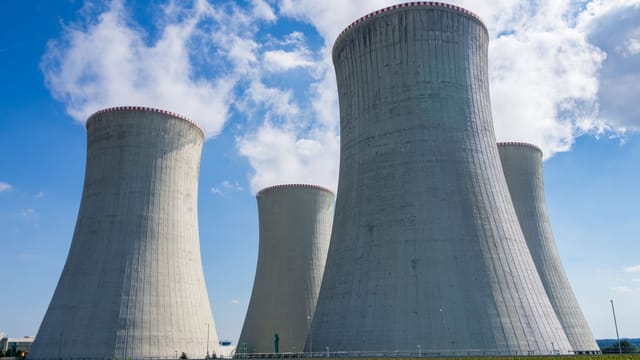
A Diplomatic Opening: Tehran Signals Potential Breakthrough in Nuclear Standoff
An Iranian negotiation advisor has revealed a draft memorandum of understanding aimed at resolving the nuclear impasse through phased sanctions relief. The proposal marks a significant diplomatic pivot that seeks to reconcile Iran's economic needs with international security requirements.

Beijing Challenges Western Consensus on Iran as IAEA Passes Censure Resolution
China has formally opposed a Western-backed IAEA resolution censuring Iran, arguing that military strikes and political pressure from the West and Israel are the primary drivers of the nuclear crisis. Ambassador Li Song emphasized a four-point diplomatic plan aligned with Xi Jinping’s Global Security Initiative, while a significant number of Global South nations abstained from the vote.
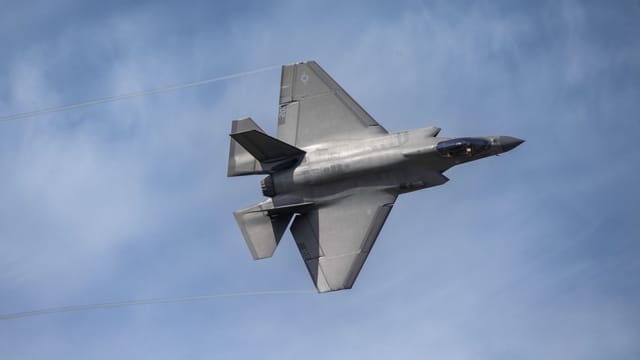
Tehran’s Digital Offensive: Iranian Claims of Striking US Air Power Signal Rising Regional Friction
Iran has released controversial footage claiming to show successful strikes against U.S. Air Force bases in three countries, a narrative rapidly picked up by Chinese state media. The reports claim significant destruction of American aircraft and facilities, signaling an intensification of regional tensions and information warfare.
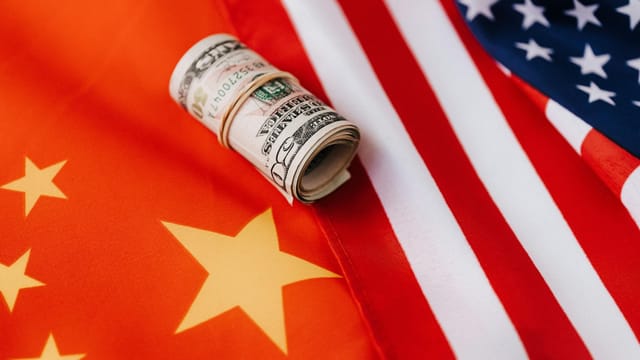
Beijing’s Middle East Tightrope: Wang Yi Positions China as the Irreplaceable Mediator in Iran Standoff
Foreign Minister Wang Yi has reaffirmed China's commitment to resolving the ongoing deadlock in Iran, emphasizing Beijing's long-term efforts as a mediator. The move signals China's broader ambition to replace Western influence with its own strategic 'Chinese solution' for Middle Eastern stability.
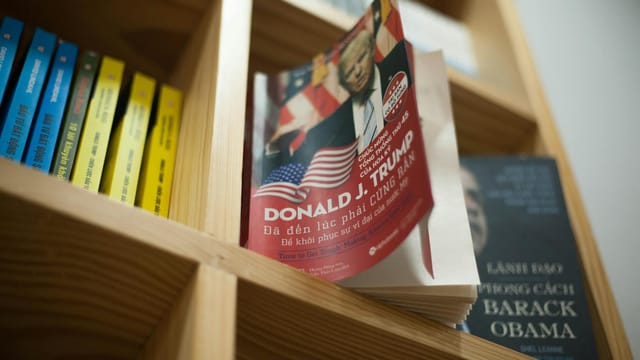
Trump’s 'Storm' Warning: US and Israel Signal Potential Return to Hostilities with Iran
Tensions between the US, Israel, and Iran have reached a breaking point as President Trump warns of a 'storm' and discusses restarting military operations with Prime Minister Netanyahu. Global markets have responded with sharp increases in oil and gold prices, while Iran has pivoted toward China for strategic support amid a deadlock in diplomatic negotiations.
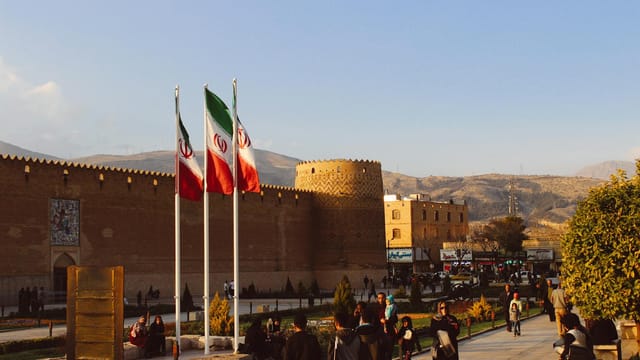
Tehran’s New Guard: Why Mojtaba Khamenei is Betting on Beijing to Break the American Siege
Under the new leadership of Mojtaba Khamenei, Iran has recalibrated its strategic stance by designating its nuclear program as a non-negotiable sovereign asset and explicitly seeking China's role as a security guarantor. This pivot, supported by a blockade of the Strait of Hormuz, signals a decisive move away from Western-led diplomacy in favor of a Beijing-centric regional security architecture.
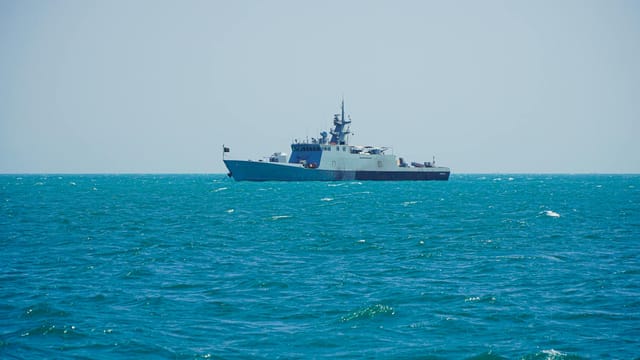
A New Order in the Strait: How a Tanker Attack Shifts Maritime Power Toward Beijing
An attack on a Chinese oil tanker in the Strait of Hormuz is being utilized by Beijing to challenge U.S. maritime dominance and Western financial control. By providing its own insurance and security frameworks, China is transitioning from a consumer of maritime safety to a primary arbiter of regional trade.
Beijing’s Balancing Act: Iran’s Top Diplomat Seeks Stability Amid Regional Crossroads
Iranian Foreign Minister Abbas Araghchi's visit to Beijing highlights China's strategic effort to mediate Middle Eastern tensions ahead of a planned visit by Donald Trump. Beijing is utilizing its 'four-point proposal' to promote regional stability and protect its energy interests while positioning itself as a diplomatic alternative to the United States.
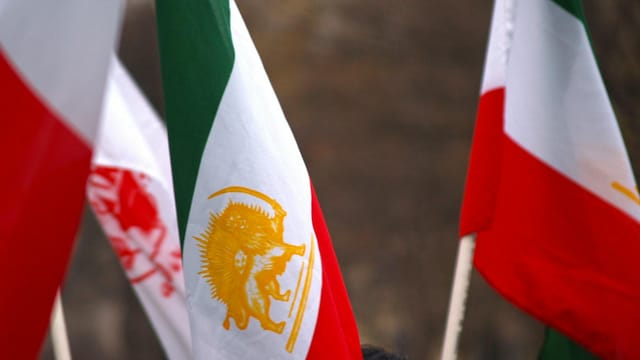
Beijing Moves to Cement its Role as the Middle East’s Indispensable Mediator
Chinese Foreign Minister Wang Yi met with Iranian Foreign Minister Abbas Araghchi in Beijing to advocate for an immediate ceasefire and regional dialogue. The meeting emphasized President Xi Jinping’s vision for a self-governed Middle East security architecture that excludes outside interference and prioritizes sovereignty.

Beijing’s Strait Advantage: China Emerges as the Indispensable Broker in the Persian Gulf
As U.S.-Iran military tensions flare in the Hormuz Strait, China has emerged as the sole mediator capable of engaging both sides. Driven by its own energy security and the 1.38 million barrels of Iranian oil it imports daily, Beijing is leveraging its economic ties and the use of the Yuan to challenge U.S. sanctions and propose a new regional security framework.
Beijing’s Diplomatic Gambit: China Crafts a New Security Blueprint for the Middle East
Chinese Foreign Minister Wang Yi met with Iranian Foreign Minister Abbas Araghchi to promote a regional security architecture led by Middle Eastern states. Beijing is leveraging its 'Four Points' proposal to advocate for an immediate ceasefire and strategic autonomy, aiming to reduce Western influence in the region.
Hormuz at a Crossroads: Iran’s Araghchi Seeks Beijing’s Weight in High-Stakes US Negotiations
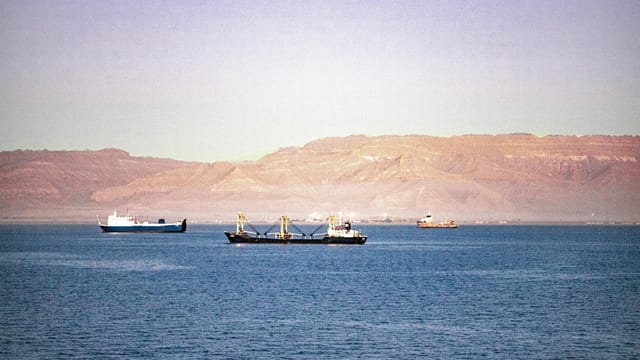
Iranian Foreign Minister Abbas Araghchi visited Beijing to brief Chinese officials on negotiations with the US, highlighting China's central role in mediating the Persian Gulf crisis. Amidst a fragile ceasefire and the ongoing blockade of the Strait of Hormuz, Beijing is advocating for a diplomatic settlement that avoids renewed warfare while safeguarding its own energy security.