
# China
Latest news and articles about China
Total: 858 articles found

Beijing Says It Is 'Handling' Appointment of Japan's Chongqing Consul — A Quiet Diplomatic Signal
China's foreign ministry said it is "handling" the appointment of Japan's new consul general in Chongqing, responding to suggestions that Beijing has delayed agrément. The terse statement leaves open whether the vacancy is a routine administrative gap or a subtle diplomatic signal amid complex Sino-Japanese relations.
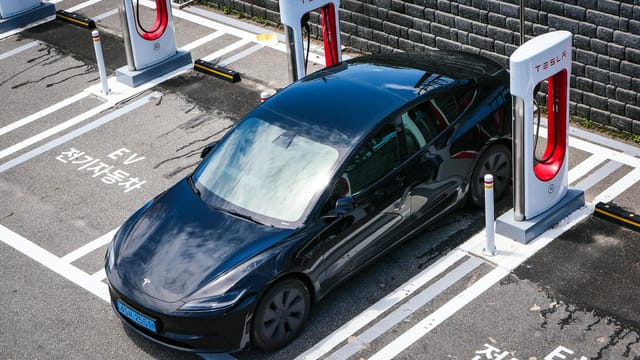
China Hits 20 Million Charging Connectors — A Milestone That Rewrites the EV Playing Field
China’s EV charging network has surpassed 20 million connectors, a sign of the country’s rapid electrification. The milestone improves access for drivers and underpins further EV adoption, but it also brings challenges in grid management, geographic disparity and commercial sustainability.
At Davos China Sells Itself as the Calm, Reliable Alternative to an Unpredictable America
At Davos, Vice‑Premier He Lifeng framed China as a sober, reliable partner committed to multilateralism and free trade, positioning Beijing against an assertive, unpredictable American posture. The move aims to win over investors and hesitant allies, but its lasting success depends on concrete policy shifts that address market access and geopolitical anxieties.

How China’s Armed Police Are Using Drones, AI and Cameras to Guard an Iconic Bridge
A People’s Armed Police unit in Nanjing has deployed an integrated system of fixed cameras, drones and an intelligent duty‑management platform to monitor and protect the historic Nanjing Yangtze River Bridge. The initiative has reduced manpower needs, improved early warning and response, and exemplifies China’s broader push to fuse technology with domestic security operations.

One Year In: China’s Luohe Warship Moves from Commissioning to Yellow Sea Readiness Drills
China’s warship Luohe has completed its first year in service, conducting multi-discipline training in the Yellow Sea in March 2025 and departing again for new-year military training assessments. The activity reflects the PLA Navy’s focus on turning new hulls into operational units and signals a steady intensification of naval presence in a strategically sensitive area.

China’s 2025 Incomes: Strong Wage-Led Gains, but Coastal Cities Pull Ahead
China’s National Bureau of Statistics reported that national per-capita disposable income rose to 43,377 yuan in 2025, up 5.0% in real terms, but gains are unevenly distributed. Shanghai and Beijing lead by a wide margin, while selected central and western provinces show catch-up driven by industrialisation and urbanisation.

China’s 200,000‑Satellite Gambit: Racing to Lock the Orbits
China’s late‑2025 ITU filing for approximately 203,000 low‑ and medium‑orbit satellites has jolted the global space sector, prompting rapid reactions from incumbents and regulators. The move underscores a strategic race for finite orbital slots and spectrum that will shape 6G, national security and the economics of space for decades.

Macron Seeks Chinese Investment — EU’s New ‘High‑Risk’ Rules Make the Welcome Highly Conditional
Emmanuel Macron urged Europe to attract more Chinese direct investment at Davos, but the European Commission simultaneously proposed new rules to exclude equipment from suppliers in “high‑risk” countries from critical sectors. The juxtaposition highlights a growing gap between Europe's stated desire for Chinese capital and its security‑driven regulatory posture, which risks keeping investment conditional and limited.

Apple Offers Short New‑Year Price Cut in China — But Newest iPhones Stay Off the Table
Apple China will run a four‑day New‑Year promotion from Jan 24–27 offering up to RMB 1,000 off selected iPhones, Macs, iPads and Apple Watches, while excluding the newly released iPhone 17 series. The limited, targeted discount reflects Apple’s effort to stimulate demand in a mature Chinese market without undercutting its latest flagship models.

Apple China Rolls Out Short Lunar‑New‑Year Price Cuts — Up to ¥1,000 Off Select Devices
Apple China is offering up to ¥1,000 off selected devices on its website from 24–27 January 2026, covering iPhone 16 models but excluding iPhone 17. The limited‑time move is aimed at stimulating Lunar‑New‑Year purchases, managing inventory and competing with domestic rivals while preserving overall pricing strategy.

China’s Deposit Rates Slide: Large CDs Fall Below 1% as Banks Trim Long-term Offers
Chinese banks have cut rates on large-denomination certificates of deposit, with many short-term offerings now below 1%. The retreat of longer-term deposit products and tighter issuance reflects central-bank easing and banks’ efforts to protect net interest margins, prompting savers to seek alternative yields and raising questions about future credit growth and financial stability.

Beijing Says Drone Flight Near Dongsha Was Lawful Training as Taipei Protests Incursion
Beijing says a PLA drone's flight within 12 nautical miles of Dongsha Island on January 21 was routine training and lawful, while Taipei condemned it as provocative and destabilising. The episode highlights the growing use of unmanned systems in cross‑strait grey‑zone operations and raises regional concerns about escalation and challenges to territorial norms.