
# Communist%20Party%20of%20China
Latest news and articles about Communist%20Party%20of%20China
Total: 14 articles found
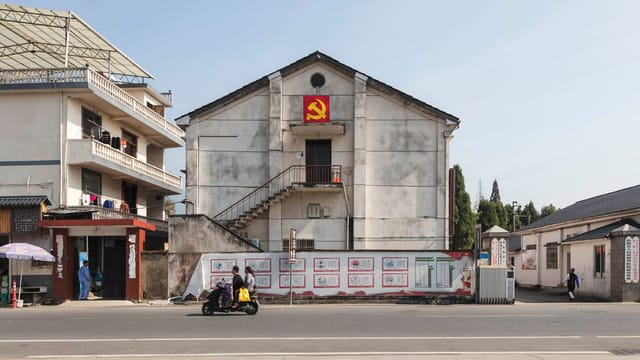
The Legacy of the Turning Point: How Zunyi’s Revolutionary Past Fuels China’s Rural Future
This report examines how Zunyi, the site of the CPC's most critical historical pivot, uses its revolutionary legacy to drive modern economic initiatives like rural livestreaming and tea production. It highlights the transition of ideological messaging from traditional storytelling to digital commerce as a means of maintaining political legitimacy.
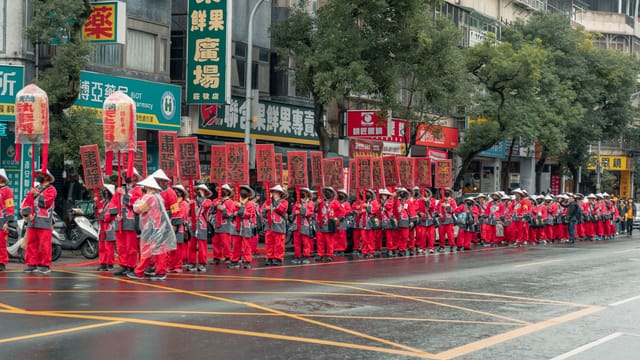
The Scholar-Revolutionary's Final Stand: Assessing the Legacy of Qu Qiubai
This report examines the historical significance of Qu Qiubai’s 1935 capture by Nationalist forces, a pivotal moment in the CPC's early history. It explores how Qu’s intellectual legacy and martyrdom are utilized in modern Chinese media to reinforce state legitimacy and historical continuity.
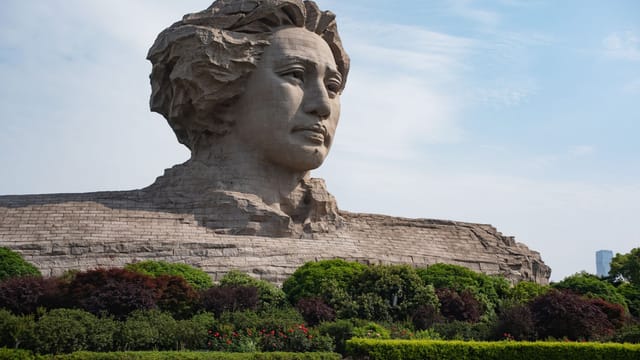
Echoes of the 'Single Spark': Why China’s Revolutionary History Remains its Political North Star
China is reinforcing the historical narrative of its 1927-1931 revolutionary period to bolster modern political legitimacy and party discipline. The narrative focuses on the shift to rural insurgency, the principle of party control over the military, and early experiments in state-building.
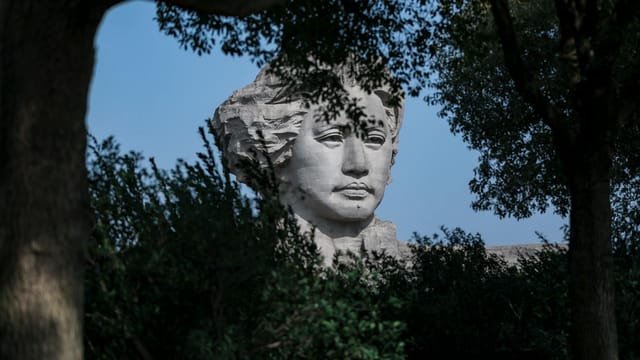
Echoes of the Spark: Reanimating the Rural Roots of China’s Revolution
The Chinese Communist Party is intensifying its focus on the Jinggangshan revolutionary base as a tool for modern ideological education. By highlighting the strategic shift from urban to rural warfare in 1927, the party seeks to ground its historical legitimacy in a narrative of survival and peasant-led reform.
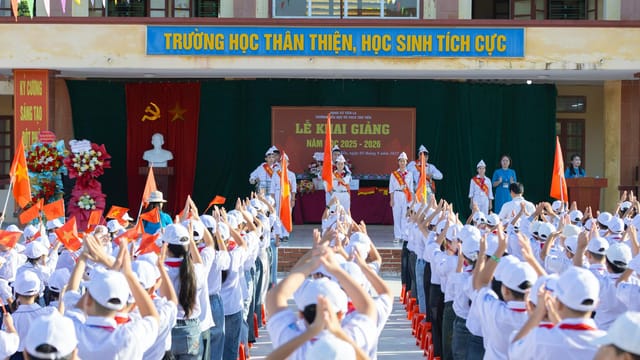
Sowing the Seeds of Ideology: China’s 'Little Red Trumpets' and the New Guard of Revolution
President Xi Jinping has publicly endorsed the 'Red Scarf' youth guide program, highlighting its role in passing down revolutionary history to the next generation. Originally started in Shanghai, the initiative now employs thousands of children nationwide to act as museum docents and storytellers for the Communist Party's history.

Digital Resurrections: How China Uses AI to Bridge the Gap Between Revolutionary History and Modern Memory
A 108-year-old widow of a Chinese revolutionary martyr was 'reunited' with her husband through digital reconstruction technology. This event highlights China's growing use of AI to modernize revolutionary history and strengthen nationalistic sentiment through emotional storytelling.
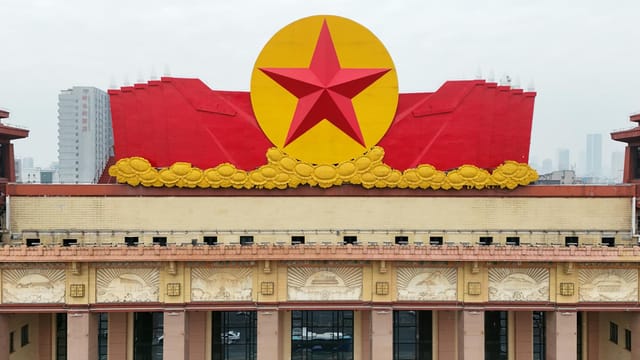
Classroom Frontlines: Beijing Deploys Wartime Relics to Reinforce the 'Mainstay' Narrative
Beijing has launched a 22-school exhibition tour featuring historical artifacts to reinforce the narrative of the Communist Party as the central force in the war against Japan. The program uses peer-to-peer teaching and immersive performances to integrate state ideology into the education of youth from primary school through university.

The Price of Order: China Urges Public Servants to Lead a Rescue of the Property Sector
Local Chinese governments are mobilizing public officials to pay property management fees as a way to set a social example amid a nationwide collection crisis. With fee collection rates falling below the 85% industry survival threshold, authorities are using moral pressure and sector-wide crackdowns to prevent the collapse of urban residential services.
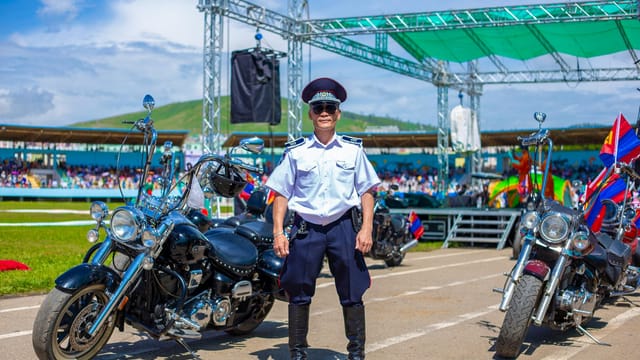
The New Guardians of History: How China’s Military is Shaping the Revolutionary Narrative
Young soldiers from the People’s Armed Police served as historical guides at the Zunyi Meeting site on Youth Day, blending military duty with ideological storytelling. The initiative aims to modernize patriotic education and reinforce the Communist Party's foundational myths for a contemporary audience.

Echoes of the Rails: China’s Revolutionary Pedagogy and the Cult of the Railway Guerrilla
During the Qingming Festival, high-profile commemorations for the legendary Railway Guerrillas in Shandong highlight China's ongoing 'Patriotic Education' campaign. The event serves to link wartime revolutionary sacrifice with modern national identity and youth indoctrination.

The Red Rites of Spring: Beijing Mobilizes Youth for Revolutionary Remembrance
Ahead of the Qingming Festival, China has launched a nationwide campaign of 'martyr' commemorations focused heavily on ideological education for youth. These state-orchestrated rituals serve to reinforce the Communist Party's historical legitimacy and promote a unified national identity centered on revolutionary sacrifice.

The Politics of Remembrance: Why China’s Youth are Returning to Revolutionary Roots
Chinese elementary schools are intensifying patriotic education by organizing student visits to revolutionary cemeteries ahead of the Qingming Festival. These activities are designed to instill a sense of 'red' inheritance and loyalty to the state among the youth, in line with new national education laws.