
# Germany
Latest news and articles about Germany
Total: 56 articles found
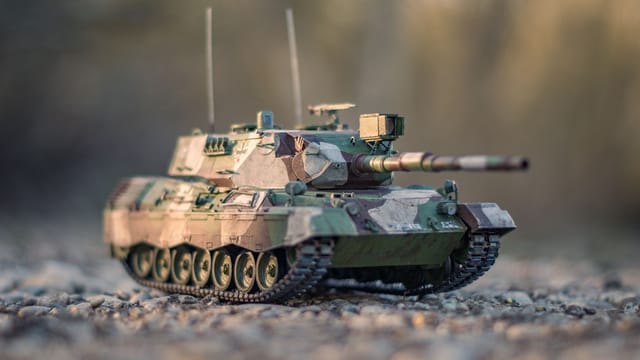
Germany’s €16 Billion Shield: Berlin Pivots to Autonomous Warfare Preparedness
Germany has unveiled a €16 billion plan to overhaul its drone defense and autonomous warfare capabilities by 2030. The initiative includes the creation of rapid response units across all military branches and a surge in defense spending to 4-5% of GDP.
UNSC Seat Shakeup: Austria Ascends as Philippines and Germany Face Diplomatic Rejection
Austria and four other nations were elected as non-permanent members of the UN Security Council, while Germany and the Philippines failed to secure seats. The results highlight the difficulties major regional powers face in garnering global support amid deepening geopolitical divisions.
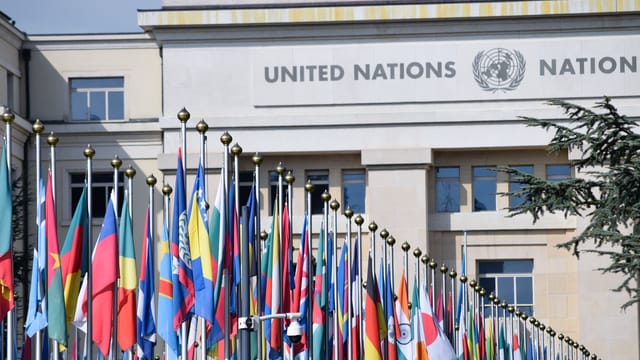
Diplomatic Realignment: Germany Rebuffed as UN Security Council Welcomes New Members
Austria, Portugal, Trinidad and Tobago, and Zimbabwe have been elected as non-permanent members of the UN Security Council, while Germany failed to secure a seat. A final seat remains contested between the Philippines and Kyrgyzstan, highlighting shifting geopolitical priorities within the General Assembly.

Cracks in the Alliance: UK and Germany Break Ranks with Israel as Lebanon Offensive Intensifies
Britain and Germany have sharply criticized Israel's capture of Beaufort Ridge in southern Lebanon, warning that the escalation threatens regional stability and creates a humanitarian crisis. Despite these warnings from key allies, Prime Minister Netanyahu has pledged to expand military operations across multiple fronts, signaling a significant divergence in strategic priorities between Israel and the West.

Redefining the Northern Front: Israel’s Escalation in Lebanon Strains Ties with European Allies
Israel's capture of the strategic Beaufort Ridge in southern Lebanon has triggered sharp criticism from the UK and Germany, who warn of a mounting humanitarian crisis. Prime Minister Netanyahu has signaled a major policy shift toward a multi-front military expansion, raising fears of a broader regional war.

A Reversal of Fortunes: Japan Slides to Third as China Ascends the Global Creditor Rankings
Japan has fallen to become the world's third-largest creditor nation, surpassed by China, even as its net foreign assets hit a record high of 561.8 trillion yen. While Japan's wealth continues to grow through overseas investments, China and Germany's dominance is fueled by larger trade surpluses and Japan's rising domestic stock values which count as liabilities.

The Trojan Horse Strategy: How Leapmotor is Rewiring the European Automotive Core
Leapmotor is successfully penetrating the European market by embedding itself within Stellantis's manufacturing and distribution network. This strategic alliance allows the Chinese automaker to bypass tariffs through local production in Spain while providing Stellantis with the low-cost EV technology needed to remain competitive.

Trump’s Polish Pivot: Transactional Diplomacy and the Realignment of US Power in Europe
President Trump has announced the deployment of 5,000 additional troops to Poland, framing it as a gesture of support for President Karol Nawrocki. The move underscores a broader strategy of rewarding loyal allies while simultaneously drawing down forces in Germany as a form of diplomatic leverage.
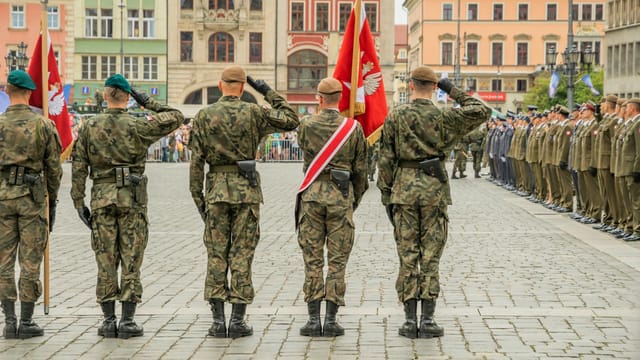
The Polish Pivot: Trump’s Transatlantic Whiplash Leaves NATO Reeling
President Trump has announced a 5,000-troop surge to Poland shortly after withdrawing a similar number from Germany, citing the election of a friendly Polish president. The move has caused widespread confusion among NATO allies and Pentagon officials due to its transactional nature and inconsistent communication.
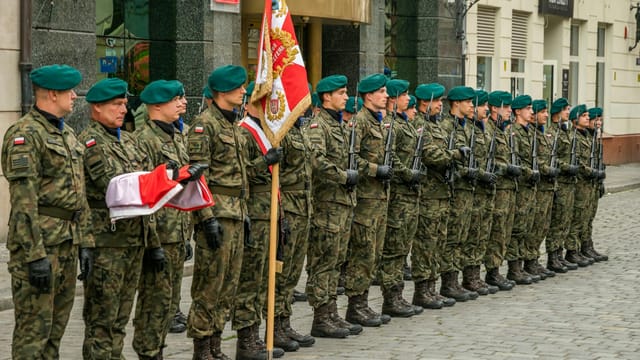
Fortress America Retrenches: Why the US Pullback from Poland Signals a New European Order
The Pentagon has abruptly cancelled major troop deployments to Poland and Germany, signaling a broader strategic withdrawal from Europe. This move, driven by a desire for a leaner military and potential detente with Russia, is forcing European allies to reconsider their reliance on U.S. security guarantees.

Deep Strike Diplomacy: The Strategic Impact of the German-Ukrainian 1,500km Drone Initiative
Germany and Ukraine have entered a joint venture to produce drones with a 1,500km range, significantly expanding Kyiv's strategic strike capabilities. This partnership marks an evolution toward Ukrainian industrial self-sufficiency and forces a major recalibration of regional air defense strategies.
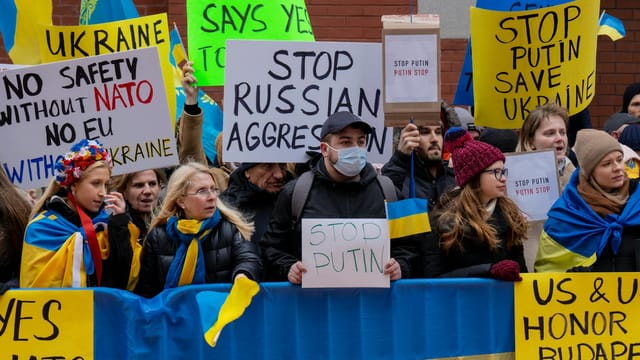
Broken Arrows: US Supply Constraints Derail Missile Deployment to Germany
German Chancellor Friedrich Merz has announced that the promised deployment of U.S. Tomahawk missiles to Germany is effectively on hold due to American inventory shortages. This represents a significant blow to the 2024 defense agreement and highlights the limits of U.S. military industrial capacity to support its European allies.