
# Global%20Trade
Latest news and articles about Global%20Trade
Total: 65 articles found

From Exporters to Insiders: China’s EV Giants Build a Fortress of Overseas Factories
Chinese EV manufacturers are aggressively acquiring overseas factories to bypass international tariffs and localize production. Following successful models in Thailand and Brazil, companies like Xpeng and BYD are transitioning from simple exporters to global manufacturers, aiming to secure a permanent foothold in the world's most competitive markets.
The Zhang Xue Paradox: Why Racing Setbacks Mask China’s Industrial Breakthrough Moment
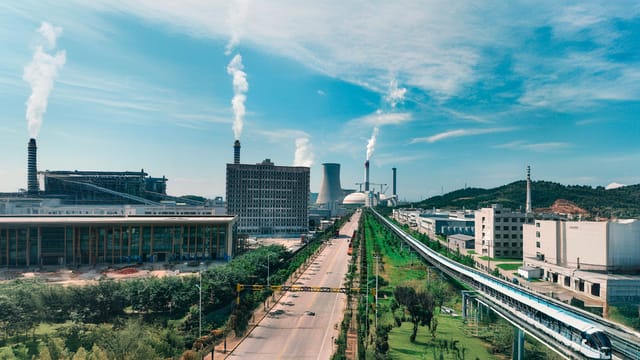
The recent racing defeat of Zhang Xue’s motorcycle team highlights a temporary setback that obscures China's broader industrial leap toward 'interlocking innovation.' Driven by a surge in technical talent and a synergistic manufacturing ecosystem, China is transitioning from a high-volume exporter to a global leader in high-tech proprietary knowledge.

The Billion-Dollar Gamble: Pinduoduo’s Strategy to Turn Chinese Factories into Global Brands
Pinduoduo is sacrificing short-term profitability to fund a massive 100-billion-yuan initiative aimed at elevating Chinese manufacturers from anonymous suppliers to global brand owners. By leveraging Temu’s massive global traffic and a new risk-sharing model, the platform seeks to capture higher margins and redefine China's role in the global value chain.
The New Armada: China’s Strategic Pivot to Global Auto Manufacturing
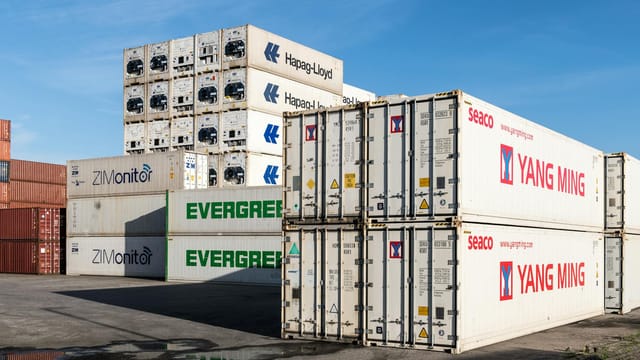
Chinese automakers are shifting from vehicle exports to localized manufacturing by acquiring shuttered legacy factories worldwide. While this strategy bypasses tariffs and shortens supply chains, it faces massive risks including low capacity utilization, labor friction, and the high cost of retooling outdated facilities.

Throttling the Gulf: US Maritime Blockade of Iran Forces Massive Shipping Reroutes
US Central Command has confirmed an active maritime blockade against Iran, impacting 123 vessels to date. The operation, involving the USS Milius, has forced significant rerouting of international shipping and signals a major escalation in US-Iran tensions.

Pinduoduo’s Strategic Paradox: Sacrificing Short-Term Profits to Build a Global Supply Chain Powerhouse
Pinduoduo's Q1 2026 results show an 18% revenue jump but a 15% profit decline as the company aggressively reinvests in its global and agricultural supply chains. The strategy marks a pivot from advertising-led growth to a capital-heavy model focused on logistics, rural infrastructure, and the global branding of Chinese manufacturing through Temu.

Silicon Shield: How Semiconductor Exports Are Buffering South Korea Against Energy Volatility
South Korea is currently leveraging its massive semiconductor export revenues to offset the economic damage caused by high energy import costs. While this silicon hedge is maintaining GDP growth, the underlying disparity between production and domestic income highlights a persistent vulnerability to global commodity shocks.

The Last Mile: Why Chinese EVs Must Master Service and Resale to Conquer the World
While Chinese automakers have achieved record-breaking export growth, they are facing new challenges related to brand trust, regional adaptation, and low resale values. To achieve long-term success, the industry must shift focus from technological bells and whistles to building robust local service networks and standardized quality controls.

Victory at the Margins: The Industrial Anxiety Behind China’s Racing Triumphs
While Zhang Xue secures historic racing victories for Chinese motorcycles, the broader industry remains trapped in a low-margin cycle. Despite record export volumes, Chinese manufacturers struggle with a lack of core technology, a massive R&D gap compared to giants like Honda, and a reputation for low-cost products.

Tehran’s Global Gambit: Iran Threatens World Markets as Trump-Netanyahu Relations Fray
Iran has warned it will expand any future conflict beyond the Middle East, even as President Trump delays military strikes to seek a diplomatic deal. The delay has caused a significant rift with Israel, while Tehran signals it is prepared to target global maritime trade and Western interests abroad.

The Rise of the 'One-Person Multinational': How AI Agents are Empowering China’s Gen Z Exporters
China's Gen Z entrepreneurs are utilizing autonomous AI Agents to build 'One-Person Companies' in the cross-border e-commerce sector, drastically reducing startup costs and operational friction. As platforms like Alibaba and Amazon integrate these 'digital employees,' the barrier to global trade is shifting from capital and labor to the strategic mastery of AI orchestration.

The Beijing Reset: High Stakes and Ancient Philosophies at the Trump-Xi Summit
A historic high-level summit in Beijing signaled a potential pivot toward pragmatic cooperation between the U.S. and China, characterized by a massive business delegation and deep cultural symbolism. While both sides expressed a desire to avoid the 'Thucydides Trap,' Beijing reinforced its absolute red lines regarding Taiwan and its own civilizational sovereignty.