
# Iran-US%20Relations
Latest news and articles about Iran-US%20Relations
Total: 69 articles found
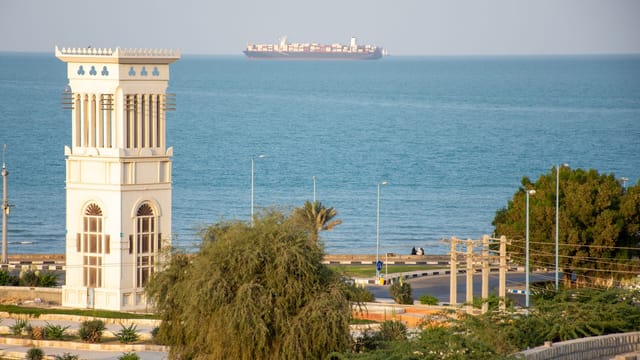
Tehran’s Gambit: The 14-Point Plan to Redraw the Persian Gulf
Tehran and Washington have reportedly drafted a 14-point memorandum that includes a U.S. military withdrawal and the reopening of the Strait of Hormuz. President Trump has signaled that a deal is nearly finalized, potentially marking a historic de-escalation in the Persian Gulf.

Tehran’s Double Chokehold: Iran Suspends US Talks and Threatens Global Energy Veins
Iran has halted all indirect negotiations with the U.S. in response to Israeli military escalations in Lebanon, shifting toward a strategy of blocking key global maritime trade routes. This escalation threatens global energy security and has revealed significant strategic disagreements between Washington and Jerusalem.

The $24 Billion Litmus Test: Tehran and Trump Tussle Over Frozen Billions
Iran has demanded the release of $24 billion in frozen assets as a precondition for breaking the current diplomatic deadlock with the United States. Senior official Mohsen Rezaei warned of a multi-front regional war if military hostilities resume, while simultaneously dismissing the possibility of a high-level summit between the two nations' leaders.
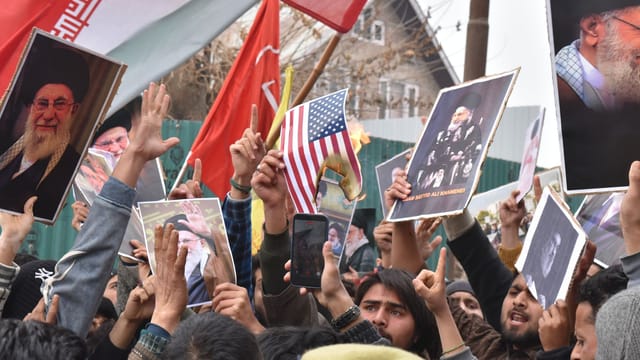
Brinkmanship in the Levant: Iran Flips the Table as Trump Reins in Netanyahu
Iran has suspended negotiations with the U.S. and launched military strikes in Kuwait after Israeli advances in Lebanon threatened Hezbollah's survival. The escalation has reportedly led to a rift between Donald Trump and Benjamin Netanyahu as Tehran demonstrates its ability to rapidly rebuild its missile infrastructure despite sustained airstrikes.
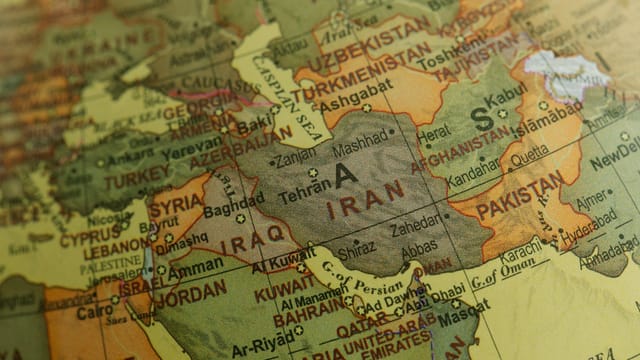
Tehran’s High-Stakes Gambit: Forcing Washington to Choose Between Israel and Regional Stability
Iran has frozen indirect negotiations with the United States, linking diplomatic progress to an immediate ceasefire in Lebanon. By leveraging its influence over global energy corridors and the 'Resistance Axis,' Tehran is forcing Washington to choose between its alliance with Israel and its desire for a broader Middle East settlement.
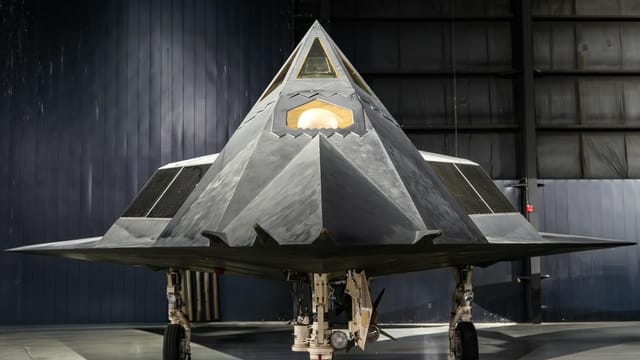
Washington Dusts Off the War Plans: The High Stakes of 'Operation Sledgehammer'
The U.S. Pentagon has drafted 'Operation Sledgehammer,' a comprehensive target list for potential strikes against Iranian nuclear and strategic infrastructure. While the plan aims to neutralize Tehran's core capabilities, intelligence experts warn that Iranian assets have become increasingly mobile and concealed, raising the difficulty of a successful military intervention.

The $24 Billion Standoff: Tehran and Washington Inch Toward a High-Stakes Financial Thaw
Iran and the United States are on the verge of a $24 billion deal to unfreeze Iranian assets through Qatari mediation. The agreement hinges on a phased release of funds, with Tehran demanding half of the amount upfront to mitigate the risk of U.S. non-compliance.
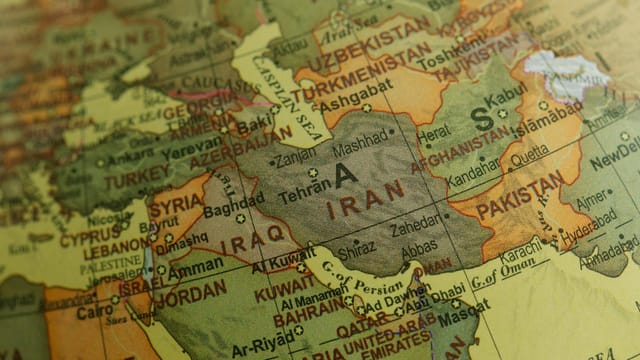
Tehran’s Dual-Track Brinkmanship: The ‘Trigger-Finger’ Diplomacy of 2026
Iran’s leadership has reaffirmed a dual-track strategy of maintaining military readiness while offering the U.S. a 'valuable opportunity' for negotiations. Senior advisor Mohsen Rezaee used the anniversary of the Battle of Khorramshahr to warn that military escalation would result in a collapse of the U.S. economy, framing Tehran's restraint as a strategic favor to Washington.
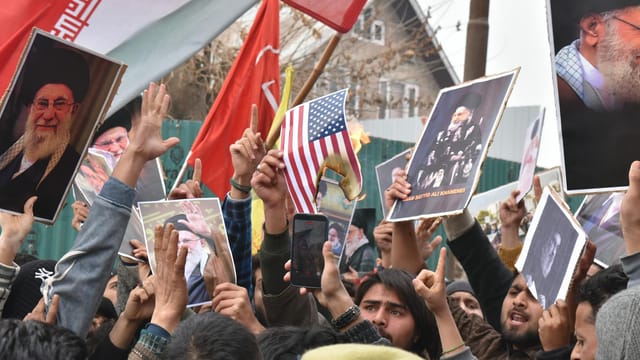
Tehran’s Midnight Diplomacy: Regional Powers Race to Halt Trump’s Imminent Strike
As a potential U.S. military strike looms, Pakistan's army chief and Qatari mediators have converged on Tehran for emergency talks. While Gulf states have successfully lobbied President Trump for a brief delay in hostilities, Iranian officials warn that a significant diplomatic gap remains between the two adversaries.
The Islamabad Conduit: Pakistan Emerges as Critical Intermediary in U.S.-Iran Back-Channel Talks
Pakistan has taken a central role in mediating indirect negotiations between Iran and the United States, facilitating an exchange of messages to prevent military escalation. While deep policy differences remain, both nations are utilizing Islamabad's military and diplomatic channels to establish a new framework for stability.
Washington Rebuffs Tehran’s ‘Grand Bargain’: Why the 14-Point Peace Plan Failed to Launch
The United States has formally rejected a 14-point peace proposal from Iran that sought to end regional hostilities before addressing nuclear concerns. This rejection highlights a fundamental disagreement over the sequencing of diplomacy, with Washington maintaining its hardline stance on Tehran's nuclear ambitions.

Stalemate in the Strait: Trump Rejects Iran’s Counter-Proposal as Conflict Risks Escalate
Tensions between the US and Iran have reached a fever pitch after President Trump rejected Tehran's latest diplomatic response as 'unacceptable.' While Iran outlines paths ranging from dignified negotiation to military conflict, the presence of European warships in the Strait of Hormuz adds a layer of international complexity to the standoff.