
# Middle%20East%20Geopolitics
Latest news and articles about Middle%20East%20Geopolitics
Total: 209 articles found
A Mirage of Peace: The Fragile US-Iran Accord and the Israeli Spoiler
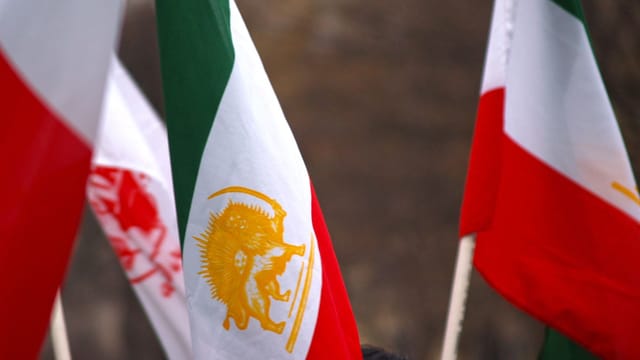
The US and Iran have reached a preliminary de-escalation agreement mediated by Pakistan and Qatar, though its implementation remains highly uncertain. While Washington seeks a pre-election diplomatic victory and Tehran seeks strategic breathing room, Israel's open defiance and maximalist demands from both sides threaten to turn the accord into a 'dead letter.'

Trump’s Grand Bargain: A US-Iran Detente Forces a Geopolitical Reckoning for Israel
The United States and Iran have finalized a landmark ceasefire memorandum to be signed in Geneva, including the reopening of the Strait of Hormuz and a $300 billion reconstruction plan. However, the deal has sparked a major rift with Israel, as Netanyahu’s government refuses to withdraw from Lebanon, leading to public friction between Trump and the Israeli leadership.
The Lebanon Disconnect: Israel Vows to Stay Despite Looming US-Iran Deal
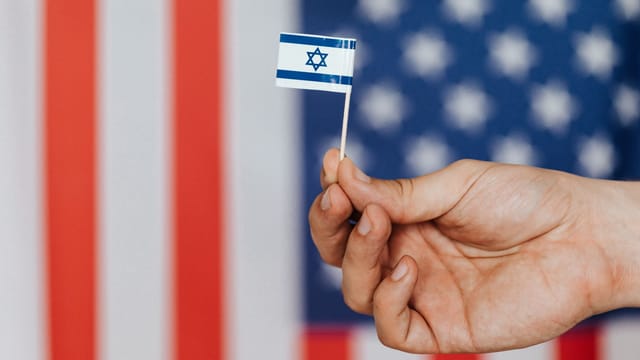
Prime Minister Netanyahu has informed President Trump that Israel will not be bound by any U.S.-Iran agreements concerning Lebanon. The IDF plans to maintain its military presence and continue operations against Hezbollah regardless of diplomatic shifts in Washington.
Shattered Alliances: The U.S.-Iran Breakthrough and Netanyahu’s Waning Influence
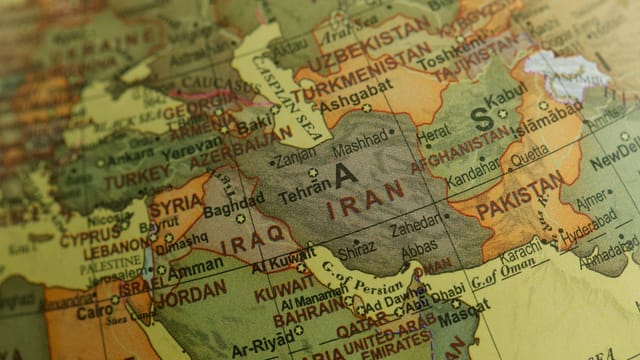
A landmark peace agreement between the United States and Iran has reportedly been finalized, bypassing strenuous objections from Israeli Prime Minister Benjamin Netanyahu. This diplomatic breakthrough signals a profound realignment in Middle Eastern geopolitics and a potential decline in Israel's influence over Washington's regional strategy.
The Art of the Tehran Deal: Trump Shifts from ‘Zero Enrichment’ to Transactional Realism
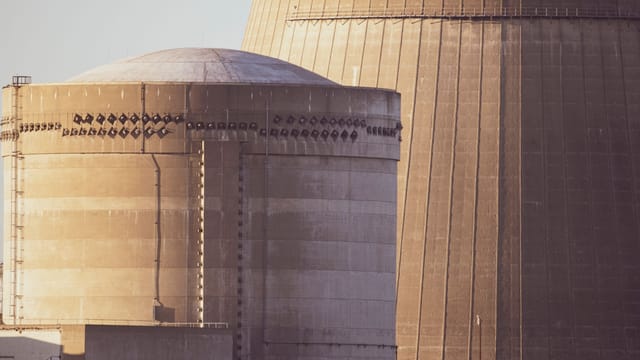
President Trump has signaled a major policy shift by dropping the demand for 'zero enrichment' in Iran, proposing instead a limited civilian nuclear program under strict, instantaneous inspections. The potential deal includes a controversial proposal for regional 'protection fees' and aims to secure the Strait of Hormuz, though both Tehran and Jerusalem remain wary.

Trump’s Fragile Peace: Israeli Strikes on Beirut Threaten a Looming Iran Deal
President Trump has criticized an Israeli airstrike on Beirut, claiming it jeopardizes a nearing peace agreement with Iran. The escalation highlights a growing divide between US diplomatic ambitions and Israel's military objectives against Hezbollah.
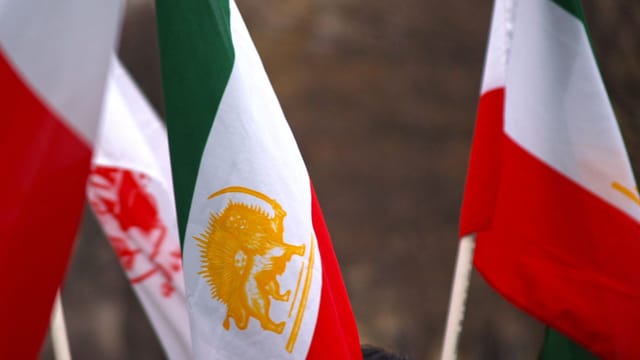
A Fragile Peace in the Persian Gulf: Iran and the U.S. Finalize the Islamabad Memorandum
Iran and the United States have reached a landmark agreement known as the Islamabad Memorandum, resulting in the immediate lifting of the U.S. naval blockade. The deal also calls for a permanent halt to military operations in Lebanon and other regional fronts, with a formal signing ceremony scheduled for June 19 in Switzerland.
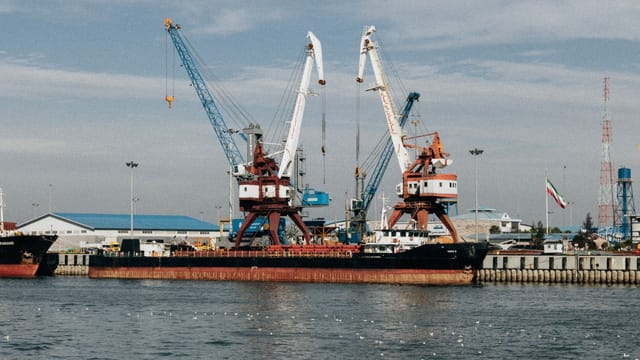
Tehran’s Two-Step: Inside the Draft Blueprint for a US-Iran Detente
Iranian Foreign Minister Abbas Araghchi has revealed a two-phase draft agreement with the U.S. involving a regional ceasefire, the unfreezing of assets, and a new fee-based management system for the Strait of Hormuz. The proposal prioritizes immediate stability and the lifting of maritime blockades while deferring complex nuclear negotiations to a later stage.
A Grand Bargain in the Gulf: Trump and Tehran Edge Toward a Historic De-escalation
The United States and Iran are on the verge of signing a landmark memorandum to end nuclear tensions and lift economic sanctions, with Pakistan acting as a key mediator. While Donald Trump expresses high confidence in the deal, Israel remains wary, signaling potential military action if the agreement fails to permanently neutralize the Iranian nuclear threat.
A Fragile Detente: Tehran and Washington Edge Toward a Two-Stage Grand Bargain
Iran and the United States are finalizing a two-stage Memorandum of Understanding aimed at ending regional hostilities and reopening the Strait of Hormuz. While U.S. officials express high confidence in a signing within days, critical disputes over the handling of Iran's nuclear stockpile remain deferred to a secondary phase of negotiations.
Trump’s Sudden Pivot: A Middle East Breakthrough Leaves Netanyahu in the Cold
President Trump has cancelled a military strike on Iran in favor of a surprise diplomatic breakthrough involving asset unfreezing and a maritime ceasefire. The move has reportedly blindsided Israeli Prime Minister Benjamin Netanyahu, highlighting a potential shift in the U.S.-Israel communication dynamic regarding regional security.

Netanyahu’s Defiant Re-election Bid: A Survivalist Strategy Amidst Waning Alliances
Benjamin Netanyahu has confirmed his intent to run for re-election despite significant domestic opposition and public skepticism from former U.S. President Donald Trump. His strategy involves delaying the vote to October 2026 in hopes of securing a diplomatic breakthrough and leveraging a potential high-profile endorsement from the United States.