
# Middle%20East%20Security
Latest news and articles about Middle%20East%20Security
Total: 143 articles found
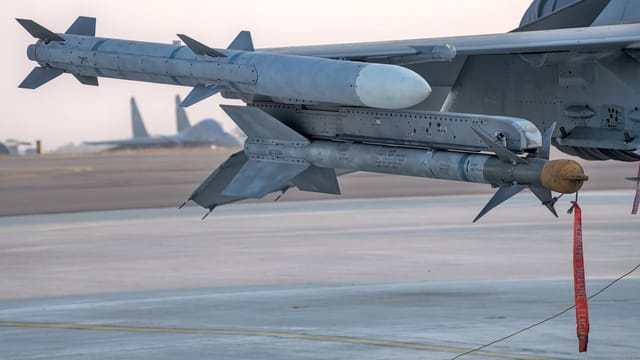
Jordan's Aerial Shield: Intercepting Iranian Volleys and the High Cost of Sovereignty
Jordanian forces intercepted 20 Iranian missiles over the Zarqa Governorate on June 11, 2026, successfully preventing damage to local infrastructure. The event highlights Jordan's firm stance on protecting its airspace sovereignty amid escalating regional hostilities involving Tehran.

Coercive Diplomacy at the Brink: Trump’s ‘Negotiation by Bombs’ Strategy Meets Iranian Defiance
The U.S. has launched significant military strikes against southern Iranian targets, described by the Trump administration as a tactic to force a diplomatic breakthrough. Iran has responded with vows of 'destructive' retaliation, while a months-long maritime blockade continues to inflict heavy economic and human losses on the region.
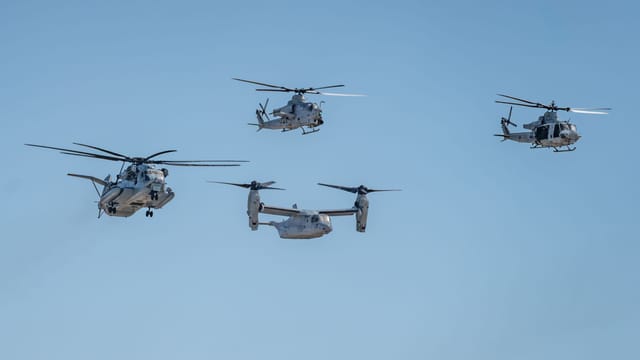
Shadow War in the Strait: The Downed Apache and the Rise of Asymmetric Air Defenses
A U.S. AH-64 Apache helicopter was downed in the Strait of Hormuz, prompting a massive U.S. retaliatory strike on 20 Iranian targets. The incident highlights the evolution of Iranian asymmetric warfare, featuring possible drone-on-drone interceptions and the first successful combat rescue by a U.S. unmanned vessel.
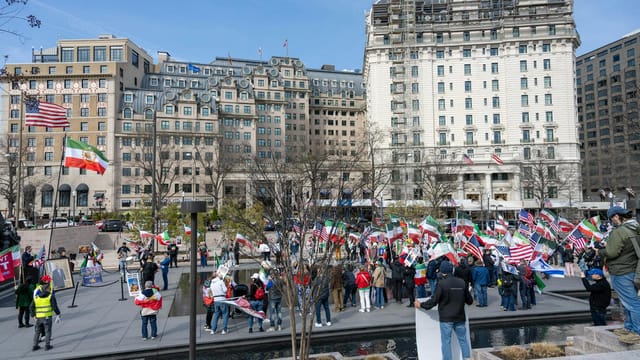
Tehran’s Gambit: Iran Threatens Regional Escalation as Diplomatic Deadlock Hardens
Tehran has intensified its threats against the United States, demanding the unfreezing of $24 billion and a shift in U.S.-Israel relations to avoid a wider regional conflict. Senior military advisor Mohsen Rezai warned that Iran is prepared to expand its military operations into the Indian Ocean and Mediterranean if diplomatic demands are not met.

The $24 Billion Litmus Test: Tehran and Trump Tussle Over Frozen Billions
Iran has demanded the release of $24 billion in frozen assets as a precondition for breaking the current diplomatic deadlock with the United States. Senior official Mohsen Rezaei warned of a multi-front regional war if military hostilities resume, while simultaneously dismissing the possibility of a high-level summit between the two nations' leaders.
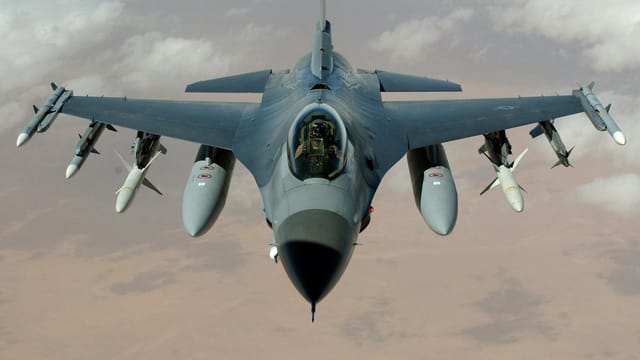
A Duel in the Gulf: US Thwarts Iranian Missile Barrage Amid Surging Regional Tensions
US forces successfully intercepted a series of Iranian missiles and drones targeting key military installations in Bahrain and Kuwait following alleged US strikes on Iran. While Tehran claims successful hits on the Fifth Fleet, Washington reports no damage or casualties, marking a sharp escalation in the direct military confrontation between the two powers.
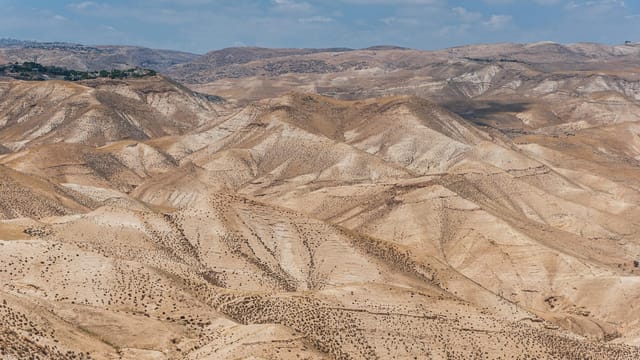
The Hawk Who Isn't Fierce Enough: Netanyahu’s Security Paradox in Northern Israel
Prime Minister Benjamin Netanyahu's support in northern Israel has collapsed to 23% as voters increasingly view his Lebanon policy as too weak. The shifting political landscape suggests the 2026 elections will be dominated by security concerns, potentially pushing the next government toward even more aggressive military stances.
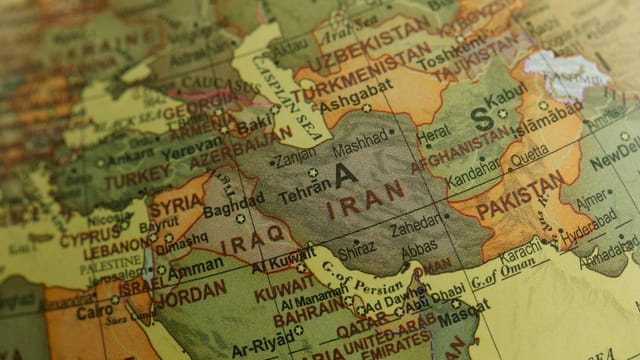
Israel’s Silent Encirclement: Mapping the Secret Bases Used to Strike Iran
Reports reveal a network of secret Israeli military outposts in Azerbaijan, Iraq, the UAE, and Somaliland used to facilitate strikes against Iran. This peripheral strategy includes a controversial 'recognition-for-basing' deal with Somaliland and high-tech deployments near the Iranian border.

Brinkmanship in the Strait: US Strikes and Iranian Retaliation Signal Sharp Escalation
The U.S. military has conducted airstrikes on Iranian radar stations following drone provocations, sparking a major retaliatory missile strike from Iran on U.S. bases in Kuwait and Bahrain. Tehran has further threatened to close the Strait of Hormuz, posing a catastrophic risk to global energy security.

Gaza’s Persistent Peril: Civilian Toll Rises Amid Renewed Urban Strikes
At least nine civilians, including women and children, were killed in Israeli airstrikes on residential buildings in Gaza City. The event underscores the ongoing humanitarian crisis and the high cost of urban warfare in the region.
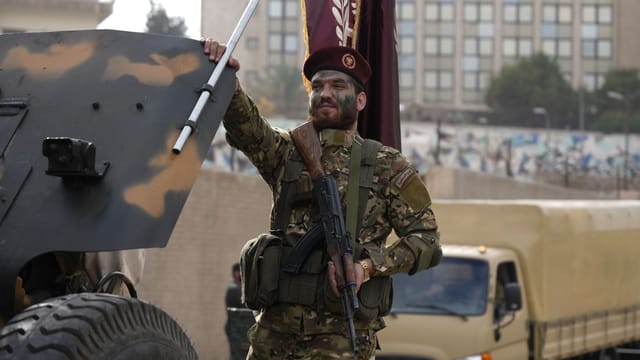
Tehran’s ‘Grassroots’ Arsenal: How Iran is Exploiting the U.S. Drawdown in the Gulf
Iran has utilized a recent ceasefire and a 40% reduction in U.S. regional troop levels to modernize its asymmetric arsenal. By focusing on low-cost stealth drones, high-speed sea vessels, and integrated missile tactics, Tehran has significantly altered the tactical balance of power in the Persian Gulf.
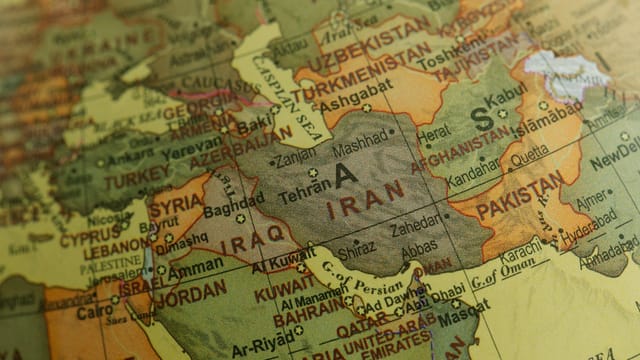
The Axis Tightens: Houthi Rhetoric Reinforces Iran’s Regional Shield
Yemen's Houthi rebels have issued a formal statement supporting Iran's right to defend its territory while criticizing Gulf nations for hosting US military bases. The group characterized Iran's military actions as essential for regional deterrence, specifically regarding the protection of Lebanon.