
# Urbanization
Latest news and articles about Urbanization
Total: 28 articles found
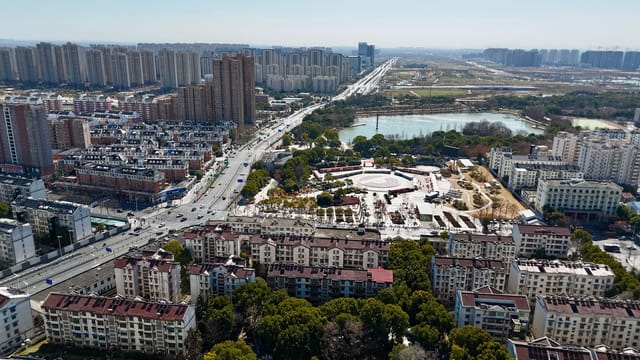
Beyond the Factory Floor: Hefei’s Stagnating Population Reveals the Limits of China’s Industrial Miracle
Hefei, China's celebrated high-tech hub, saw its population growth collapse to just 3,000 in 2025 despite maintaining double-digit industrial growth. The city is now facing a 'livability crisis' as it struggles to retain university graduates who favor the superior public services and lifestyle amenities of neighboring regional rivals.

The Mega-City Sprint: Five Chinese Hubs Duel for Demographic Preeminence
Five prominent Chinese cities are competing to reach the 10-million population milestone by 2030 to secure 'mega-city' status and infrastructure funding. As national birth rates decline, these hubs are increasingly reliant on aggressive migration policies and 'talent wars' to meet their demographic targets.

The Race for Density: China’s Second-Tier Giants Target the 10-Million Population Milestone
Major Chinese cities like Nanjing and Jinan are aggressively pursuing '10-million population' targets by 2030 to secure economic relevance amid national demographic decline. Through talent subsidies, manufacturing pivots, and cross-border rail expansion, these second-tier giants are competing to become regional gravity centers in a zero-sum game for human capital.
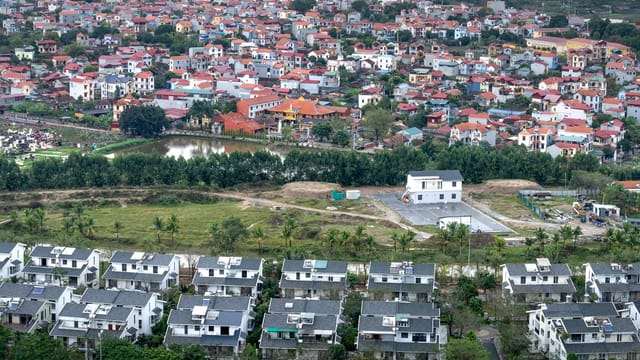
China’s Housing Provident Fund Overhaul: Modernizing Social Security for a Shifting Economy
China is overhauling its Housing Provident Fund to include gig workers and allow for more flexible uses like rent and renovations. The draft regulations emphasize regional portability and digital integration to better support a mobile workforce and a changing property market.
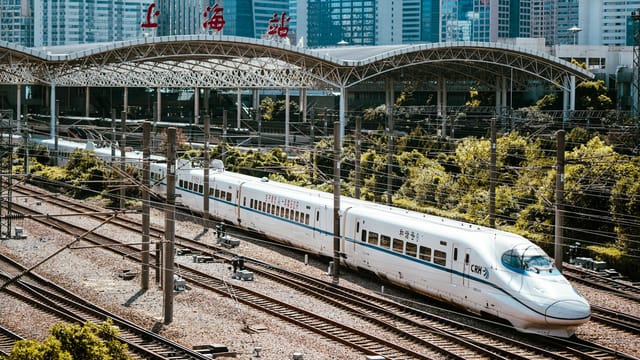
The Great Iron Divide: Why China is Doubling Down on High-Speed Rail for its Super-Hubs
China is entering a new phase of infrastructure development focused on building secondary high-speed rail lines between its ten largest megacities. While national rail standards have tightened due to debt concerns, these core economic hubs are receiving preferential investment to resolve capacity bottlenecks and enhance urban integration.
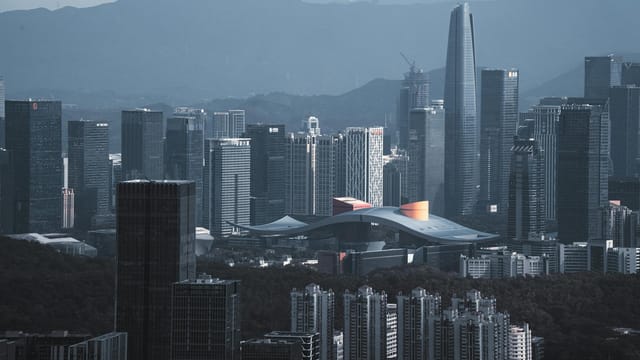
China’s Trillion-Yuan Hubs Defy Demographic Gravity as Migration Consolidates
While China’s national population continues to shrink, 21 major trillion-yuan GDP cities added 1.66 million residents in 2025, led by Shenzhen's massive growth. This trend highlights an increasing concentration of labor and talent in high-tech manufacturing hubs and strong provincial capitals, while mature mega-cities like Beijing face stagnation.
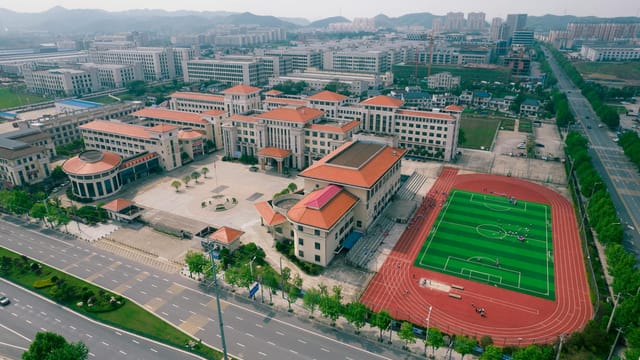
China Dismantles the Hukou Wall: A New Blueprint for Urban Integration
China has launched its first comprehensive national policy to decouple basic public services from the household registration (hukou) system. This reform aims to provide 250 million migrant residents with equal access to education, housing, and healthcare, serving as a critical move to boost domestic consumption and modernize the nation's urbanization model.

Mapping Memory: Shandong Moves to Halt the Erasure of China’s Ancient Place Names
Shandong Province has enacted a landmark regulation to prevent the arbitrary renaming of historic locations, addressing the cultural 'uprooting' caused by decades of rapid urbanization. This legislative shift reflects a broader national effort to preserve local identity and reduce the administrative costs associated with shifting nomenclature.

Dismantling the Invisible Wall: China Shifts to Residence-Based Public Services
China’s State Council has issued new guidelines to provide basic public services based on permanent residence rather than household registration (hukou). This reform aims to grant migrant workers equal access to education, housing, and healthcare to support an inclusive, consumption-driven urbanization model.
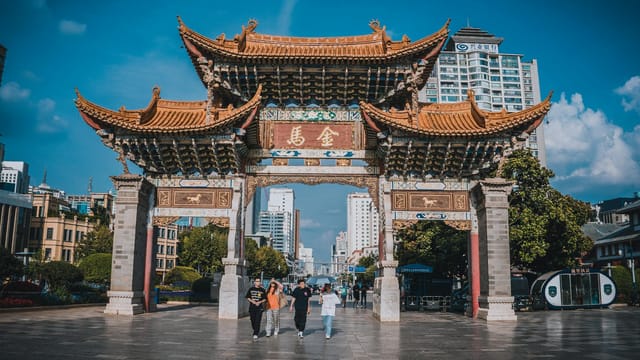
Chasing the Trillion-Yuan Dream: Kunming Struggles to Reclaim Its Status in Western China
Kunming is doubling down on its goal to reach a one-trillion-yuan GDP by 2030, despite significantly underperforming during the previous five-year planning period. The city is shifting its strategy toward advanced manufacturing and industrial chains to reverse its declining provincial economic share and join the ranks of China's top urban economies.
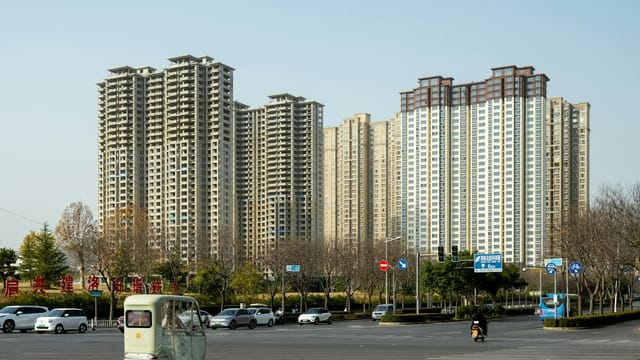
The Breadbasket Trap: Why China’s Demographic Giant is Losing the War for Talent
Henan province, China's most populous registered region, faces a severe labor drain due to its national mandate as a food security hub, which limits industrial growth. Despite efforts to pivot toward high-tech manufacturing, the lack of high-paying jobs continues to drive millions of young residents toward coastal economic engines like Guangdong and Zhejiang.
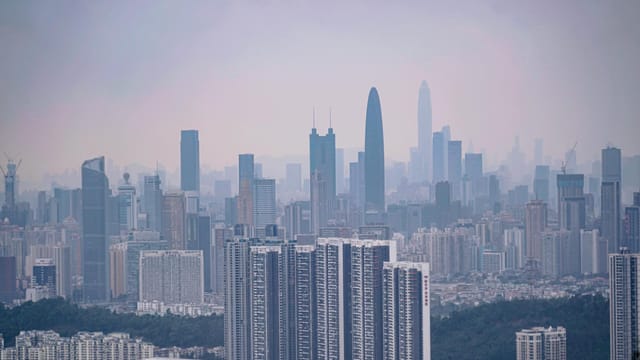
China’s Property Blitzkrieg: Can Policy Shock Therapy Resuscitate the Ailing Market?
Coordinated policy easing in China’s major cities led to a significant surge in property sales during the 2026 May Day holiday. While core urban areas are seeing a localized recovery, the broader market remains divided, signaling a permanent shift toward structural divergence rather than a nationwide boom.