
# escalation
Latest news and articles about escalation
Total: 105 articles found

Khamenei Reportedly Takes Direct Command as Tehran Signals Readiness for Wider Confrontation
A source says Iran’s Supreme Leader Ayatollah Ali Khamenei has entered an operational command room to oversee military operations, echoing his role during last year’s 12-day clash with Israel. His direct involvement concentrates decision-making at the regime’s apex and raises the risk of faster, coordinated responses by Iran and its proxies, complicating regional de-escalation efforts.
Air Raids Rock Tehran — Widespread Strikes Trigger Panic and Fresh Regional Fears
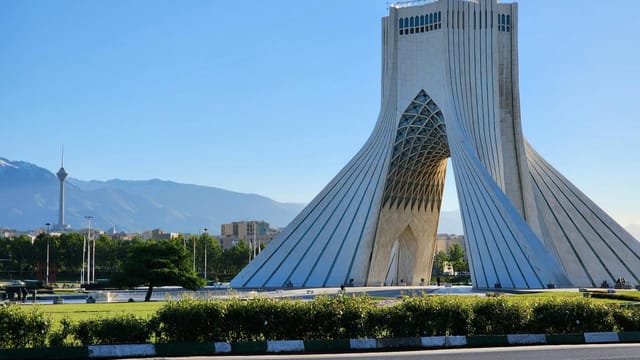
A surprise series of US–Israeli airstrikes struck Tehran on the morning of Feb. 28, provoking widespread panic, school evacuations and communications difficulties. The operation — broader than previous strikes — targeted security and state-linked sites and was accompanied by a US presidential appeal urging Iranians to rise against their government, raising the stakes for regional escalation.

Tehran Appeals to UN After US–Israel Strikes, Warning of Full Responsibility for Any Escalation
Iran's foreign minister wrote to the UN on February 28 protesting recent US and Israeli strikes, demanding that both states bear full responsibility for any consequences including escalation. The letter is a diplomatic attempt to frame the attacks as illegal and to build a political record, even as the Security Council is unlikely to take decisive action.

Sirens Over Tel Aviv: Civilians Seek Shelter in Metro as Nationwide Air‑Raid Alerts Sound
On February 28, Israel’s Home Front Command ordered civilians into shelters as air‑raid sirens sounded across multiple locations, with Xinhua photographs showing people sheltering in a Tel Aviv subway station. The event highlights the direct impact of hostilities on urban life, strains on civil‑defense systems and broader implications for regional stability and escalation risks.
UN Urges Restraint as Israel, US and Iran Exchange Strikes, Raising Risk of Wider War
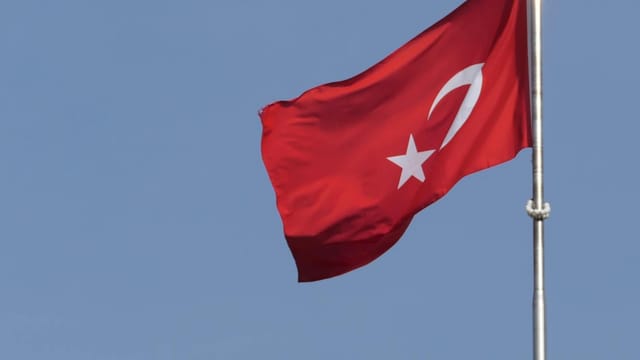
The UN's human rights chief, Volker Türk, condemned recent strikes involving Israel, the United States and Iran and urged all sides to return to negotiations to avoid civilian suffering. The exchanges mark a dangerous escalation with potential ripple effects for regional stability, maritime security and global energy markets.

Netanyahu Confirms U.S.–Israel Strike on Iran as Tehran Fires Back, Raising Risk of Wider War
Prime Minister Benjamin Netanyahu confirmed that Israel and the United States carried out a joint strike on Iran on Feb. 28, an action Israeli officials described as pre-emptive. Iran responded by launching missiles toward Israel, marking a dangerous escalation that raises the risk of wider regional conflict and greater American entanglement.

Trump Signals Imminent ‘Major Decision’ on Iran as U.S. Military Posture Tightens
President Trump warned on February 27 that he must make a "major decision" on Iran, expressing frustration with stalled nuclear talks and repeatedly keeping military force on the table. The comments coincided with renewed U.S. military deployments to the Middle East, evacuation orders from Israel, and travel advisories — moves that have heightened the risk of confrontation.

U.S. Aides Said to Prefer an Israeli Strike on Iran to Create Political Cover for American Action
U.S. media reported that some senior Trump advisers privately preferred Israel strike Iran first so Iranian retaliation would create public support for a subsequent U.S. response. The White House offered a guarded denial, Israel declined comment, and Iran's senior negotiator stressed ongoing diplomatic engagement even as tensions rise.
Senior U.S. Aides Said to Have Urged Israel to Strike Iran First to Create a Pretext for American Action
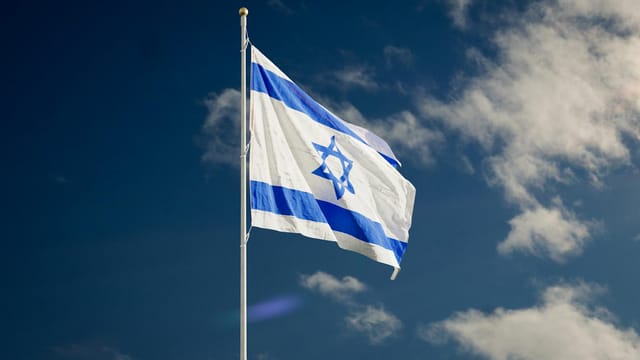
A Politico exclusive reported that senior advisers to President Trump privately preferred Israel to strike Iran first, hoping Iranian retaliation would create public support in the U.S. for follow-on American military action. The White House declined to confirm the claim, while the disclosure underscores how domestic political calculations are shaping high-stakes diplomacy and raising the risk of unintended escalation.
US Warplanes Mass Near Iran as Diplomatic Talks Stall — A Wider China–Russia Test Looms
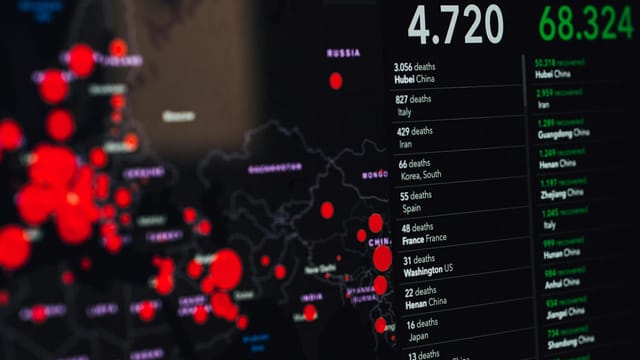
US deployments of A-10s, F-15Es and supporting assets to the Middle East have intensified after stalled Oman talks with Iran, signalling a retained option for military action. Tehran's consultations with China and Russia, combined with Israeli pressure and US economic tightening, raise the risk of broader regional and geopolitical escalation rather than a contained strike.

Double Carrier in the Gulf: Washington’s Show of Force to Pressure Iran — and a Risky Gamble on Readiness
The U.S. has ordered the USS Gerald R. Ford carrier strike group to the Middle East to join the USS Abraham Lincoln, a move intended to increase pressure on Iran during negotiations and to demonstrate the Ford’s operational readiness. While the double‑carrier presence expands U.S. airpower and deterrent signalling, it also raises regional tensions and the risk of miscalculation.
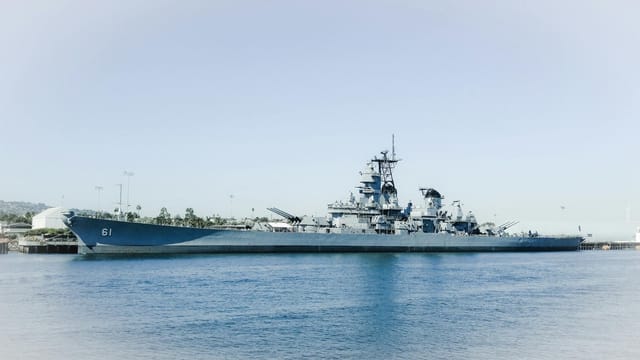
Second U.S. Carrier Headed to the Gulf as Geneva Talks with Iran Bring Coercion and Diplomacy into Sharp Relief
The U.S. is sending the USS Gerald R. Ford carrier strike group to the Middle East while U.S. envoys prepare indirect talks with Iran in Geneva on February 17. Washington seeks far‑reaching curbs on Iran’s nuclear and missile programs, while Tehran insists on its right to defensive capabilities, leaving a narrow path for agreement amid heightened military posturing.