
Business & IndustryAnalysis
China Reports 2026 Early Rice Output of 28.29 Million Tonnes, Down 0.8%
Sown acreage saw a slight increase to 4.74 million hectares, while lower per-unit yields trimmed overall production.
Share
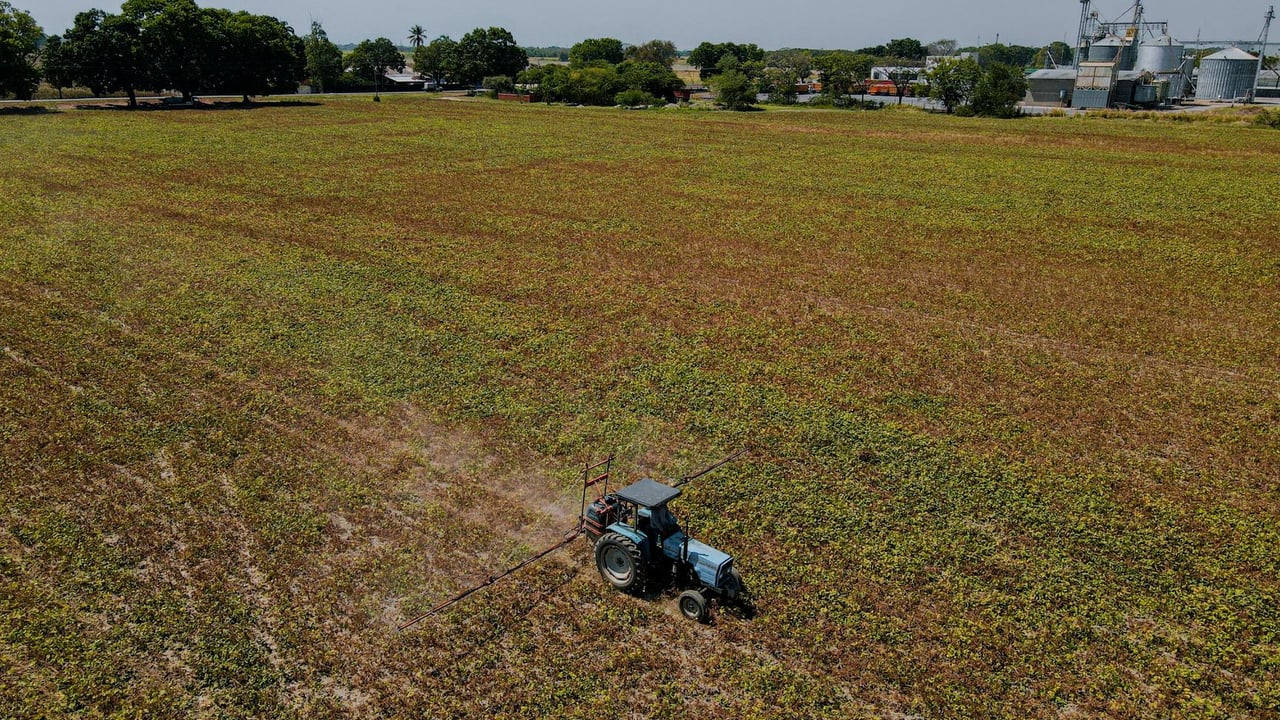
Photo by Fuka jaz on Pexels
The Brief
China produced 28.292 million tonnes of early rice in 2026, a 0.8 percent decrease of 222,000 tonnes compared to 2025, according to official data released by the National Bureau of Statistics. While total sown area expanded marginally by 1.4 thousand hectares to reach 4.744 million hectares, per-unit yield declined by 0.8 percent to 5,963.4 kilograms per hectare. The figures were calculated using sample surveys and direct field measurements across more than 200 surveyed counties nationwide.
Why it matters
Early rice represents the first major staple grain harvest of the year in China. Its performance serves as an important barometer for national food security, domestic grain supply stability, and market price expectations heading into the autumn harvest.
China context
Maintaining stable acreage and output above 28 million tonnes supports Beijing's broader strategic mandate of absolute staple food self-sufficiency. Achieving consistent yields in southern paddy basins remains a priority as agricultural authorities navigate seasonal climate pressures and work to protect farmer planting incentives.
Editor's View
EDITOR'S VIEW — Analysis and inference, not factual reporting.
The slight dip in early rice output reflects a marginal decline in per-unit productivity rather than a contraction in acreage, which actually expanded slightly year on year. The publication of detailed field-level sampling methodologies underscores Beijing's ongoing effort to demonstrate rigorous statistical accuracy in its core agricultural reporting.
What to watch
- Growing conditions and weather disaster mitigation measures for middle-to-late rice and broader autumn grain crops.
- Early rice procurement pricing trends and their effect on grain farmers' planting incomes.
Key Takeaways
- 1Early rice output reached 28.292 million tonnes in 2026, down 0.8 percent (222,000 tonnes) year on year.
- 2Total sown area expanded slightly to 4.7443 million hectares, an increase of 1.4 thousand hectares compared to 2025.
- 3Average yield per hectare dropped by 0.8 percent to 5,963.4 kilograms per hectare.
- 4Data was compiled through sample surveys and direct cut-and-measure harvesting across more than 200 counties and 20,000 sub-plots.
China's national early rice output reached 28.292 million tonnes in 2026, marking a slight decrease of 0.8 percent, or 222,000 tonnes, compared to the previous year, according to data released on August 21 by the National Bureau of Statistics.
The decline in total production was driven by a lower per-unit yield, which fell by 0.8 percent, or 48.5 kilograms per hectare, to 5,963.4 kilograms per hectare. Sown acreage, however, remained resilient. Total sown area for early rice expanded by 1.4 thousand hectares to reach 4.7443 million hectares, representing a marginal increase over 2025 levels.
According to the statistics bureau and state media reports, the early rice figures were derived from stratified provincial sample surveys. The agency's provincial survey corps conducted investigations across more than 200 selected national survey counties and cities, combining area sampling with direct cut-and-measure field assessments.
To determine acreage, statistical teams surveyed more than 3,000 sample plots to estimate provincial sown areas. For per-unit yield measurements, surveyors sampled nearly 7,000 yield-testing plots and more than 20,000 smaller sub-plots across the country.
The yield determination process relies on a direct measurement protocol under China's agricultural reporting system. Field investigators conduct pre-harvest plot evaluations, mark selected survey sites, and carry out physical harvesting during the harvest window. Survey teams then perform threshing, drying, moisture testing, impurity screening, and weighing to calculate accurate plot yields before provincial survey corps aggregate the data to establish provincial averages.
Total national output is calculated by multiplying the survey-derived sown acreage by the estimated per-unit yield. The stable planting acreage highlights ongoing efforts to secure foundational grain capacity, even as seasonal weather patterns influence per-hectare productivity in southern rice-producing provinces.
Sources
- Com — China News Service · 8/21/2026
- var title1 = '国家统计局关于2026年早稻产量数据的公告'; var title2 = ''; var title3 = ''; if (title1.length > 0 && title2.length > 0 && title3.length > 0) { document.write( '国家统计局关于2026年早稻产量数据的公告</br></br>' ); } else if (title1.length > 0 && title2.length > 0) { document.write( '国家统计局关于2026年早稻产量数据的公告</br>' ); } else { document.write('国家统计局关于2026年早稻产量数据的公告'); } — National Bureau of Statistics · 8/21/2026
- News — Xinhua News Agency · 8/21/2026