
Business & IndustryAnalysis
China-Europe Freight Trains Reach 130,000 Trips Across Decade of Brand Growth
The China-Europe Railway Express hits a key operational milestone as official reports highlight ten years of standardized transcontinental rail operations.
Share
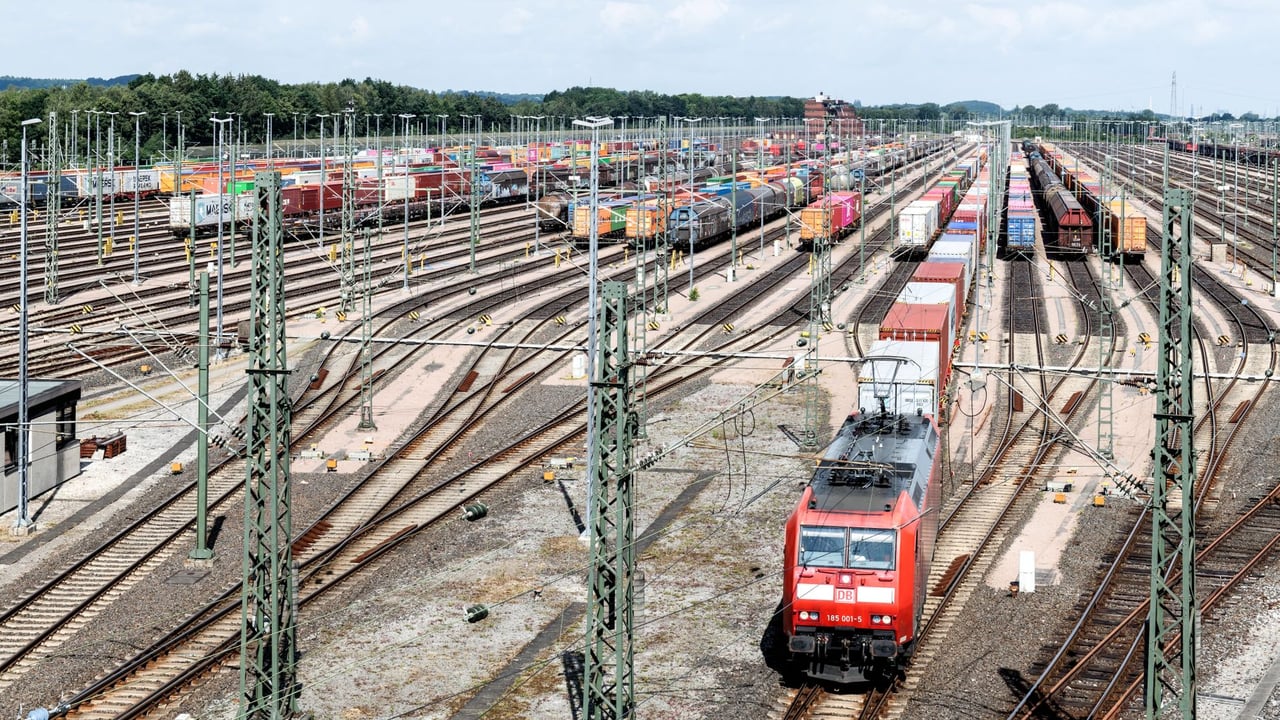
Photo by Wolfgang Weiser on Pexels
The Brief
Cumulative operational runs of the China-Europe Railway Express have reached 130,000 trips, according to a report by People's Daily. The rail network serves as a flagship project under China's Belt and Road Initiative. Following the formal unification of the service brand by state operator China Railway on June 8, 2016, official sources attribute the network's steady growth over the past decade to continuous improvements in system efficiency, transport scale, service structure, and tangible trade delivery across Eurasia.
Why it matters
As a primary overland transport backbone connecting Asia and Europe, the standardization and expanding capacity of the China-Europe Railway Express are strategic to bolstering international supply chain resilience and supporting trade flow across participating economies.
China context
State rail operators and government bodies have used unified branding and standardized operational rules to drive the Belt and Road Initiative forward, using freight performance metrics to showcase China's ongoing economic opening and high-quality infrastructure development.
Editor's View
EDITOR'S VIEW — Analysis and inference, not factual reporting.
Reaching 130,000 trips underscores China's commitment to building reliable overland trade corridors as alternatives to maritime shipping routes. However, long-term operational success will depend heavily on optimizing return-trip cargo volumes, managing transit costs, and maintaining smooth border-crossing protocols amid evolving international trade environments.
What to watch
- Subsequent official disclosures regarding detailed cargo valuations and container return-trip utilization rates.
- Policy updates on customs clearance facilitation and land-port infrastructure upgrades.
- Strategic expansions in multi-modal rail-sea routes linking Chinese industrial centers with European trade hubs.
Key Takeaways
- 1Cumulative trips by the China-Europe Railway Express have reached 130,000, according to People's Daily.
- 2China Railway established the unified service brand on June 8, 2016, standardizing regional rail services.
- 3Official reports outline four trends guiding the network: improving efficiency, expanding scale, optimizing quality, and delivering practical outcomes.
Cumulative runs of the China-Europe Railway Express have reached the 130,000-trip milestone, according to a report published by People's Daily. The operational figure reflects the ongoing expansion of China's primary overland freight network, which connects domestic manufacturing centers with commercial destinations across Eurasia.
Positioned as a flagship project and signature brand under the Belt and Road Initiative, the freight network was created to streamline cross-border land commerce. A key operational juncture occurred on June 8, 2016, when national rail operator China Railway officially established the unified China-Europe Railway Express brand identity. This initiative standardized service naming, operational protocols, and branding across various regional rail routes that had previously operated under disparate regional platforms.
Over the decade following the brand's formal unification, Chinese state media reports that the network's development has maintained a steady upward trajectory. Official evaluations characterize this growth through four primary operational trends: improving system efficiency, expanding transport capacity, optimizing service quality, and generating practical commercial outcomes for participating regions along the route.
As an overland supply chain corridor, the railway network functions as an alternative to long-haul ocean shipping and high-cost air freight. The standardization of operations has supported broader efforts to enhance international logistical resilience, improve customs clearance procedures at land ports, and facilitate trade flows between China, Central Asia, and European logistics hubs.
Maintaining this operational momentum remains central to China's trade policy objectives. Future developments will likely focus on addressing structural logistics bottlenecks, improving return-trip cargo utilization, and coordinating intermodal transport links to ensure the rail corridor remains competitive against alternative global trade routes.
Sources
- 13万列!中欧班列开行规模稳步向上--经济·科技--人民网 — People's Daily · 8/1/2026