
Policy & RegulationAnalysis
China Reports 4.7% First-Half GDP Growth as 15th Five-Year Plan Begins
Beijing emphasizes internal resilience, green energy infrastructure, and high-tech manufacturing to navigate external volatility.
Share
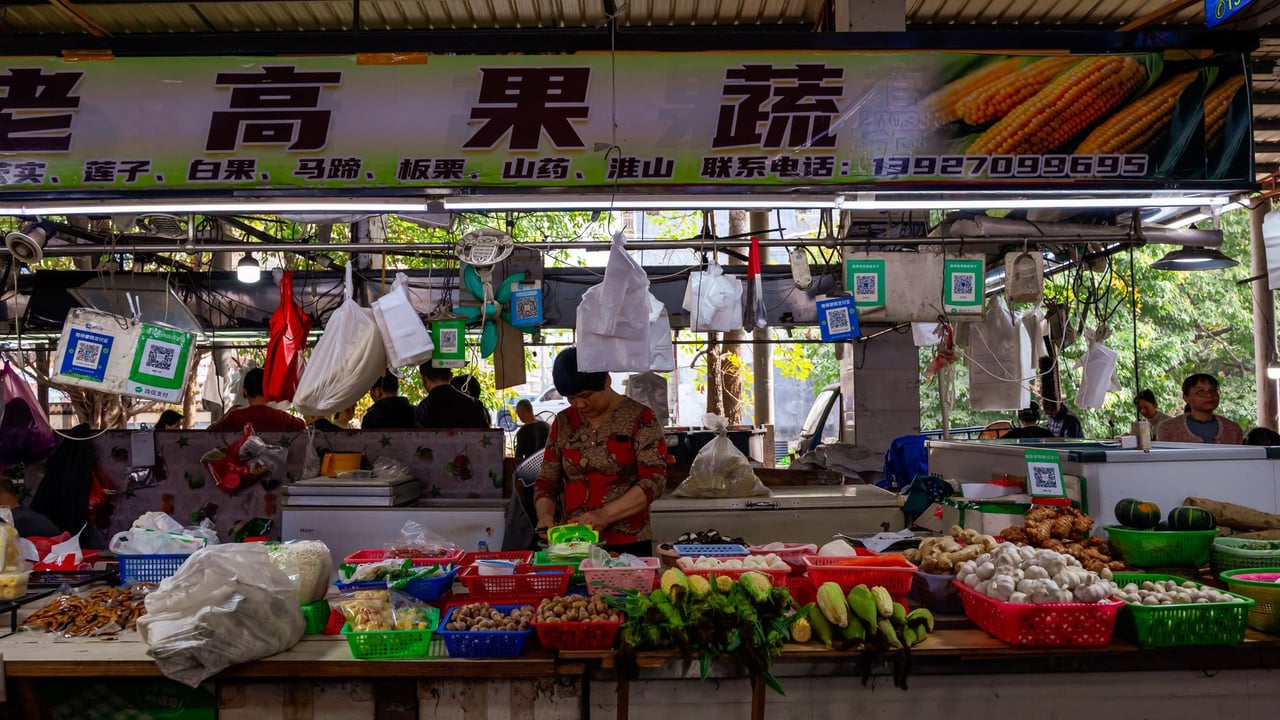
Photo by Da Na on Pexels
The Brief
China achieved a 4.7% year-on-year expansion in gross domestic product during the first half of the year, establishing the baseline for its 15th Five-Year Plan period. State media coverage highlighted momentum in high-tech exports, including a 120% surge in new energy vehicle exports, alongside renewable energy development. Policymakers emphasized a strategy of building internal capacity and aligning local official performance evaluations with high-quality economic targets to counter global trade and geopolitical uncertainties.
Why it matters
The first-half economic performance demonstrates Beijing's strategic intent to rely on state-directed industrial upgrading, clean energy infrastructure, and advanced manufacturing to buffer against external demand shocks and trade friction.
China context
The central government's focus on 'practicing a correct view of political performance' reflects ongoing efforts to steer local officials away from short-term debt-fueled stimulus and toward structural goals embedded in national development blueprints. By linking official evaluation to the 15th Five-Year Plan's key indicators and 109 major projects, Beijing aims to enforce policy discipline across provincial administrations.
Editor's View
EDITOR'S VIEW — Analysis and inference, not factual reporting.
While official statistics showcase strong export numbers for new energy vehicles and expansion in green power infrastructure, maintaining this growth trajectory will require sustained domestic demand and management of escalating foreign trade barriers. The emphasis on internal resilience highlights Beijing's awareness of ongoing external risks, making execution across the 109 central strategic projects critical for medium-term momentum.
What to watch
- Implementation progress on the 109 major engineering projects outlined in the 15th Five-Year Plan.
- Export trajectories for new energy vehicles and high-tech goods amid shifting global trade measures.
- Full-year macroeconomic indicators against official annual economic growth targets.
Key Takeaways
- 1China's GDP grew 4.7% year-on-year in the first half of the year as the 15th Five-Year Plan period commenced.
- 2New energy vehicle (NEV) exports reached 2.355 million units in H1, a 120% year-on-year increase.
- 3Total installed power generation capacity reached approximately 4.04 billion kW by the end of June.
- 4The 15th Five-Year Plan sets 20 core indicators, 16 strategic tasks, and 109 major engineering projects.
China recorded a 4.7% year-on-year expansion in gross domestic product during the first half of the year, backed by expanding high-tech exports and renewable energy expansion, according to reports published by official state media outlets including People's Daily and the State Council portal. The macroeconomic performance marks the initial trajectory under the country's 15th Five-Year Plan framework, which prioritizes high-quality development and internal capability building to mitigate external economic volatility.
During a July 30 meeting, the Communist Party's Politburo stated that the national economy is exhibiting new growth momentum and an improving structural balance. Beijing has continued to push for industrial upgrades and technological self-reliance to navigate ongoing geopolitical tensions and global energy price fluctuations. Official commentary emphasized a strategic focus on strengthening internal capacity to insulate domestic development from rising international uncertainties.
In the clean energy sector, China's total installed power generation capacity reached approximately 4.04 billion kilowatts by the end of June, maintaining its position as the largest globally. State energy infrastructure projects, including China Huaneng's deep-water offshore wind development in the northern Yellow Sea, helped satisfy domestic energy demand while raising the share of clean energy in state enterprise portfolios above 50 percent.
Automobile manufacturing and exports also served as key drivers of growth during the six-month period. Chinese shipments of new energy vehicles reached 2.355 million units in the first half of the year, representing a 120% increase compared to the same period in the prior year. State media cited strong performance across foreign markets, noting shifts in international manufacturing strategies toward domestic research and regional production models.
Policy execution remains anchored in the 15th Five-Year Plan framework, which establishes 20 key development indicators, 16 major strategic tasks, and 109 major engineering projects. Regional governments across 31 provinces have begun aligning local development blueprints with national objectives. Concurrently, a party-wide educational initiative focused on establishing sound political performance metrics is underway to ensure local officials align governance priorities with long-term high-quality development rather than short-term numerical growth targets.
Sources
- 习近平总书记引领“十五五”开局之年中国经济破浪前行 — State Council of China · 8/3/2026
- 为实现全年发展目标任务夯实基础 --时政--人民网 — People's Daily · 8/3/2026