
Policy & RegulationAnalysis
China Implements National Standard for Multimodal Freight Documentation
The new guidelines standardize document flows across rail, road, sea, and air transport to advance the single-waybill logistics model.
Share
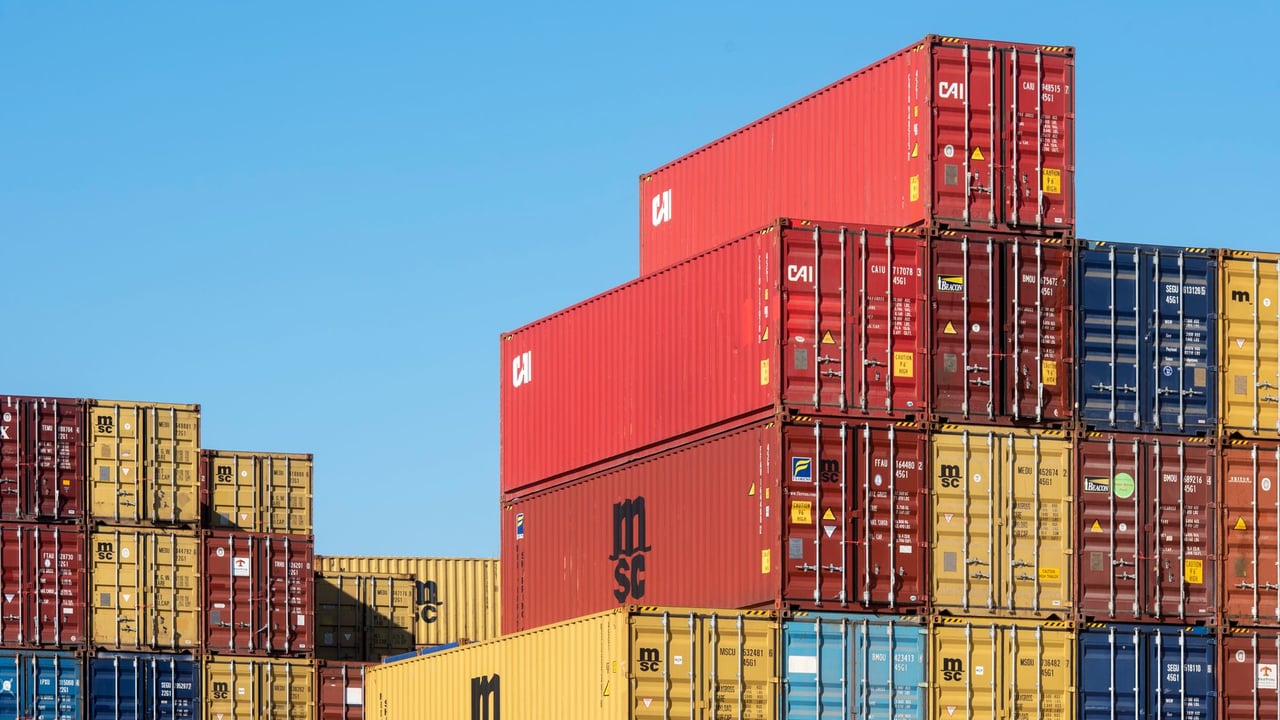
Photo by Jan van der Wolf on Pexels
The Brief
China has officially implemented a national standard for multimodal transport documentation business processes (GB/T 47421—2026), according to a report by People's Daily. The standard establishes operational guidelines for operators, carriers, shippers, and consignees across domestic and international transport routes. Covering road-rail, rail-water, and air-land freight modes, the framework is designed to facilitate document circulation throughout the logistics chain and accelerate adoption of the country's "single document" transport system.
Why it matters
Standardizing document workflows across disparate transport modes addresses a longstanding operational bottleneck in multimodal freight. By clarifying rules for booking, transshipment, customs clearance, and cargo handover, the standard lays technical groundwork for seamless single-waybill operations and lower systemic logistics costs.
China context
Promoting a unified "single document" (yidan zhi) system has been a policy priority in Beijing's broader campaign to restructure national transport networks and reduce overall logistics costs across the real economy. The release of GB/T 47421—2026 marks a shift from regional pilots toward standardized nationwide execution.
Editor's View
EDITOR'S VIEW — Analysis and inference, not factual reporting.
While unifying procedural standards is an essential step, the practical impact will depend heavily on digital systems integration among state-owned rail operators, regional ports, and private freight forwarders. True single-waybill operations also require broader acceptance of electronic multimodal bills of lading by financial institutions and customs authorities.
What to watch
- Adoption and system compatibility progress across major seaports, rail terminals, and air cargo hubs.
- Commercial uptake of electronic bills of lading and related trade finance services under the new standard.
- Coordination with international customs authorities regarding cross-border clearance and sealing protocols.
Key Takeaways
- 1China implemented national standard GB/T 47421—2026 for multimodal transport documentation processes.
- 2The standard covers road-rail, rail-water, and air-land transport modes for domestic and international cargo.
- 3It clarifies operational responsibilities for operators, carriers, shippers, and consignees during booking, transfer, customs, and delivery.
- 4Special provisions are established for international customs sealing and cross-border clearance procedures.
China has officially implemented a comprehensive national standard governing business processes for multimodal transport documentation, state-run People's Daily reported. Designated as GB/T 47421—2026, the standard provides unified operational guidance to support the circulation of freight documentation across the entire logistics chain and advance the "single document" service model.
According to the standard, the guidelines encompass both domestic and international multimodal freight operations. They specifically target the country's three primary containerized and unitized cargo transport modes: road-rail, rail-water, and air-land combined transport.
The framework outlines operational rules and responsibilities for all principal stakeholders involved in multimodal shipments, including multimodal transport operators, segment carriers, consignors, and consignees. Key workflow stages covered by the standard include cargo booking, hub transshipment, customs declaration, and final delivery.
For international logistics corridors, the standard introduces specific procedural requirements for cross-border clearance and customs seal verification. These provisions aim to streamline document verification across different regulatory and transport jurisdictions.
The introduction of standardized document workflows is part of a wider effort by Chinese transport authorities to transition away from fragmented, mode-specific documentation. Under traditional logistics models, shippers often manage separate contracts and paperwork for rail, maritime, and trucking legs, increasing administrative friction and transit times. By standardizing end-to-end data exchange and operational handovers, policymakers intend to expand the coverage of single-waybill services and lower logistics costs across supply chains.
Sources
- 多式联运国家标准持续完善 --经济·科技--人民网 — People's Daily · 8/20/2026