
Business & IndustryAnalysis
China Expands Nuclear Industrial Steam Projects to Decarbonize Chemical Bases
Nuclear-powered industrial steam expands from pilot pipelines to multi-reactor coupling projects as petrochemical hubs seek fossil-free thermal energy.
Share
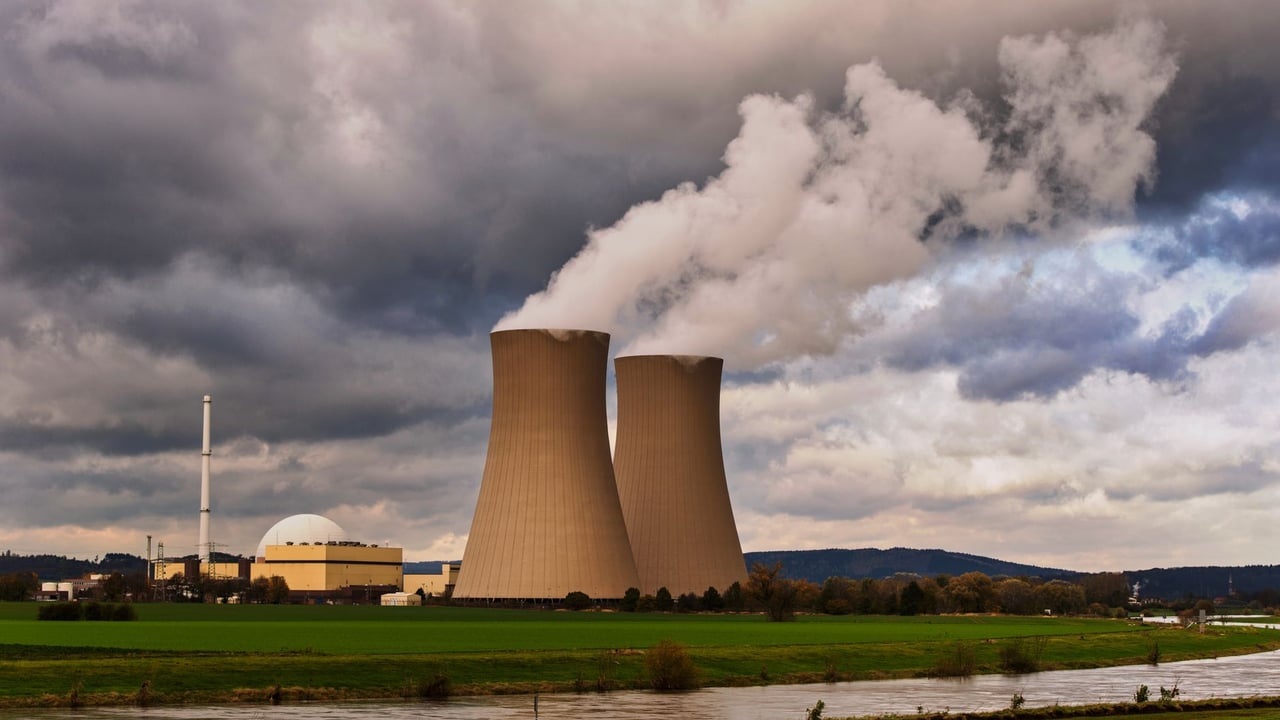
Photo by Wolfgang Weiser on Pexels
The Brief
China is accelerating the use of nuclear power to provide high-temperature industrial steam for heavy industries, led by commercial operations at the Tianwan nuclear power base and ongoing construction of a multi-reactor coupling plant in Jiangsu province. According to state media reports, the Heqi No. 1 demonstration project has delivered more than 4.9 million metric tons of steam, while upcoming facilities integrate pressurized water and high-temperature gas-cooled reactors to supply high-grade heat. The initiative reflects Beijing's policy push to slash emissions in petrochemical clusters heavily dependent on coal boilers.
Why it matters
Industrial steam is the lifeblood of continuous process manufacturing, particularly refining and basic petrochemicals. Replacing coal and gas boilers with nuclear-generated steam directly tackles hard-to-abate industrial process heat, offering a viable blueprint for deep industrial decarbonization while reducing the carbon intensity of export-bound chemical products.
China context
The deployment aligns with national guidance under the upcoming 15th Five-Year Plan framework and the 2026–2028 energy sector carbon reduction plan, both of which explicitly endorse nuclear coupling with petrochemical parks. China is using existing coastal nuclear bases in Jiangsu, Hainan, and Fujian as thermal hubs for adjacent industrial clusters.
Editor's View
EDITOR'S VIEW — Analysis and inference, not factual reporting.
While supplying district heating from nuclear plants is already proven in northern China, piping high-pressure industrial steam to commercial chemical parks introduces stricter requirements for thermal stability, contaminant isolation, and grid-heat co-generation balancing. The pairing of Hualong One reactors with high-temperature gas-cooled reactors at Xuwei demonstrates technical ambition, yet broad economic competitiveness will ultimately depend on multi-barrier infrastructure costs and long-distance thermal insulation economics relative to fluctuating natural gas and coal prices.
What to watch
- Construction milestones and initial hot-testing timelines for the Xuwei dual-reactor coupling project in Jiangsu.
- International recognition of China's newly published nuclear steam carbon footprint accounting standards under border adjustment frameworks.
- Formal project approval and investment decisions for follow-up nuclear steam ventures at Fuqing and Zhangzhou.
Key Takeaways
- 1The Heqi No. 1 demonstration project in Jiangsu has logged over 13,000 hours and delivered over 4.9 million metric tons of nuclear steam across 23.36 kilometers.
- 2The upcoming Xuwei plant pairs two Hualong One reactors with a high-temperature gas-cooled reactor, aiming to supply more than 35 million metric tons of steam annually.
- 3Decarbonization policies across the 2026–2028 timeframe prioritize nuclear-petrochemical coupling across coastal industrial zones.
- 4Domestic carbon accounting calculates nuclear steam footprint at 1/600th of coal-fired combined heat and power systems.
China is expanding the use of nuclear energy beyond electricity generation into heavy industrial heat, targeting one of the petrochemical sector's primary sources of greenhouse gas emissions. According to a report by People's Daily, demonstration projects and large-scale industrial steam facilities are gaining operational traction across eastern and southern coastal manufacturing hubs.
At the Tianwan nuclear power base in Lianyungang, Jiangsu province, the "Heqi No. 1" demonstration facility has operated continuously for more than 13,000 hours, cumulatively supplying over 4.9 million metric tons of industrial steam. The system extracts heat adjacent to Units 3 and 4, sending steam at 248 degrees Celsius and 1.8 megapascals through a 23.36-kilometer super-insulated pipeline to a nearby petrochemical industrial park. According to project operators, multi-loop physical barriers isolate the secondary reactor coolant from industrial heat carriers, while specialized insulation keeps thermal losses below 1 degree Celsius per kilometer over the entire transit distance.
Building on this pilot, construction is advancing on the Jiangsu Xuwei nuclear heating and power plant, described as the first large-scale project coupling nuclear power directly with a petrochemical complex. The first phase features a hybrid design combining two indigenous Hualong One pressurized water reactors with one high-temperature gas-cooled reactor (HTGR). Under this dual-reactor setup, the Hualong One units generate base saturated steam, which is subsequently superheated by the HTGR to deliver higher-quality steam tailored for chemical refining, material purification, and high-temperature reactions. Once fully operational, the Xuwei complex is projected to deliver over 35 million metric tons of industrial steam annually.
Similar industrial heat initiatives are moving forward elsewhere. In Hainan, an operational nuclear steam facility supplies up to 50 tons per hour to local manufacturing. Meanwhile, preliminary studies and park-level projects are underway at the Fuqing and Zhangzhou nuclear sites in Fujian province.
The broader roll-out follows central policy directives, including the 15th Five-Year energy plan and the 2026–2028 energy conservation action plan, both urging chemical bases to pilot nuclear thermal energy. Domestic researchers have also formalized a carbon accounting framework for nuclear steam, estimating its life-cycle carbon footprint at roughly one-six-hundredth of coal-fired combined heat and power and one-one-hundredth of natural gas boilers.
Sources
- 核能综合利用赋能 工业降碳有底“汽”--经济·科技--人民网 — People's Daily · 9/2/2026