
# Asymmetric%20Warfare
Latest news and articles about Asymmetric%20Warfare
Total: 57 articles found

A Modern Suez: The End of Hegemony in the Aftermath of the Iran-Israel Conflict
The 2026 U.S.-Iran memorandum marks the end of a destructive conflict that failed to achieve Western military objectives and instead highlighted the limitations of American hegemony. The fallout has accelerated a global shift toward multipolarity, with traditional allies seeking strategic independence and the 'Global South' emerging as a primary diplomatic force.
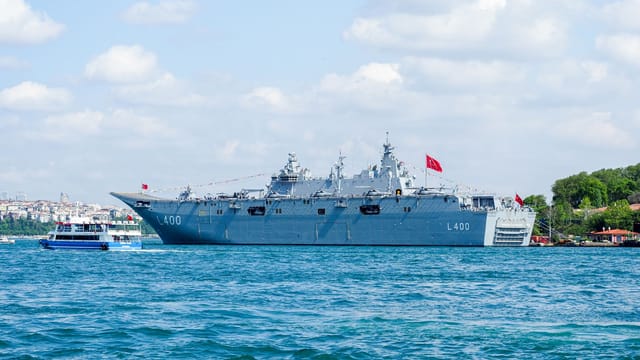
The Unmanned Shield: A Pilot Rescue in Hormuz Reveals the US Navy’s Robotic Future
An Iranian shoot-down of a U.S. Apache helicopter in the Strait of Hormuz necessitated a high-stakes pilot rescue using the Saronic 'Corsair' unmanned surface vessel. This operation highlights the U.S. Navy's accelerating shift toward autonomous systems to counter asymmetric threats and loitering munitions in contested waters.

The Island Fortress Fallacy: Debating Taiwan’s Shift to Asymmetric Warfare
Taiwan's military is facing internal and external skepticism over its 'asymmetric warfare' strategy, which draws inspiration from recent Middle Eastern and European conflicts. Critics argue that Taiwan’s unique island geography and lack of strategic depth make these military comparisons irrelevant and the 'porcupine' strategy potentially disastrous.

Misfires on the Coast: Technical Glitches in Taiwan’s HIMARS Drills Challenge the ‘Asymmetric Warfare’ Narrative
Recent live-fire drills in Taiwan saw four out of 36 HIMARS training rockets fail to fire, echoing previous technical issues despite U.S. maintenance efforts. While Taipei officials blame operator error to protect the image of U.S. defense quality, the recurring malfunctions raise questions about the reliability of the island's centerpiece asymmetric weapon system.
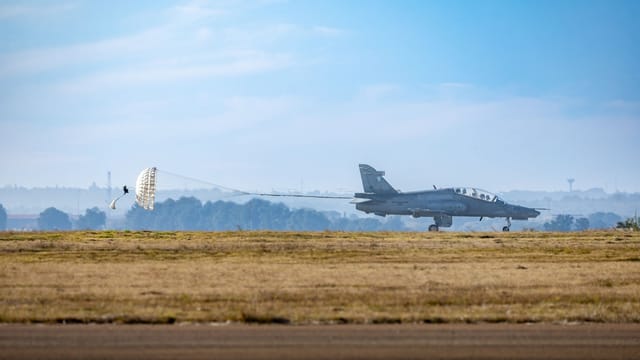
High-Altitude Ambitions: Taiwan’s Wind Tunnel Project Ignites Debate Over Defense Priorities
Taiwan's plan to build a NT$500 million high-altitude parachute simulator has sparked a debate over its strategic necessity and potential redundancy with existing VR systems. The project highlights the ongoing tension between the military's modernization goals and opposition demands for cost-effective, pragmatic defense spending.
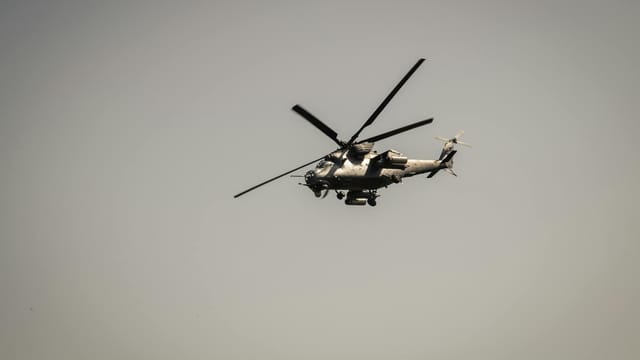
Asymmetric Shocks in the Strait: The Strategic Cost of the US-Iran Drone War
The downing of a U.S. Apache helicopter by a low-cost Iranian drone has triggered a fresh cycle of retaliatory strikes and highlighted the high cost of asymmetric warfare. While Washington attempts to manage the crisis through face-saving military responses and transactional diplomacy, Tehran remains committed to a strategy of attrition aimed at forcing a U.S. withdrawal from the region.

Tehran’s ‘Grassroots’ Arsenal: How Iran is Exploiting the U.S. Drawdown in the Gulf
Iran has utilized a recent ceasefire and a 40% reduction in U.S. regional troop levels to modernize its asymmetric arsenal. By focusing on low-cost stealth drones, high-speed sea vessels, and integrated missile tactics, Tehran has significantly altered the tactical balance of power in the Persian Gulf.
Mission Accomplished? Rubio Declares Victory Over Iran as 'Epic Fury' Winds Down
Secretary of State Marco Rubio has declared the end of 'Operation Epic Fury,' claiming a U.S. victory that has significantly degraded Iran's military capabilities. Despite the cessation of major strikes, critics point to continued maritime harassment and the high cost of drone defense as evidence that the regional threat remains unresolved.
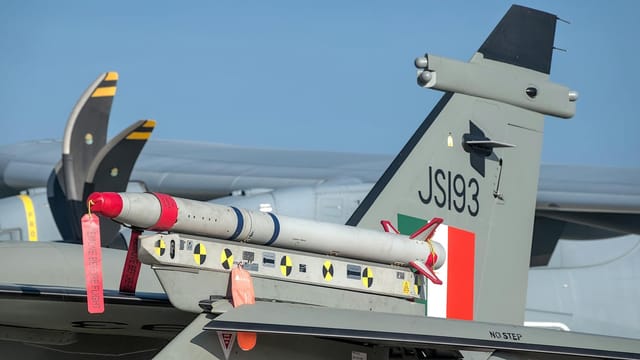
The Depletion Dilemma: Why US Precision Power Failed to Neutralize Iran’s Underground Arsenal
Recent intelligence evaluations reveal that Iran has successfully restored nearly 90% of its underground missile infrastructure and 70% of its inventory following US strikes. The failure of high-cost precision munitions to achieve permanent degradation has highlighted a growing depletion of the US strategic arsenal and the effectiveness of Iranian saturation tactics.
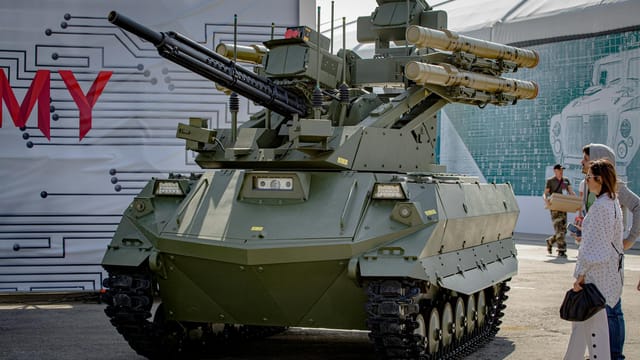
China’s All-in-One Answer to the Drone Menace: The Rise of Integrated Counter-UAS Platforms
China has unveiled a new mobile counter-drone vehicle that integrates electronic warfare and kinetic weapons to neutralize unmanned aerial threats. This unified platform is designed to counter drone swarms and reflects a strategic pivot toward protecting mobile military units from asymmetric, low-cost aerial attacks.
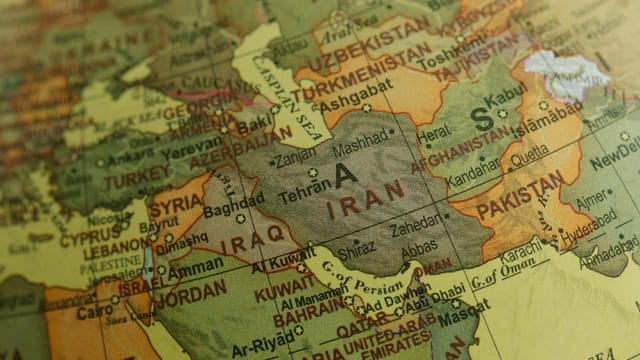
Shattering the Stealth Myth: The Strategic Fallout of Reported F-35 Losses in the Middle East
Recent reports alleging the downing of U.S. F-35 jets and THAAD systems by Iranian forces have sparked a crisis of confidence in American military technology. These claims are driving Gulf allies to diversify their security partnerships, potentially ending decades of U.S. hegemony in the Middle East.

Beyond the Kremlin's Walls: The Strategic Limits of Ukraine’s Moscow Offensive
Ukraine's strategy of targeting Moscow's urban center seeks to disrupt Russian domestic stability and stretch air defense resources. However, experts note that these strikes have limited military impact and have yet to significantly alter the operational landscape of the war.