
# Beijing
Latest news and articles about Beijing
Total: 71 articles found
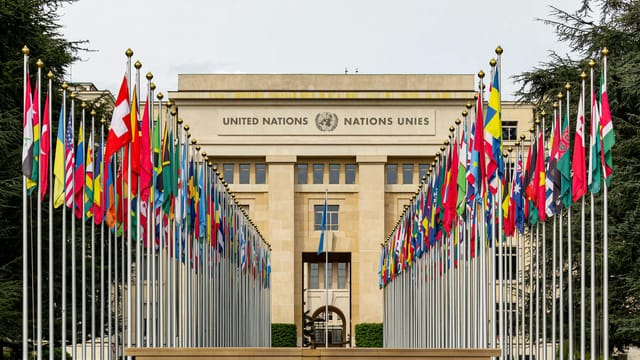
Fiscal Diplomacy: Beijing Rebuffs Washington’s Pressure Amid UN Arrears Row
Beijing has rejected U.S. diplomatic pressure by highlighting Washington's significant unpaid dues to international organizations. This move signals a strategic shift where China uses its financial reliability to undermine American leadership in multilateral institutions.

Beijing’s Quiet Hand: Navigating the Fragile Peace Between Washington and Tehran
China is increasingly asserting its role as a mediator in Middle Eastern conflicts, specifically highlighting its influence in extending the ceasefire between the U.S. and Iran. This diplomatic shift reflects Beijing's need for regional stability to protect its economic interests and energy security.
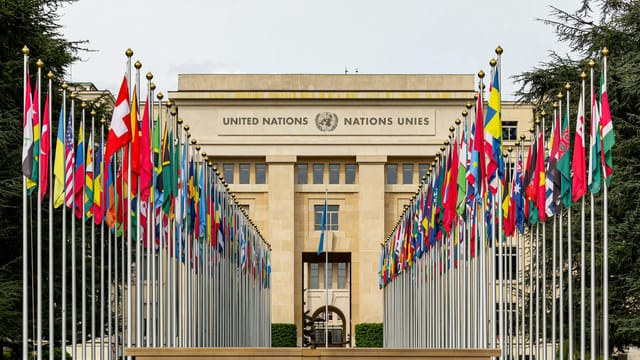
Diplomatic Duel: Beijing Rebuffs Washington in High-Stakes UN Security Council Exchange
China’s representative at the United Nations has delivered a sharp rebuke to American counterparts, accusing the United States of repeating 'old tunes' of smear tactics. The exchange underscores the widening diplomatic rift as both nations utilize the Security Council as a stage for strategic narrative competition.
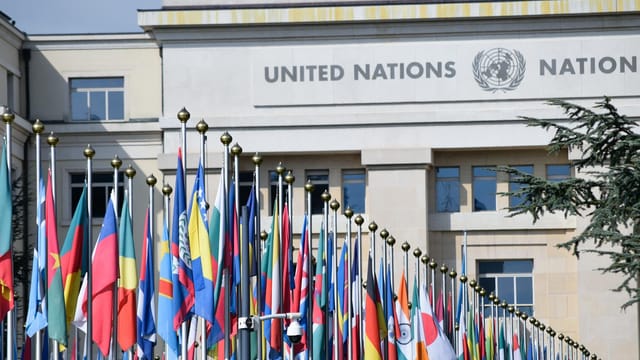
Narrative Sovereignty: Beijing Confronts Washington’s 'Blame-Shifting' at the United Nations
China’s representative at the UN Security Council has forcefully rejected U.S. accusations, characterizing them as a repetitive attempt to shift blame for global issues. This confrontation highlights the deepening rift between Beijing and Washington and the increasing difficulty of finding common ground within the United Nations.
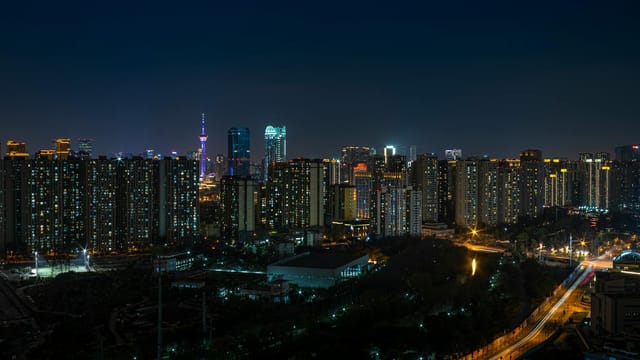
The Great Inland Pivot: Chengdu Challenges Beijing for Demographic Dominance
As Beijing intentionally restricts its population growth through 'de-population' policies, Chengdu is poised to become China's third-largest city by 2030. This shift reflects a broader national trend where strong provincial capitals act as demographic reservoirs, concentrating resources and labor to offset regional population declines.

The Shadow of 'New Militarism': Beijing Accuses Tokyo of Condoning Extremism After Embassy Threats
Beijing has issued a stern warning to Tokyo following a series of security threats against the Chinese Embassy, including a bomb threat from a self-proclaimed reserve officer. The Chinese Ministry of Foreign Affairs blames these incidents on a rise in 'new militarism' and a lack of control over Japan’s Self-Defense Forces.
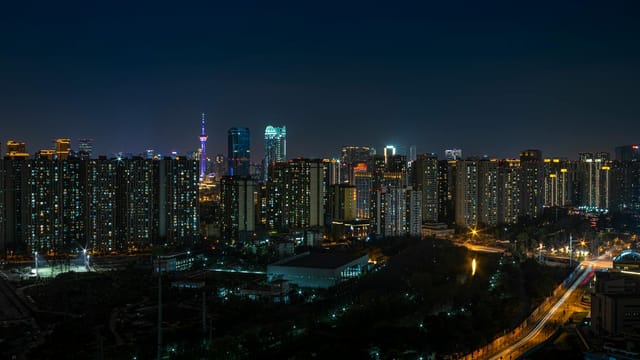
Westward Expansion: Chengdu Challenges Beijing for Demographic Dominance
Chengdu's permanent population has reached 21.53 million, rapidly approaching Beijing as the capital deliberately reduces its density. Despite China's national population decline, Chengdu remains one of the few megacities maintaining steady growth, driven by its rise as a western economic hub.

China’s Trillion-Dollar 'Sleeping' Fund: Why a Housing Safety Net is Falling Dormant
Data from 33 major Chinese cities shows that over 6 trillion RMB is sitting idle in the Housing Provident Fund due to a cooling property market and low consumer confidence. Policymakers are now scrambling to reform the system by expanding coverage to gig workers and increasing fund flexibility to prevent the scheme from becoming an obsolete pool of stagnant capital.

Beyond the Atmosphere: Beijing Moves to Secure the Future of Orbital Intelligence
Beijing has launched a dedicated Space Computing Innovation Center to develop radiation-hardened AI chips and satellite cooling systems. The move signals a strategic shift toward processing data in orbit, aimed at achieving technological parity with global leaders in commercial aerospace.

A Fragile Spring: China’s Tier-One Cities Test the Floor of a Property Crisis
China's four major tier-one cities have seen a record surge in secondary home sales following policy easing and price concessions. While this 'Little Spring' signals a localized bottoming out, the recovery is dominated by low-cost units and remains dependent on sustained consumer confidence and demographic inflows.

The IQ Multiplier: Why Nobel Laureate Michael Levitt Sees AI as an Intellectual Force Multiplier, Not a Replacement
Nobel laureate Michael Levitt argues that AI serves as a cognitive amplifier that raises human 'effective IQ' rather than replacing scientists. Speaking in Beijing, Levitt and other experts emphasized the transition from simply using AI tools to understanding their internal logic to unlock the next wave of scientific breakthroughs.

Nominal Warfare: Beijing Rebukes Manila Over Island Naming in the South China Sea
China has officially protested the Philippines' decision to name various features in the Nansha Islands, calling the move a violation of its sovereignty. The dispute highlights the growing use of administrative and symbolic gestures as tools in the broader geopolitical struggle for control over the South China Sea.