
# Energy%20Markets
Latest news and articles about Energy%20Markets
Total: 28 articles found

Echoes of the Tanker War: Why the Strait of Hormuz is Edging Toward an Explosive Confrontation
Escalating naval tensions in the Strait of Hormuz have reached a breaking point following a U.S. seizure of an Iranian vessel and a failed diplomatic opening. Internal Iranian politics and a 'maximum pressure' stance from the Trump administration have combined to revive the specter of a full-scale maritime conflict similar to the 1980s Tanker War.
Energy Hegemony at Gunpoint: Iran’s Dire Warning to the Gulf
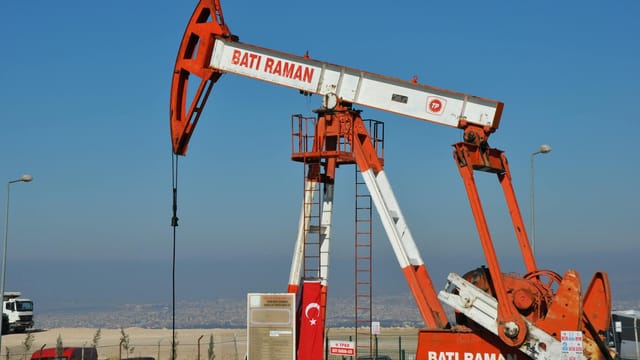
Iran has issued a stern warning to its Gulf neighbors, threatening to destroy their oil production facilities if their territories are used by the United States to launch attacks against the Islamic Republic. This move underscores Tehran's strategy of using regional energy security as a deterrent against Western military pressure.

The Hormuz Breakthrough: Oil Markets Plunge as Washington and Tehran Signal a Fragile Detente
Global oil prices crashed by over 11% following Iran's announcement that the Strait of Hormuz is fully open to commercial traffic. This de-escalation is tied to a reported 'grand bargain' between Washington and Tehran involving asset releases and nuclear concessions, though Israeli skepticism and European naval maneuvering continue to complicate the regional security landscape.

The Art of the Persian Deal: Trump Teases Imminent Iran Breakthrough and Global Energy Reset
President Trump has announced a potential breakthrough in negotiations with Iran, claiming a comprehensive peace deal is 'very close' and could be signed as early as this weekend. The proposed agreement reportedly includes Iran surrendering its enriched uranium and committing to a 20-year nuclear moratorium in exchange for regional stability and energy cooperation.
Washington’s Straitjacket: The US Naval Blockade of Iran Begins
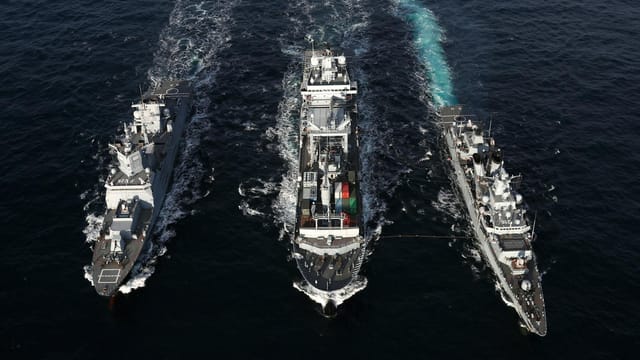
The United States has initiated a targeted naval blockade against all Iranian ports, significantly escalating tensions in the Persian Gulf. While the U.S. claims it will not interfere with non-Iranian transit through the Strait of Hormuz, the move has drawn international condemnation and a defiant response from Tehran.

Brinkmanship in the Strait: US-Iran Peace Talks Hit a Maritime Deadlock
High-level negotiations between US and Iranian officials in Islamabad have stalled over the control of the Strait of Hormuz, while both nations issue contradictory reports regarding naval encounters in the region. Despite the historic nature of the face-to-face talks, regional conflicts in Lebanon and disputes over maritime sovereignty continue to hinder a diplomatic breakthrough.

Navigating the Gauntlet: US Naval Transit Through Hormuz Signals Shift in Post-Conflict Posture
For the first time since the 2026 conflict with Iran began, US Navy warships have transited the Strait of Hormuz. The move is a strategic attempt to reassert maritime freedom and secure global energy corridors in a highly volatile post-war environment.
A Hollow Peace: Why the Hormuz Ceasefire Has Failed to Restart Global Trade
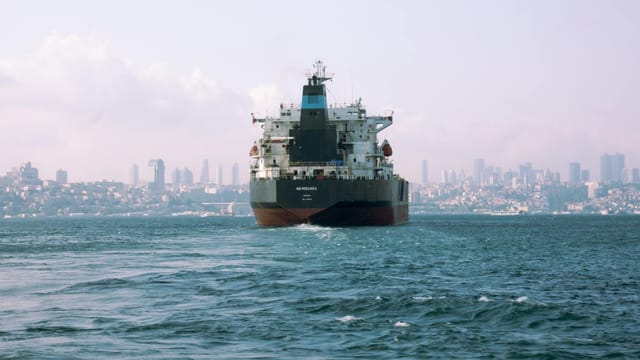
Despite a US-Iran ceasefire, the Strait of Hormuz remains largely dormant as the IRGC enforces a strict new regulatory regime over the waterway. High insurance costs and the threat of unauthorized seizure have kept major shipping firms away, leaving over 3,200 vessels backlogged and forcing a long-term reliance on the Cape of Good Hope route.
Mirage of Peace: Why the Reclosing of the Strait of Hormuz Shatters Global Supply Chain Recovery
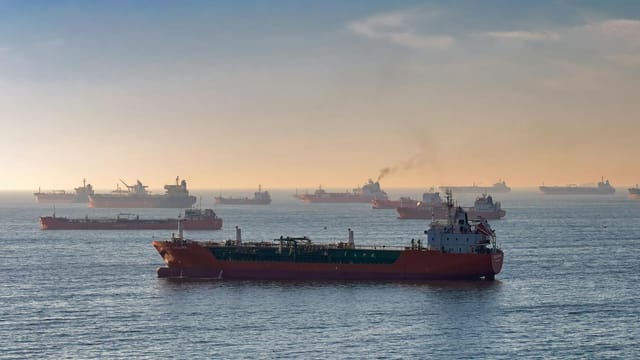
A fragile US-Iran ceasefire has collapsed, leading Tehran to re-close the Strait of Hormuz and paralyze the world's primary energy corridor. With shipping traffic down 95% and diplomatic trust at a nadir, global trade growth forecasts for 2026 have been drastically downgraded.

Iran’s Stranglehold: Why the Strait of Hormuz Remains Trump’s Unsolvable Puzzle
U.S. intelligence warns that Iran will maintain its strategic control over the Strait of Hormuz to pressure the Trump administration. The combination of Iran's asymmetric military advantages and a growing diplomatic rift between the U.S. and its European allies has left Washington with few viable options to reopen the waterway.

The Hormuz Chokepoint: Why the U.S.-Iran Conflict is Hitting Home in the American Heartland
Escalating military conflict between the U.S., Israel, and Iran is causing significant global economic disruption, particularly through the destabilization of the Strait of Hormuz. These tensions have led to rising energy costs in the United States, illustrating the limits of energy independence and the direct economic consequences of Middle Eastern military intervention.

Starmer Assumes Leadership of 35-Nation Coalition to Reopen the Strait of Hormuz
Prime Minister Keir Starmer has launched a 35-nation diplomatic initiative led by the UK to reopen the Strait of Hormuz and secure global energy supplies. The move aims to combat inflation and domestic cost-of-living issues by restoring maritime stability through both diplomatic negotiations and post-conflict military planning.