
# Energy%20Security
Latest news and articles about Energy%20Security
Total: 220 articles found

Chokepoint Diplomacy: UN Treads Carefully as Tensions Simmer in the Strait of Hormuz
The United Nations has expressed cautious optimism regarding the lack of new military activity in the Strait of Hormuz, calling it a positive sign for regional stability. While noting US claims that hostilities have ended, the UN is prioritizing the creation of a sustainable diplomatic framework to ensure freedom of navigation through the critical energy chokepoint.

Beijing’s Strait Advantage: China Emerges as the Indispensable Broker in the Persian Gulf
As U.S.-Iran military tensions flare in the Hormuz Strait, China has emerged as the sole mediator capable of engaging both sides. Driven by its own energy security and the 1.38 million barrels of Iranian oil it imports daily, Beijing is leveraging its economic ties and the use of the Yuan to challenge U.S. sanctions and propose a new regional security framework.
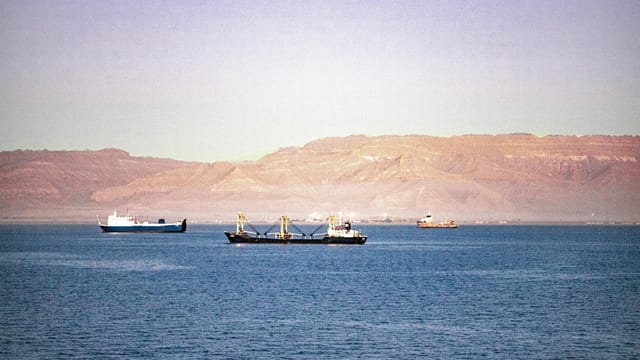
Hormuz at a Crossroads: Iran’s Araghchi Seeks Beijing’s Weight in High-Stakes US Negotiations
Iranian Foreign Minister Abbas Araghchi visited Beijing to brief Chinese officials on negotiations with the US, highlighting China's central role in mediating the Persian Gulf crisis. Amidst a fragile ceasefire and the ongoing blockade of the Strait of Hormuz, Beijing is advocating for a diplomatic settlement that avoids renewed warfare while safeguarding its own energy security.
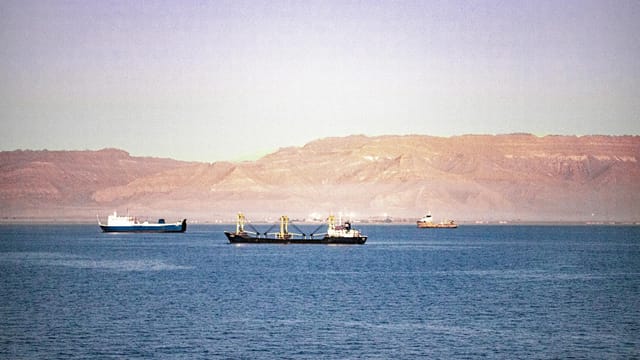
Tehran Shuts the Strait: A High-Stakes Gamble in the Shadow of War
Iran has declared the Strait of Hormuz closed, with a senior advisor to the Supreme Leader describing the nation as being in a 'state of war' with the United States. This escalation, combined with a refusal to limit missile development, significantly heightens the risk of conflict in the world's most vital energy corridor.
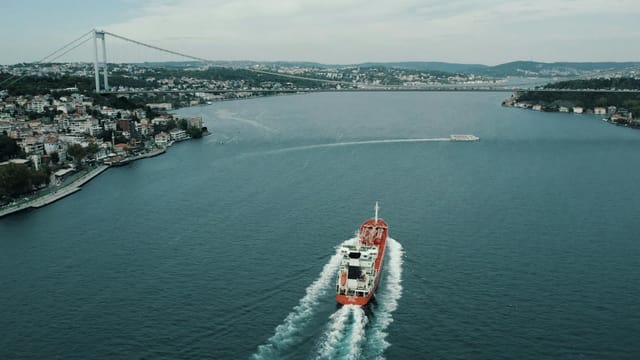
Oil for Risk: Baghdad’s Desperate Gambit to Breach the Hormuz Blockade
Iraq is offering a massive $33.40 per barrel discount on its crude oil to incentivize buyers to transit the dangerous Strait of Hormuz. Following a 70% drop in export volumes due to US-Israel-Iran military tensions, Baghdad is also diversifying its export strategy through pipelines in Turkey and truck convoys through Syria.
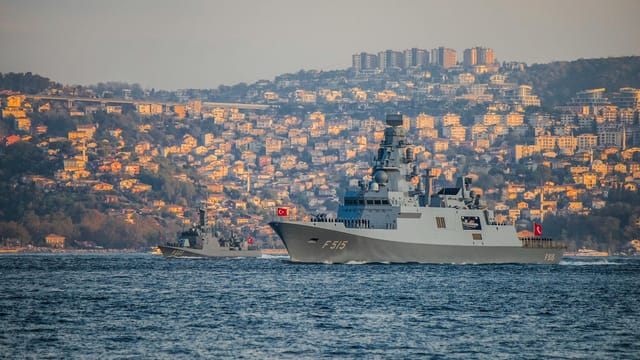
Brinksmanship in the Strait: Tehran Escalates Maritime Standoff with 'Warning' Strikes
Iran conducted warning strikes using missiles and drones near a U.S. Navy vessel in the Strait of Hormuz, asserting its control over the strategic waterway. While no damage was reported by the U.S., the incident represents a significant escalation in maritime tensions and a direct challenge to American naval presence in the region.

Gunboat Diplomacy 2.0: US Kinetic Action in the Strait of Hormuz Signals a Hardened Middle East Policy
US Central Command has engaged and sunk six Iranian vessels in the Strait of Hormuz as part of a mission to break a regional maritime deadlock. The operation involves a successful naval blockade and the interception of Iranian missiles, signaling a sharp escalation in US efforts to secure the vital shipping lane.
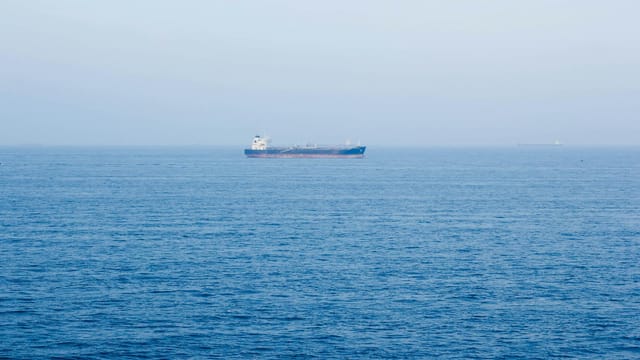
Tehran’s High-Stakes Gambit: A Fourteen-Point Peace Plan Met with Trump’s Skepticism
Iran has submitted a 14-point peace proposal to the U.S. via Pakistan, demanding military withdrawal and reparations, while President Trump has expressed deep skepticism. Concurrently, Tehran is advancing legislation to assert total control over the Strait of Hormuz, including a permanent ban on Israeli shipping and taxes on 'hostile' nations.

A Chokepoint Choked: 'Epic Fury' and the Collapse of Hormuz Shipping
A joint U.S.-Israeli military operation against Iran has triggered a 90% collapse in shipping traffic through the Strait of Hormuz. With daily transits dropping from 130 to fewer than ten, the region faces an unprecedented logistical and energy security crisis.

The Great Decoupling: Why the 2026 Energy Crisis is a Structural Break, Not a Blip
The 2026 oil crisis, triggered by unprecedented disruptions in the Strait of Hormuz, has caused a historic decoupling between financial markets and physical supply. As China grapples with rising industrial costs and maritime norms face erosion in both the Middle East and Southeast Asia, the global energy priority has shifted decisively toward national security over economic efficiency.
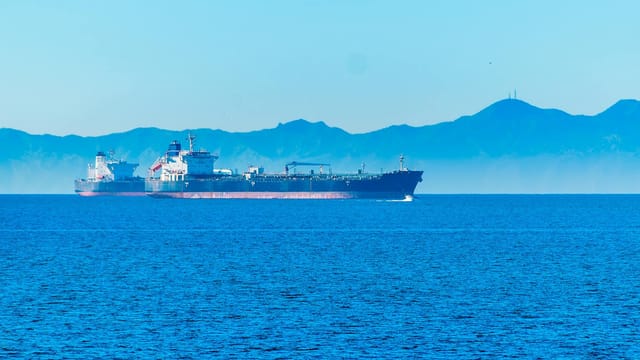
Standoff at the Strait: Iran’s Desperate Oil Gambit and the Threat of Global Stagflation
UN Secretary-General Guterres warns of a global economic crisis and a massive surge in poverty if the Strait of Hormuz remains closed through 2026. Meanwhile, Iran is resorting to using retired oil tankers as floating storage as its onshore facilities reach total saturation, risking permanent damage to its energy infrastructure.
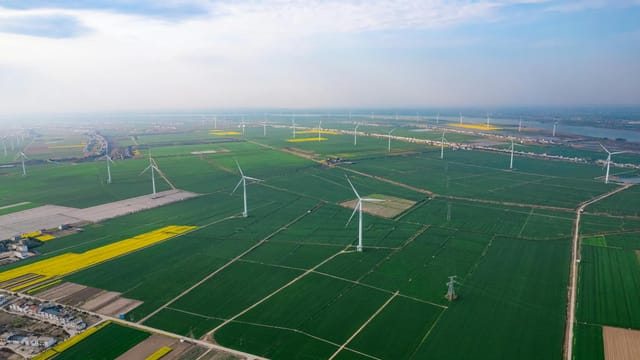
Rails of Resistance: Iran’s Strategic Gambit to Bypass the Strait of Hormuz
Iran is exploring a strategic plan to export crude oil to China via rail networks to bypass U.S. naval blockades in the Strait of Hormuz. Leveraging Central Asian infrastructure, Tehran seeks to secure its economic lifeline to Beijing despite significant logistical costs and operational challenges.