
# GDP
Latest news and articles about GDP
Total: 16 articles found
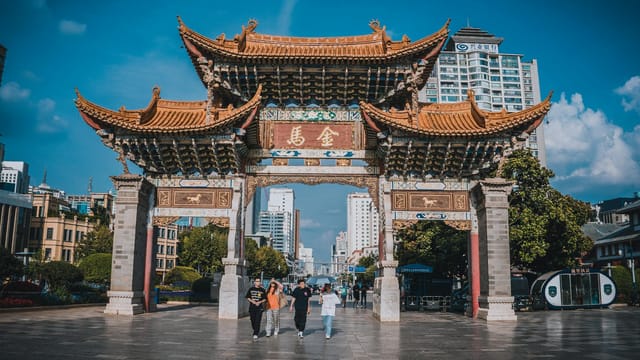
Chasing the Trillion-Yuan Dream: Kunming Struggles to Reclaim Its Status in Western China
Kunming is doubling down on its goal to reach a one-trillion-yuan GDP by 2030, despite significantly underperforming during the previous five-year planning period. The city is shifting its strategy toward advanced manufacturing and industrial chains to reverse its declining provincial economic share and join the ranks of China's top urban economies.

The Silicon Gilded Cage: Why Taiwan’s Record GDP Masks a Deepening Industrial Malady
Taiwan's per capita GDP has surpassed that of Japan and South Korea due to the global AI boom, yet this growth is unevenly distributed. The island faces 'Taiwan Disease,' a structural imbalance caused by over-reliance on semiconductors, currency undervaluation, and a widening wealth gap that leaves the average citizen struggling with inflation.

China Sets a Modest 4.5–5% Growth Target for 2026, Signalling Caution and Flexibility
Beijing set a moderately conservative economic growth target of 4.5–5% for 2026, signalling a policy stance that prioritises stability, debt control and targeted support over broad stimulus. The range gives authorities room to act if risks materialize while emphasising structural reforms and employment stability.
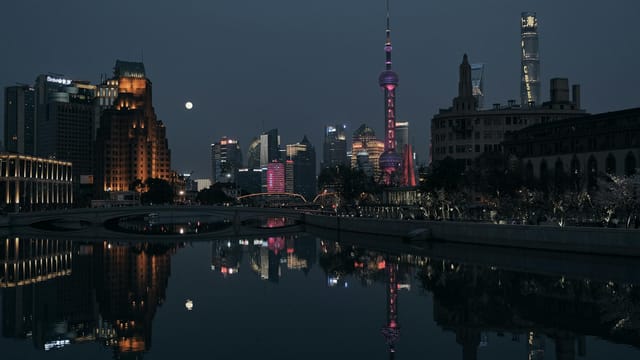
China's Two-Speed Powerhouses: Why Jiangsu Is Closing In on Guangdong
Jiangsu narrowed the GDP gap with long‑time leader Guangdong to RMB 349.5 billion in 2025, driven by faster industrial growth and a broad, city‑level distribution of manufacturing clusters. Guangdong retains advantages in patents, corporate R&D and population inflows, leaving the contest a contrast between manufacturing scale and innovation concentration.
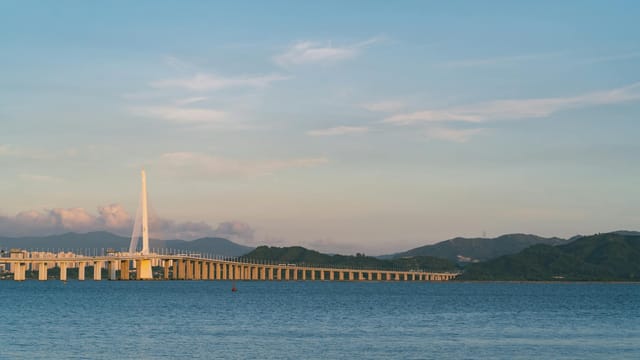
Hefei’s Industrial Surge and Shenzhen’s Sprint: China’s City GDP Race Heats Up
Hefei has overtaken Jinan in momentum by leaning into high-tech manufacturing and policy-backed investment, tying both cities at 1.42 trillion yuan in 2025. Shenzhen is the leading candidate to break the 4-trillion-yuan barrier in 2026, while Nanjing, Ningbo and Tianjin compete to reach the 2-trillion mark, each with different strengths and constraints.
Chengdu–Chongqing Reunited: China’s Western Twin-Cities Top 10 Trillion Yuan and Redraw Regional Balance
Sichuan and Chongqing together have surpassed 10 trillion yuan in GDP, underscoring the re-emergence of the Chengdu–Chongqing twin-city economic corridor as China’s largest western growth pole. The milestone reflects not just fiscal transfers and infrastructure spending but the maturation of industrial clusters in electronics, advanced manufacturing and new energy.
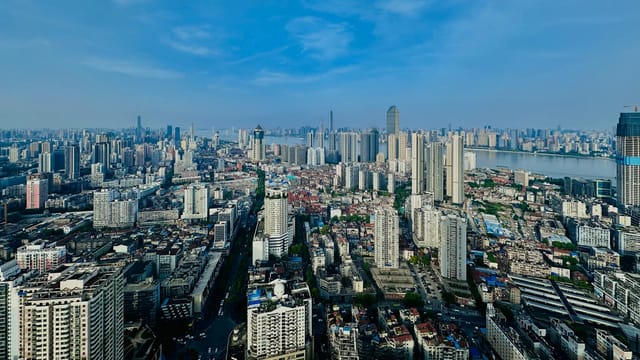
Shenzhen’s Nanshan Reaches 1 Trillion Yuan — China’s First District to Hit City‑Scale GDP
Shenzhen’s Nanshan district surpassed 1 trillion yuan in GDP in 2025, the first sub‑city district in China to do so. The milestone reflects heavy concentration in software, internet and advanced manufacturing clusters, but also highlights risks from industry concentration, limited land, and external tech‑trade pressures.

Guangdong Keeps China’s Economic Crown — but the Next Leap Will Be Harder
Guangdong maintained its position as China’s largest provincial economy in 2025, driven by strong foreign trade, rapid expansion of high‑tech manufacturing and sustained R&D investment. The province plans to target 4.5%–5% GDP growth in 2026 while pivoting into new sectors such as the low‑altitude economy, but faces headwinds from SME digitalisation gaps and modest fiscal revenue growth.

Shanghai, Beijing and Zhejiang Pull Ahead as China’s Household Incomes Rise — But Consumption Lags
China’s national per‑capita disposable income rose 5% to 43,377 yuan in 2025, led by Shanghai, Beijing and Zhejiang, while household spending growth slowed to 4.4%. The gains are concentrated in coastal and major city provinces, and policymakers are prioritising income and job measures to revive consumption.
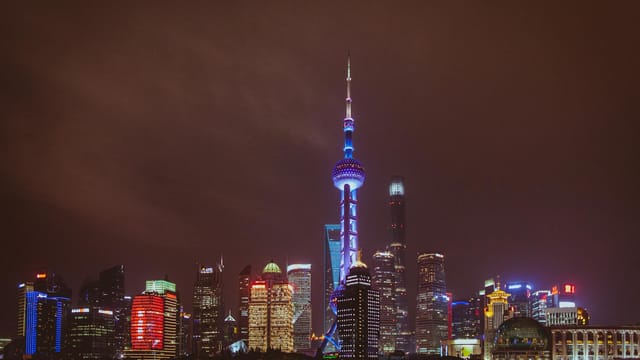
Beijing Joins Shanghai as China’s Second City to Top Rmb5 Trillion — A New Service‑Led Model Emerges
Beijing’s 2025 GDP reached Rmb5.21 trillion (about USD740 billion), making it the second Chinese city after Shanghai to cross the Rmb5 trillion threshold. The milestone reflects a service‑and‑innovation‑led growth model achieved under a policy of “reduced‑scale development,” positioning Beijing as a global economic actor comparable to many medium‑sized countries while presenting new strategic tradeoffs in openness, livability and high‑level transformation.

Shandong Surpasses 10 Trillion RMB: A Chinese Province Now Rivals Medium‑Sized Economies
Shandong reported 2025 GDP of about 10.32 trillion RMB, roughly $1.48 trillion at current exchange rates, placing it among the world’s largest subnational economies. The milestone reflects deep industrial roots, deliberate upgrading toward high‑tech sectors, institutional reforms and an emphasis on regional coordination and green transition, but significant challenges remain in sustaining high‑quality, low‑carbon growth.

A City That’s Not Rushing to Celebrate a Trillion: What Xuzhou’s Calm on GDP Says About China’s Urban Policy Shift
Xuzhou has refrained from an emphatic announcement that its GDP surpassed one trillion yuan, publishing only a 5.8% real growth figure and urging officials not to be preoccupied with the milestone. The move reflects a broader policy tilt in China away from headline GDP targets toward higher-quality, more balanced urban development, though political incentives to tout such thresholds remain strong.