
# Iran
Latest news and articles about Iran
Total: 1259 articles found

The High Price of Deterrence: Israel’s Economy Shrinks Amid Escalating Conflict with Iran
Israel's GDP contracted by 3.3% in Q1 2026 following major military escalations with Iran, driven by mass mobilization and a sharp decline in private consumption. With the cumulative cost of conflict since 2023 reaching 8.6% of GDP, financial authorities have significantly lowered growth forecasts for the remainder of the year.
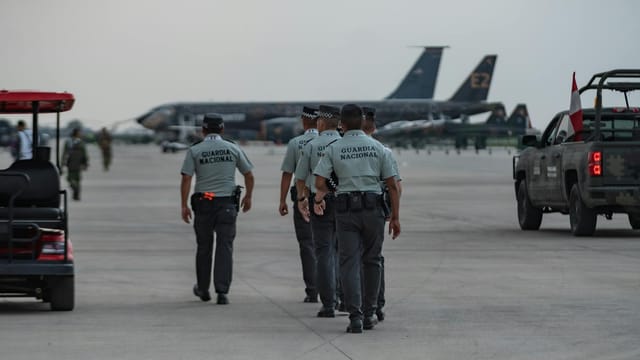
The Caribbean Drone Shadow: Cuba’s New Arsenal and the Return of the Monroe Doctrine
The Trump administration is treating Cuba's acquisition of over 300 military drones and the presence of Iranian advisors as a major national security threat. Intelligence suggests potential plans for drone attacks on U.S. bases and warships, potentially providing a justification for American military intervention.

Brinkmanship in the Persian Gulf: Washington Sets High Bar for De-escalation with Iran
The United States has reportedly responded to an Iranian peace proposal with five stringent conditions, including the removal of enriched uranium and a refusal to release frozen assets. These demands highlight a deepening diplomatic rift as Tehran threatens to reach 90 percent uranium enrichment in response to potential military strikes.

Brinkmanship in the Situation Room: Trump Weighs Strikes on Iran as Diplomatic Window Closes
President Trump is convening a national security meeting to evaluate military strikes against Iran following high-level coordination with Israel. The Pentagon has identified specific energy and infrastructure targets as the administration shifts from diplomacy to a posture of imminent military pressure.
Trump’s Ultimatum to Tehran: High-Stakes Brinkmanship and the Middle East’s Fragile Peace
President Trump has threatened Iran with renewed military action as nuclear and ceasefire negotiations reach a stalemate. With both Washington and Tehran sticking to maximalist demands, the risk of a joint U.S.-Israeli air campaign against Iranian infrastructure is rising sharply.
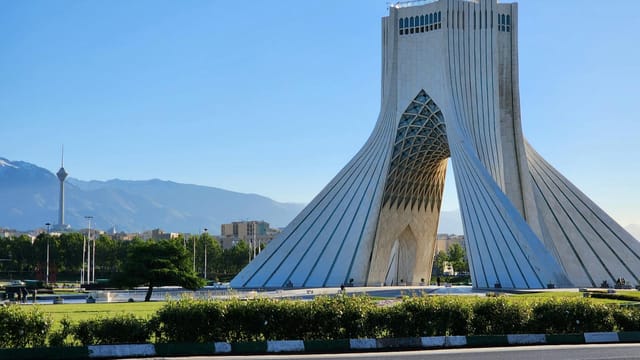
Trump’s Ultimatum to Tehran: Brinkmanship Returns to the Situation Room
President Trump has issued a severe warning to Iran, stating the nation faces total ruin if it does not 'act quickly.' Following consultations with Israeli Prime Minister Netanyahu, the White House is reportedly preparing to review military options in a high-level Situation Room meeting.

The Brink of Escalation: Trump’s Zero-Sum Gambit in Tehran
President Trump has issued a dire ultimatum to Iran, warning of total destruction if the regime fails to act immediately. Supported by close coordination with Israel and an upcoming White House Situation Room meeting, the U.S. appears to be transitioning from economic sanctions toward a direct military footing.
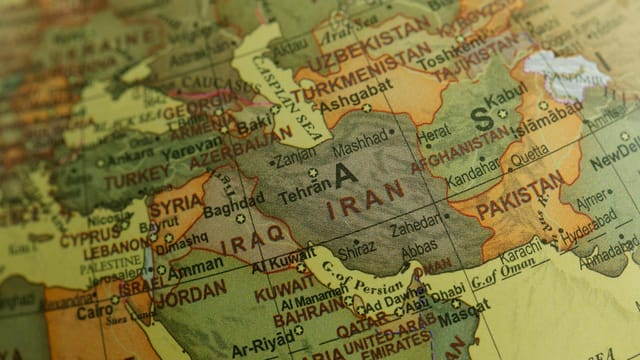
A Return to the Brink: Netanyahu and Trump Coordinate on Potential Iran Strikes
Israeli Prime Minister Benjamin Netanyahu and U.S. President Donald Trump discussed the possibility of restarting military action against Iran during a 30-minute call. The discussions focused on coordinated airstrikes, signaling a potential return to a high-confrontation strategy in the Middle East.

Trump’s 'Storm' Warning: US and Israel Signal Potential Return to Hostilities with Iran
Tensions between the US, Israel, and Iran have reached a breaking point as President Trump warns of a 'storm' and discusses restarting military operations with Prime Minister Netanyahu. Global markets have responded with sharp increases in oil and gold prices, while Iran has pivoted toward China for strategic support amid a deadlock in diplomatic negotiations.
Trump Issues 'Nothing Left' Ultimatum as War Drums Beat for Tehran
President Trump has issued a stark ultimatum to Iran, warning of total destruction unless the regime takes immediate action. With a White House Situation Room meeting scheduled and close coordination with Israel underway, the threat of renewed military conflict in the Middle East has reached its highest point in years.
The Resilience of the Iranian Arsenal: Intelligence Gap Challenges Washington’s Narrative of Success
Intelligence assessments from NATO and the U.S. reveal that Iran has preserved 60% to 70% of its missile inventory despite heavy bombardment. This data contradicts official White House claims of a near-total destruction of Iranian capabilities, pointing to a prolonged and difficult conflict ahead.
The Arsenal That Won’t Die: Intelligence Reports Challenge Claims of Iran’s Military Attrition
Contrary to political claims of total degradation, NATO and U.S. intelligence reports indicate that Iran retains 60% to 70% of its pre-war missile inventory. The resilience of Tehran's underground infrastructure has allowed for rapid repairs and continued assembly, ensuring a sustained threat to regional stability.