
# Iran
Latest news and articles about Iran
Total: 1259 articles found
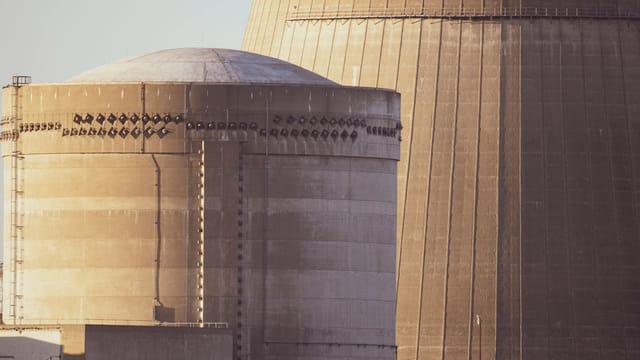
On 'Life Support': The Fraying Ceasefire Between Washington and Tehran
President Trump has warned that the ceasefire with Iran is nearing collapse following Tehran's refusal to commit to a non-nuclear future in its latest diplomatic response. While Iran seeks to focus on maritime security in the Strait of Hormuz, Washington maintains that no deal is possible without a permanent halt to Iran's nuclear ambitions.
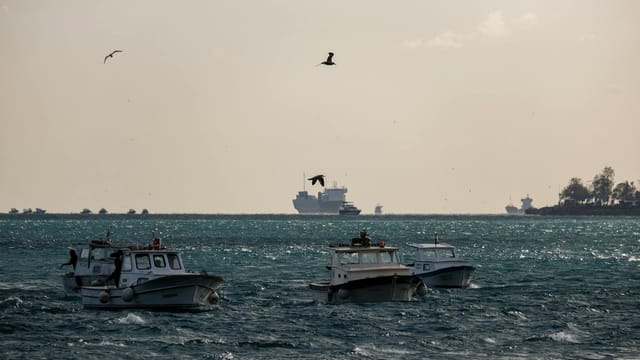
Tehran’s Harder Line: Mojtaba Khamenei and the Pivot to Active Aggression
Iran has officially shifted its military doctrine from passive defense to active offense under the direction of Mojtaba Khamenei. This strategic pivot involves centralized military command, a massive internal purge of alleged spies, and a heightened readiness to disrupt global energy corridors in the Strait of Hormuz.

A High-Stakes Escort: Europe’s Gamble in the Strait of Hormuz
The UK and France are spearheading a 40-nation naval coalition to secure the Strait of Hormuz, prompting Iran to declare a 'red line' and threaten military retaliation. The mission highlights Europe's drive for strategic autonomy but significantly raises the risk of accidental conflict in a critical global energy corridor.

Tehran’s Succession and the Shadow of War: Mojtaba Signals a Hardline Shift in the Strait
Iran's Supreme Leader Mojtaba has issued new military directives aimed at countering US presence in the Strait of Hormuz, signaling a hardline continuation of the 'resistance' policy. The move emphasizes high combat readiness and warns of immediate retaliation against any American strategic miscalculations.
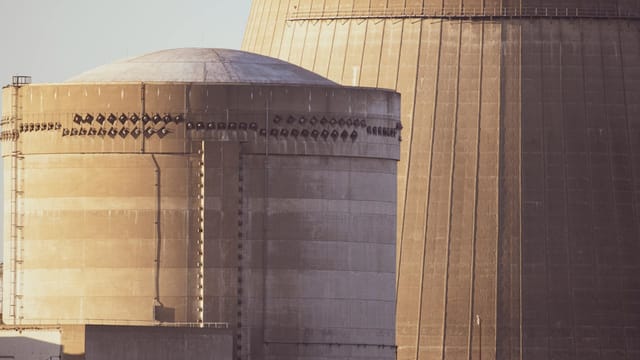
Explosion in Arak: Uncertainty Grips Iran’s Strategic Industrial Hub
An explosion on May 11 destroyed a residential building in Arak, a city of high strategic importance in central Iran. Emergency teams are currently on-site for rescue operations while authorities investigate the cause of the blast in this critical industrial and nuclear hub.
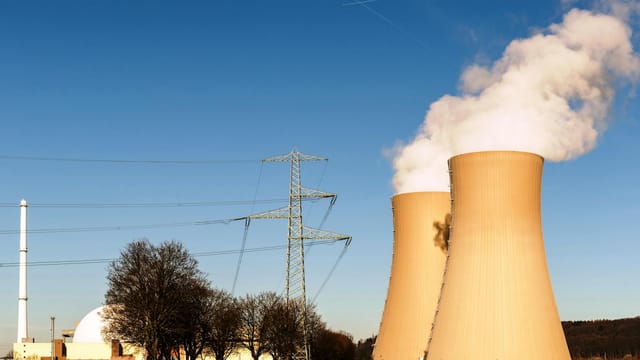
Explosion in Arak: A Domestic Incident or a Strategic Signal?
An explosion in the strategically significant city of Arak, Iran, has destroyed a residential building and prompted an urgent emergency response. The incident is drawing international attention due to the city's role in Iran's nuclear program and the history of sabotage in the region.
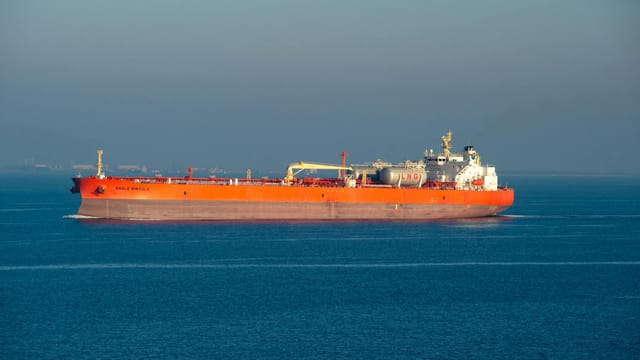
The Strait of Stakes: Europe’s Maritime Gambit and Iran’s Red Line
A UK and France-led coalition of 40 nations is launching a naval mission to secure the Strait of Hormuz, prompting a fierce military warning from Iran. This move signifies Europe's push for strategic autonomy but significantly elevates the risk of a direct military clash in the world's most vital energy corridor.
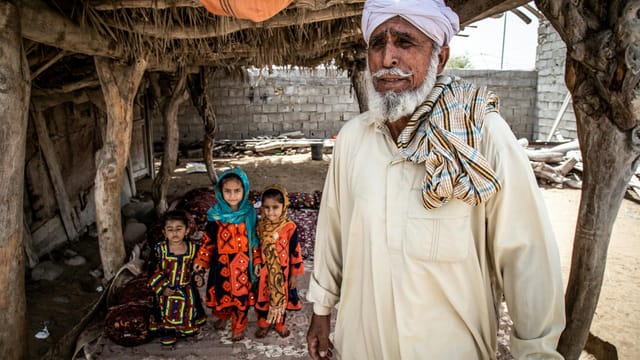
Shadow War on the Silk Road: Iran’s Border Clash Signals Growing Regional Volatility
Iranian security forces successfully repelled a heavily armed militant incursion from Pakistan in the restive Sistan-Baluchestan province. The incident highlights the growing risk of a broader ground conflict as Tehran faces simultaneous pressures from domestic unrest and regional adversaries.
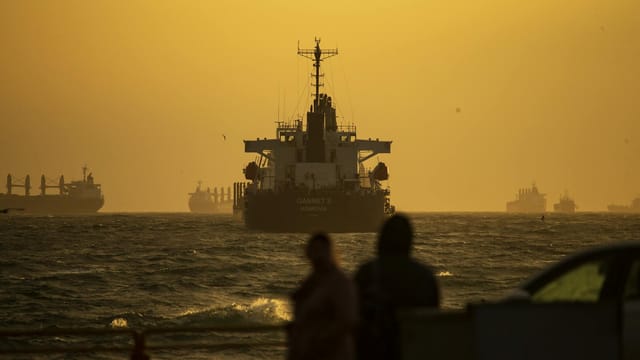
The Hormuz Gambit: Why America’s Three-Carrier Might Faces a Strategic Quagmire
A massive U.S. naval buildup in the Strait of Hormuz is being met with Iranian asymmetric tactics that exploit the geographic and political vulnerabilities of the American position. As domestic gas prices rise and critical political deadlines approach, the standoff is shifting from a military contest to a test of political and economic endurance.
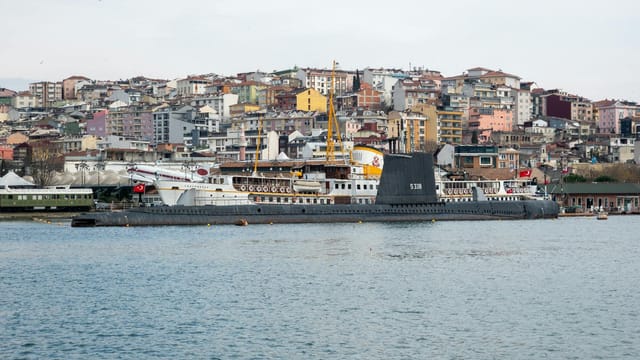
Silent Sentries: Iran’s Subsurface Maneuvers Heighten Tensions in the Strait of Hormuz
Iran has publicly disclosed the active deployment of domestically built midget submarines in the Strait of Hormuz for surveillance and tracking. This move highlights Tehran's focus on asymmetric naval tactics and its capability to monitor hostile vessels in a critical global energy corridor.
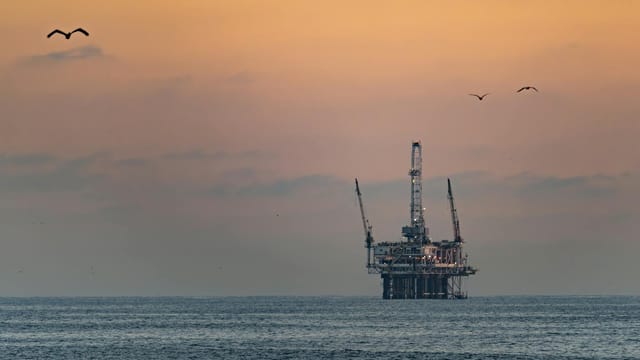
Trump Rebuffs Tehran’s Latest Diplomatic Gambit as Oil Markets Brace for Escalation
Oil prices surged past $98 per barrel after President Trump rejected Iran's latest proposal to end sanctions in exchange for nuclear and regional concessions. Amidst the diplomatic deadlock, military tensions continue to rise with reported drone shoot-downs and stern warnings from Israel regarding Iran's nuclear infrastructure.
The Hormuz Tightrope: Macron’s Naval Denial and the Looming Shadow of Tehran
President Macron has clarified that France has no plans to deploy naval forces to the Strait of Hormuz, despite increasing its presence in the Red Sea. This move attempts to de-escalate tensions with Iran, which has warned that any Western military presence in the Strait will be met with a decisive response.