
# Israel
Latest news and articles about Israel
Total: 594 articles found

Thousands March in Rome to Protest US–Israel Strikes on Iran, Warning Europe Against Escalation
Thousands marched in Rome on 14 March to protest US and Israeli strikes on Iran, with unions and social groups warning that a widening Middle East war would burden ordinary people. Demonstrators demanded diplomatic solutions and urged European governments to avoid military escalation while protecting vulnerable domestic constituencies from the economic fallout.

Iran Shifts to Sustained Strikes: Night Raid on U.S. Base in Kuwait and a Wider Campaign to Wear Down Washington and Tel Aviv
Iran says it has moved from isolated retaliation to a sustained campaign of multi‑wave strikes against U.S. and Israeli targets, claiming a night attack on a U.S. helicopter base in Kuwait that it says produced more than 100 wounded. The shift, combined with proxy operations and attacks on shipping, raises the prospect of a wider, protracted regional conflict with immediate economic effects on global energy markets.
False Assassination Claims of Netanyahu Spread on Social Media, Israeli Office Denies
Social media claims that Israeli prime minister Benjamin Netanyahu had been assassinated were decisively denied by his office after rumours resurfaced following the outbreak of war with Iran. A viral video frame alleged to show a six-fingered hand was debunked by fact-checkers as a shadow artifact, illustrating how visual anomalies and limited official visibility fuel dangerous misinformation in conflict settings.
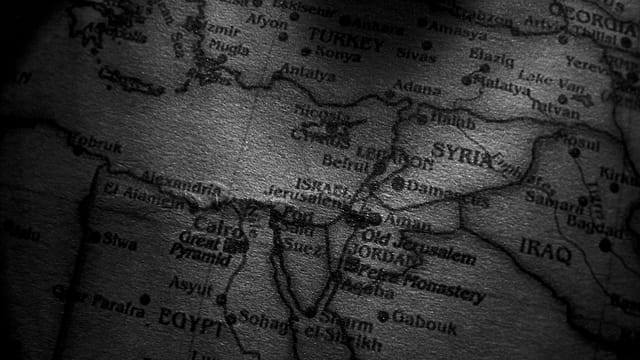
Israel Says No Immediate Plan for Direct Talks with Lebanon Amid Conflicting Reports
Israel’s foreign minister Gideon Sa’ar said on March 15 there are no plans for direct talks with Lebanon in the coming days, contradicting earlier reports that meetings might be held in Paris or Cyprus. The denial highlights the sensitivity of any bilateral engagement amid ongoing border tensions and the involvement of non-state armed groups.

Gulf on Edge: Day 15 of the US–Israel–Iran War Sees Strikes on Kharg, New Iranian Preconditions for Peace
On day 15 of the US–Israel–Iran conflict, Washington struck Kharg Island’s military facilities while Iran demanded full restitution and a U.S. withdrawal from the Persian Gulf as conditions for stopping hostilities. The fighting is broadening — from missile strikes on a Saudi base to attacks on financial and diplomatic targets — and risks prolonged disruption to Gulf shipping and global energy markets.

Strike on Khark Island Deepens US–Iran Standoff and Risks a Global Energy Shock
US airstrikes on Khark Island amid Iran’s intensified ‘‘Real Promise‑4’’ campaign have deepened a dangerous standoff that pits American caution against Israeli belligerence. Because Khark is central to Iran’s oil exports, attacks there risk provoking broad proxy retaliation across the Gulf and a global energy shock.

U.S. Security Strained: Attacks, Staffing Cuts and a Shifting Homeland Threat Picture
A series of recent attacks and attempted attacks in the United States has exposed strains in the homeland security apparatus. Experts link rising domestic risk to overseas conflict and argue that recent personnel cuts and shifting enforcement priorities have weakened the nation’s capacity to anticipate and prevent attacks.

Israel Says It Struck Tehran Aerospace Hub and Air‑Defence Factories — A New Phase in the Shadow War
Israel said it struck an Iranian aerospace research centre in Tehran and multiple air‑defence production sites on the night of March 13, claiming the moves will weaken Iran’s satellite programmes and its ability to rebuild air‑defence systems. Iran had not publicly responded and independent confirmation was not available, making the strikes a potentially significant escalation in the long-running shadow conflict between the two countries.

When War Comes Suddenly: How a Strike on Tehran Escalated a Regional Crisis
A sudden US–Israeli strike on Tehran has unleashed a perilous new phase of Middle Eastern violence, killing scores of civilians and spreading disruption across aviation, energy and regional security. The assault underscores how technological precision and permissive legal interpretations intensify asymmetrical warfare and raise the prospect of protracted, regionwide instability.
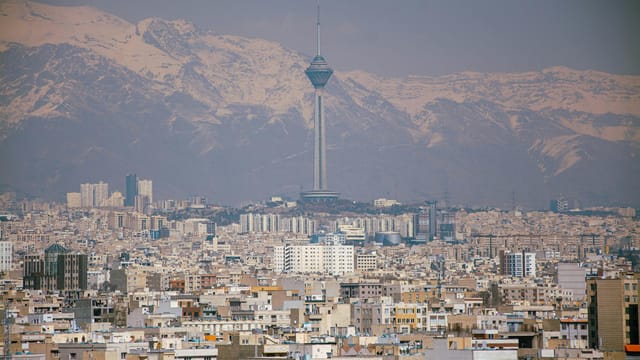
Under Fire in Tehran: Demonstrators Rally for Palestine Despite Airstrikes
Thousands marched in Tehran on 13 March to show solidarity with Palestine despite nearby airstrikes that local media say killed at least two people. The state framed the demonstration as a rejection of American and Israeli pressure while amplifying allegations of civilian casualties to consolidate domestic support and signal resilience regionally.

Israel Says It Has Conducted Over 1,100 Airstrikes on Lebanon as Troops Mass on Northern Border
Israel says it has carried out over 1,100 airstrikes in Lebanon and reinforced its northern border after renewed cross-border fighting. The scale of strikes and troop movements raises the risk of deeper confrontation with Hezbollah and wider regional spillover, with serious humanitarian and diplomatic consequences for Lebanon and its neighbors.

China Steps Into the Fray: Shuttling Diplomacy Amid an Escalating Iran–Israel–US Clash
China has ramped up shuttle diplomacy as a widening Iran–Israel–US conflict drives humanitarian suffering and market shocks. Beijing’s ties across the region give it leverage to mediate, but domestic politics in Washington, Iran’s internal cohesion, the effectiveness of multilateral mediation and control of the Strait of Hormuz will determine whether de‑escalation is possible.