
# Naval%20Warfare
Latest news and articles about Naval%20Warfare
Total: 32 articles found
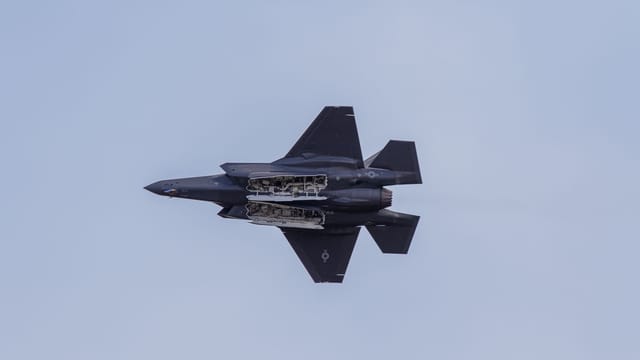
China’s Type 076 Ambitions: The Rise of the 'Aviation Assault Ship' and J-35 Integration
China's Type 076 amphibious assault ship is nearing flight trials, with analysis suggesting it can operate the J-35 stealth fighter thanks to its electromagnetic catapults. While hangar space and deck bottlenecks pose challenges, the vessel positions China to deploy 'mini-carrier' capabilities that could outperform Western equivalents in specific maritime scenarios.
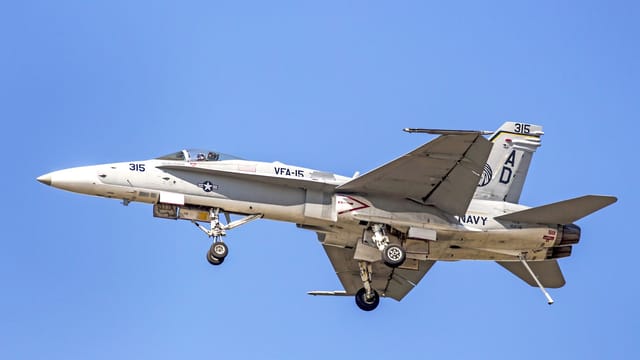
Catapulting to the Top: The Strategic Significance of China’s Electromagnetic Naval Leap
China's CNS Fujian carrier utilizes advanced electromagnetic catapults to surpass traditional steam systems, significantly enhancing its ability to launch heavy aircraft and increase operational sortie rates. This technological leap positions the PLAN as a formidable peer to the US Navy in carrier aviation.
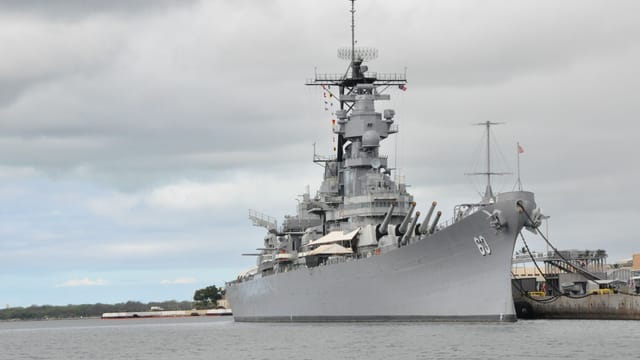
A Pacific Phalanx: USS Roosevelt Anchors RIMPAC 2026 Amid Shifting Tides
The USS Theodore Roosevelt will lead 31 nations in the RIMPAC 2026 exercise, the world's largest international maritime drill. Set to take place in Hawaii this summer, the maneuvers aim to strengthen multi-national naval cooperation and regional deterrence.
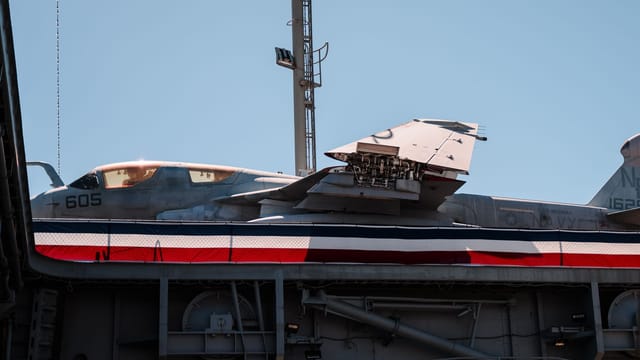
Beijing Asserts Maritime Reach as Liaoning Carrier Group Confronts Japanese Surveillance in West Pacific
China's Liaoning carrier group recently conducted training in the West Pacific, where it encountered and managed surveillance from Japanese forces. The Chinese Ministry of Defense defended the fleet's actions as lawful, emphasizing its growing ability to operate in deep-sea environments despite regional friction.
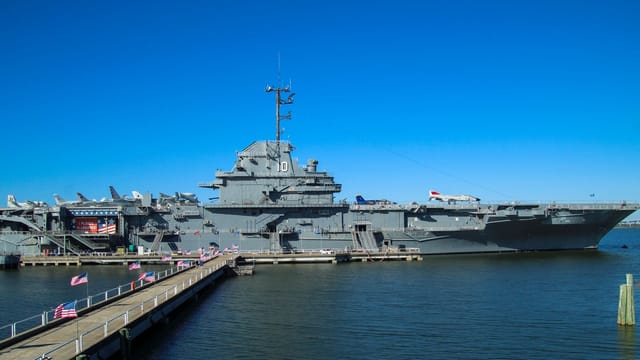
Trial by Fire: The Structural and Systemic Failures Haunting the USS Gerald R. Ford
A 30-hour fire aboard the USS Gerald R. Ford has exposed critical vulnerabilities in the U.S. Navy's newest carrier class, ranging from structural steel degradation to failures in automated damage control systems. The resulting repair timeline threatens to exacerbate a readiness gap in U.S. global power projection amid a declining domestic shipbuilding capacity.
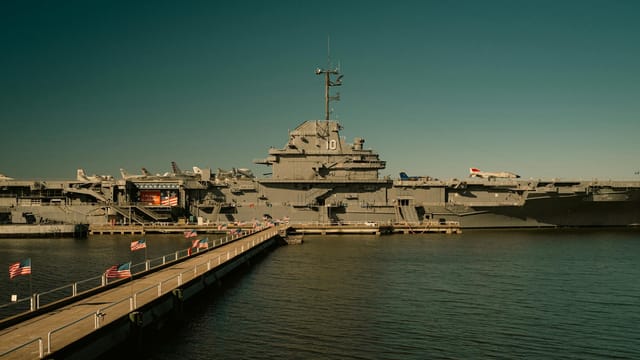
Trial by Fire: The Gerald R. Ford and the Fragility of American Naval Supremacy
Leaked footage reveals that a March 2026 fire on the USS Gerald R. Ford was significantly more severe than the U.S. Navy reported, highlighting critical failures in the carrier's fire suppression systems and the toll of an 11-month deployment.

Anchors Aweigh: Israel’s Naval Pivot Signals a Permanent War Footing Against Iran and Lebanon
Israel's military chief has dismissed the possibility of a ceasefire in Lebanon while announcing a major strategic expansion of the Israeli Navy. The IDF is positioning its maritime forces as a long-range strategic arm capable of direct operations against Iran, signaling a new phase in regional power projection.
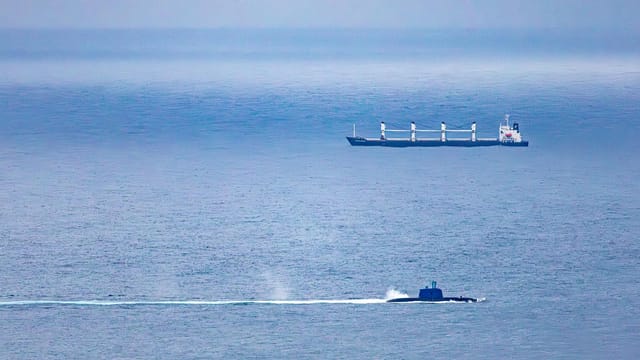
Closing the Silent Gap: How China’s Type 095 Submarine Ends the Era of American Undersea Absolute Superiority
China's new Type 095 nuclear attack submarine represents a major shift in naval power, featuring advanced stealth technologies and hypersonic missiles that challenge long-standing U.S. underwater superiority. Supported by the world's largest shipbuilding industry, China's rapid production of these quiet vessels threatens to tilt the strategic balance in the Indo-Pacific.
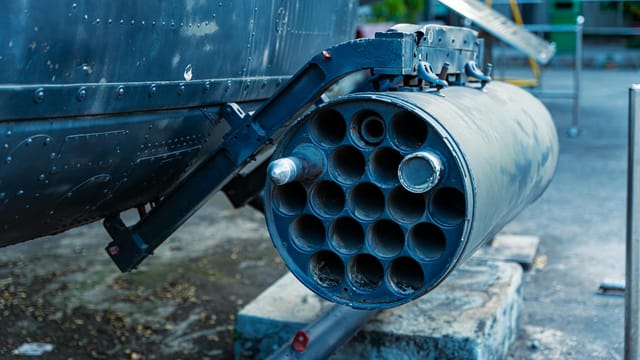
Closing the Shield: China’s New Naval Defense System Signals Shift Toward High-Intensity Maritime Attrition
China has completed testing of a new naval terminal defense system designed to counter hypersonic missiles and drone swarms. The system focuses on multi-layered integration and cost-effective interception, preparing the PLA Navy for high-intensity, asymmetric maritime conflict.
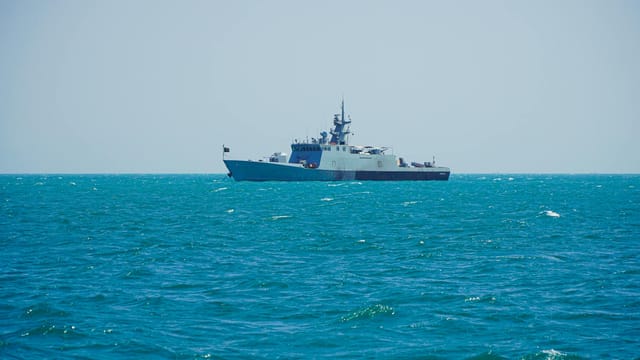
Brinkmanship in the Strait: US Signals Readiness for Major Combat as Iran Maritime Tensions Boil Over
U.S. military leadership has announced readiness for large-scale combat operations against Iran amid a maritime blockade dubbed 'Project Liberty.' While Tehran claims to have struck a U.S. destroyer near the Strait of Hormuz, CENTCOM denies any damage and continues to escort commercial vessels through the volatile waterway.

Gunboat Diplomacy 2.0: US Kinetic Action in the Strait of Hormuz Signals a Hardened Middle East Policy
US Central Command has engaged and sunk six Iranian vessels in the Strait of Hormuz as part of a mission to break a regional maritime deadlock. The operation involves a successful naval blockade and the interception of Iranian missiles, signaling a sharp escalation in US efforts to secure the vital shipping lane.
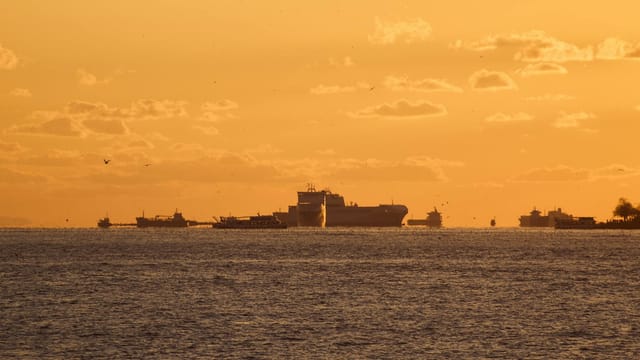
Escalation in the Strait: U.S. Naval Forces Sink Iranian Vessels in High-Stakes Maritime Clearing Operation
U.S. Central Command has confirmed the sinking of six Iranian vessels and the interception of missiles during a new operation to clear the Strait of Hormuz. This escalation follows a presidential directive to guide stranded commercial ships through the waterway amid a highly effective maritime blockade of Iran.