
# US-Iran%20Conflict
Latest news and articles about US-Iran%20Conflict
Total: 28 articles found

Cross-Border Escalation: US and Iran Trade Direct Blows in Dangerous Regional Shift
The United States launched direct strikes on 20 targets inside Iran following the downing of a U.S. helicopter, sparking immediate Iranian drone and missile counter-attacks against U.S. bases in Bahrain and Jordan. This escalation marks a significant shift toward direct state-on-state conflict in the Middle East.

Brinkmanship in the Strait: US Strikes and Iranian Retaliation Signal Sharp Escalation
The U.S. military has conducted airstrikes on Iranian radar stations following drone provocations, sparking a major retaliatory missile strike from Iran on U.S. bases in Kuwait and Bahrain. Tehran has further threatened to close the Strait of Hormuz, posing a catastrophic risk to global energy security.

The Economic War Room: Trump Ties Iranian Peace to Inflation Relief Ahead of 2026 Midterms
As the 2026 US midterms approach, Donald Trump has pledged to rapidly end hostilities with Iran, framing the conflict as a primary driver of domestic inflation. This strategic shift aims to capture voters frustrated by rising living costs through a populist foreign policy that prioritizes economic relief over geopolitical intervention.
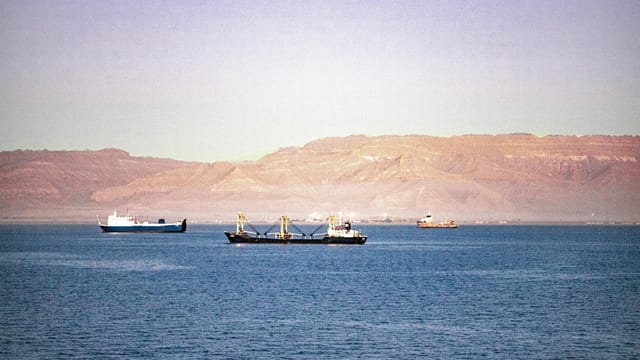
Hormuz at a Crossroads: Iran’s Araghchi Seeks Beijing’s Weight in High-Stakes US Negotiations
Iranian Foreign Minister Abbas Araghchi visited Beijing to brief Chinese officials on negotiations with the US, highlighting China's central role in mediating the Persian Gulf crisis. Amidst a fragile ceasefire and the ongoing blockade of the Strait of Hormuz, Beijing is advocating for a diplomatic settlement that avoids renewed warfare while safeguarding its own energy security.
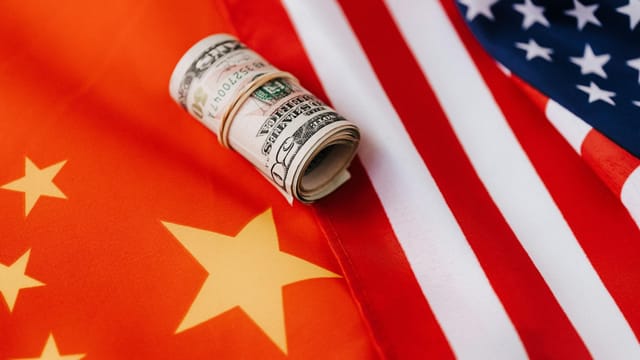
The Geopolitical Domino: Why a US-Iran Conflict Threatens to Unleash a 'Serial Shock' on the American Economy
As tensions between the US and Iran escalate in May 2026, economists warn of a 'serial shock' to the American economy driven by surging energy prices and fiscal strain. This potential conflict threatens to disrupt supply chains and trigger market volatility, complicating the US economic outlook.
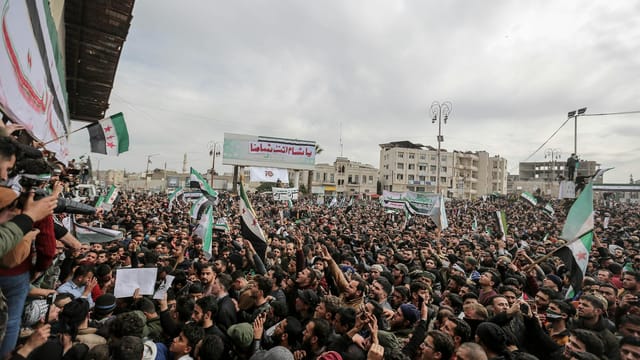
Echoes of Vietnam and Iraq: American Public Sentiment Turns Against the Iran Conflict
A comprehensive poll reveals that 61% of Americans view military action against Iran as a mistake, matching the public disapproval levels of the Iraq and Vietnam wars. The data highlights deep concerns regarding economic stability, terrorism, and strained international alliances, leaving the U.S. administration with a divided mandate for future negotiations.
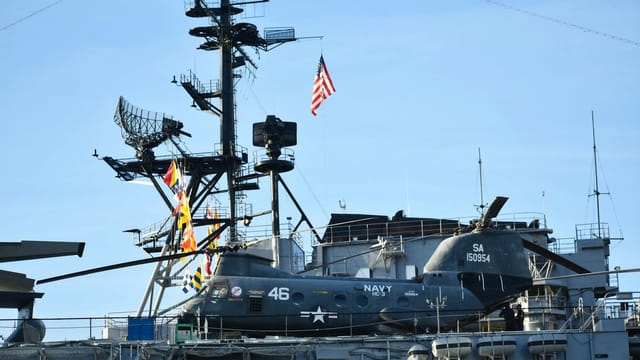
Asymmetric Attrition: The Strategic Overextension of the US in a Sixty-Day Iranian Quagmire
A 60-day conflict with Iran has exposed critical weaknesses in the US military-industrial complex and strained the Atlantic alliance. The high cost of asymmetric warfare and a depleting munitions stockpile have forced Washington into a strategic stalemate that challenges its global hegemony.

Chokepoint: The 180-Day Minefield Threatening a Global Energy Collapse
The blockade of the Strait of Hormuz has triggered an unprecedented global energy crisis, with the U.S. military estimating a six-month delay for mine clearance. As Iranian storage reaches its limits and global oil transit drops by 80%, the crisis is forcing a realignment of global trade routes and a temporary relaxation of sanctions on Russia and Iran to prevent economic collapse.

The Hormuz Trap: Why a Fragile Peace is Sinking in the Persian Gulf
A breakdown in diplomatic communication and the persistence of US 'maximum pressure' tactics have pushed the Strait of Hormuz to the brink of a major naval conflict. Following the US seizure of an Iranian vessel, Tehran's internal politics have shifted toward a hardline stance, raising the specter of a modernized 'Tanker War' that could paralyze global energy transit.
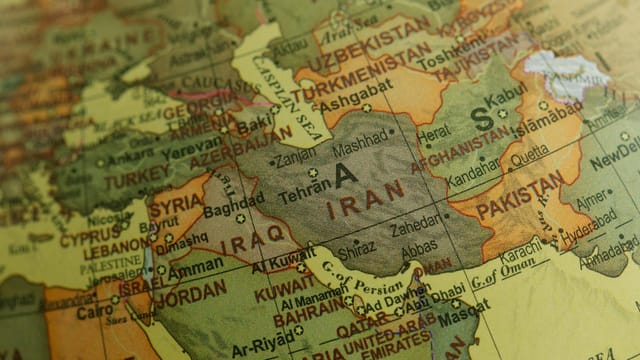
The Quagmire of Hegemony: How the US-Iran Confrontation is Backfiring on Washington
The ongoing US-Israel-Iran conflict has transitioned into a costly stalemate that is draining American economic resources and alienating global allies. Rising military expenditures and failed strategic objectives suggest that Washington's traditional reliance on force is yielding diminishing returns in a changing geopolitical landscape.
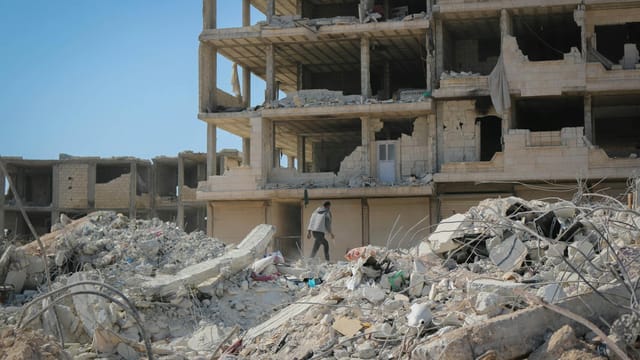
Collateral or Targeted? Advanced U.S. Missiles Under Scrutiny Following Iranian Civilian Casualties
Forensic evidence suggests U.S. PrSM missiles caused significant civilian casualties in Iran's Fars province during the first day of hostilities. Despite U.S. denials, the unique tungsten fragment signatures of the missiles indicate their involvement in strikes near civilian infrastructure and IRGC facilities.

A Fragile Calm in the Strait: Can the China-Pakistan Initiative Secure a Lasting Gulf Peace?
The US and Iran have agreed to a two-week ceasefire and negotiations in Islamabad to reopen the Strait of Hormuz. Parallel to this, China and Pakistan have proposed a five-point stability framework focused on protecting civilian infrastructure and maritime security.