
# Urban%20Planning
Latest news and articles about Urban%20Planning
Total: 15 articles found

The Weight of Progress: China’s Electric Vehicle Bloat Strains the Infrastructure of the Future
China's rapid transition to heavy, large-format electric vehicles is outstripping existing infrastructure and creating a fiscal imbalance in road maintenance. New 2026 energy consumption standards and proposed weight-based taxes represent a strategic pivot to force the industry toward lightweight efficiency and tax parity.

Inferno at the Intersection: A Fiery Collision Rekindles Turkey’s Road Safety Debate
A violent high-speed crash in Turkey involving a fireball and stacked vehicles has sparked fresh concerns over the country's road safety standards. The incident underscores the tension between Turkey's rapid infrastructure growth and the persistent lag in traffic enforcement and urban safety protocols.

High-Speed Horror in Turkey: Intersection Collision Highlights Growing Road Safety Crisis
A catastrophic high-speed collision at a Turkish intersection resulted in a violent fireball and stacked wreckage, highlighting severe gaps in urban traffic enforcement. The incident has sparked a national conversation regarding the need for stricter speed regulations and advanced technological interventions to curb aggressive driving behaviors.

Shenzhen’s Five-Trillion Yuan Blueprint: Building a Post-Industrial Fortress
Shenzhen has unveiled its 15th Five-Year Plan, targeting a 5 trillion yuan GDP by 2030 through high-tech industrialization and vertical urban manufacturing. The city aims to solidify its role as a global innovation leader, leveraging record-high R&D spending and regional integration to overcome land scarcity.

The Red Light for the Gig Economy: Shenzhen Signals a Saturated Ride-Hailing Market
Shenzhen transport authorities have declared the local ride-hailing market saturated, with vehicles averaging only 13 orders per day. The government issued a comprehensive warning against predatory leasing schemes, deceptive income promises, and the financial risks of unlicensed operations.

Hong Kong Ends Ride-Hailing Ambiguity with Strict New Licensing and $1.2 Million Platform Fees
Hong Kong is formalizing its ride-hailing market with a new licensing regime that caps vehicle numbers at 10,000 and imposes a HK$1.2 million annual platform fee. The move aims to resolve long-standing legal grey areas and mitigate tensions with the traditional taxi industry by August 2025.
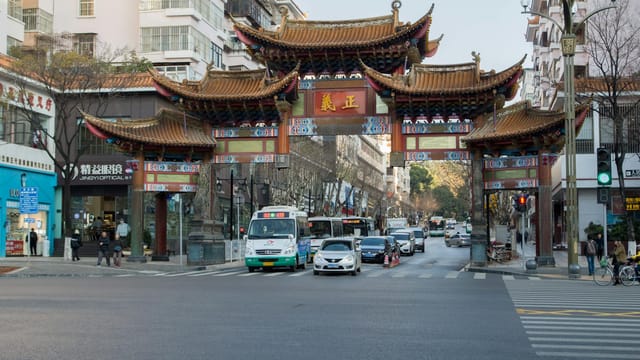
Kunming’s Trillion-RMB Gambit: Can the ‘Spring City’ Pivot to Industrial Power?
Kunming has launched an ambitious 15th Five-Year Plan to finally join China's elite 'trillion-RMB GDP club' after missing previous targets. The city is shifting its strategy from a reliance on tourism and real estate toward advanced manufacturing and leveraging its position as a gateway to Southeast Asia.

Vertical Decay: Can the Skyscraper Dream Survive Modernity?
As high-rise residential buildings globally face premature aging and rising maintenance costs, the industry is pivoting toward smart technology and community-centric design to prevent urban decay. The success of vertical living will depend on proactive policy and collective financial commitment to infrastructure upkeep.

Breaking the Descent: Taiyuan’s Struggle to Rebound from Industrial Decay
Taiyuan, the capital of Shanxi, has finally ended its streak of negative GDP growth with a modest 3.1% increase in early 2026. The city continues to grapple with its heavy reliance on coal and the failure of assembly-line manufacturing, highlighting the systemic challenges inland Chinese cities face when transitioning to high-tech economies.
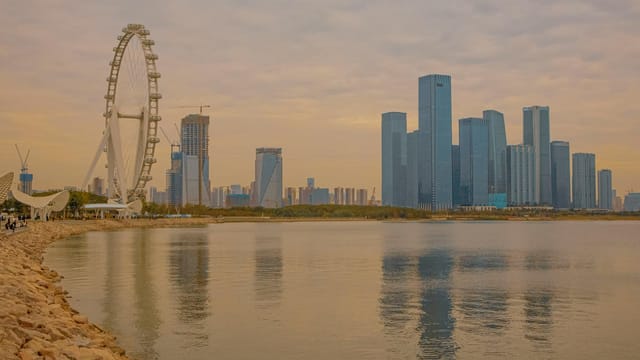
The Tiger Returns: Zhongshan’s Bold Rebirth as a Greater Bay Area Pivot
Zhongshan is staging a dramatic economic comeback, shedding its status as a laggard through aggressive land reforms and the transformative impact of the Shenzhen-Zhongshan Link. The city has been repositioned by provincial authorities as a critical strategic pivot to balance economic development across the Pearl River Estuary.
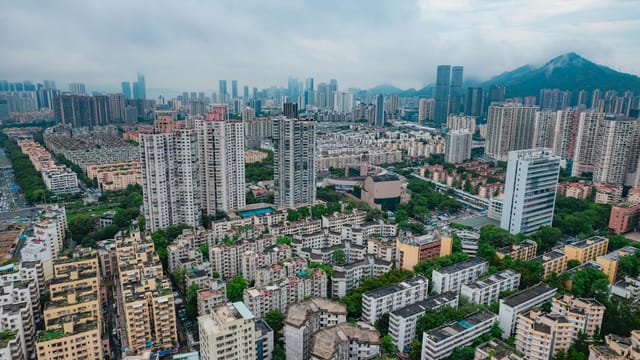
Shenzhen Dismantles Property Barriers: Tech Hub Links Housing Relief to Demographic Goals
Shenzhen has significantly relaxed property purchase restrictions in its core districts while introducing aggressive mortgage incentives for families who are newly married or have children. The move seeks to stabilize the real estate market by attracting high-income buyers and linking housing affordability to the city's demographic goals.

Beijing’s Urban Blueprint: Can 'Youth-Friendly' Cities Solve China’s Demographic Crisis?
China has launched a massive 15-department initiative to create 'youth-friendly' cities that integrate housing, consumption, and fertility support into urban planning. The policy seeks to lower living costs and provide ideological guidance on marriage to combat the country’s record-low birth rates and economic stagnation.