
# regional%20security
Latest news and articles about regional%20security
Total: 69 articles found

Missiles Over Riyadh Signal Escalation as Saudi Defences Intercept Strike
Saudi air defences intercepted four ballistic missiles over Riyadh on March 18, triggering the city's first wide-scale mobile air-raid alerts since a joint US–Israeli strike on Iran on February 28. No casualties were reported initially, but the incident raises the risk of regional escalation and will prompt scrutiny of attribution, defence readiness and international responses.
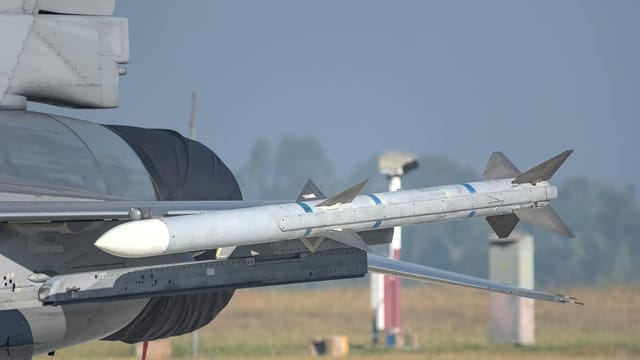
Iran Embarks on 61st Wave of Retaliatory Strikes, Unveils ‘Castle‑Breaker’ Missile in Response to Larijani Killing
Iran announced a 61st wave of retaliatory strikes using a weapon it calls the “Castle‑Breaker,” framing the action as revenge for the killing of a senior figure named Larijani. The move is part of a deliberate, sustained campaign of calibrated reprisals that raises regional tensions and the risk of miscalculation without yet provoking a full‑scale war.

Israel Defence Chief’s Sweeping Warning — ‘All Iranians’ Are Targets — Stokes Fears of Wider Escalation
Israel’s defence minister declared that “all Iranians” are legitimate targets, a sweeping statement that raises legal, diplomatic and security alarms. The rhetoric escalates an already tense Israel–Iran rivalry and increases the risk of regional spillover, complicating relations with international partners urging restraint.

Assassination of Iran’s National Security Secretary Deepens Leadership Vacuum and Raises Risk of Rapid Escalation
Ali Larijani, Iran’s national security council secretary and former nuclear negotiator, was killed in an overnight strike that Israel says it conducted. His death creates a leadership and coordination gap in Tehran, strengthens hardline factions, and increases the risk of swift and wider Iranian retaliation that could destabilise the region and complicate nuclear diplomacy.
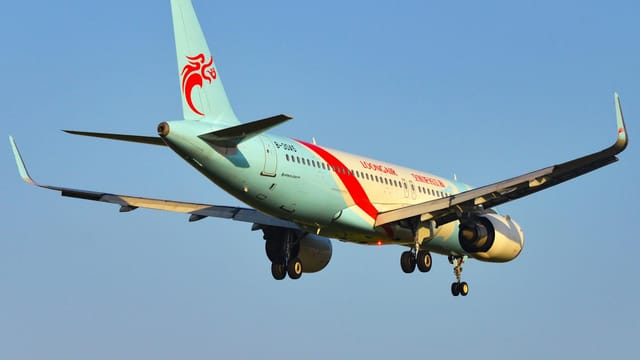
China and North Korea Restart Passenger Flights — A Modest but Meaningful Rapprochement
China announced the resumption of passenger flights with North Korea on March 16, 2026, framing the move as a way to promote friendly exchanges. While operational details remain scarce, the restart is a symbolic step toward normalization with modest immediate economic impact but wider diplomatic and strategic implications for the region.
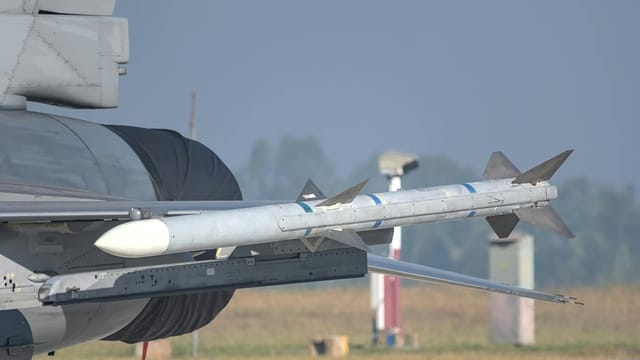
Iran Publicly Debuts 'Mudstone' Ballistic Missile — Footage Signals Shift in Tehran's Strike Posture
Iran on March 15, 2026 released footage of what it calls the Mudstone ballistic missile in its first public firing, showcasing a mobile launch and an apparent emphasis on survivability. While technical specifications remain unverified, the unveiling underscores Tehran's continued emphasis on missile forces as a central deterrent and a means of strategic signaling to regional rivals.
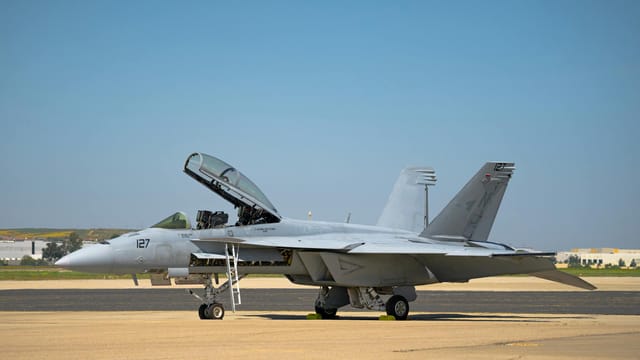
Iran Releases Photos Showing Damage to U.S. Defensive Works at Prince Sultan Air Base
Iran released photos claiming damage to defensive structures at the Prince Sultan Air Base in Saudi Arabia during the 51st wave of its "Real Promise 4" campaign. The base houses a major U.S. military presence that supports Saudi air defences and operational sorties, making the reported strikes strategically significant and a potential flashpoint for escalation.
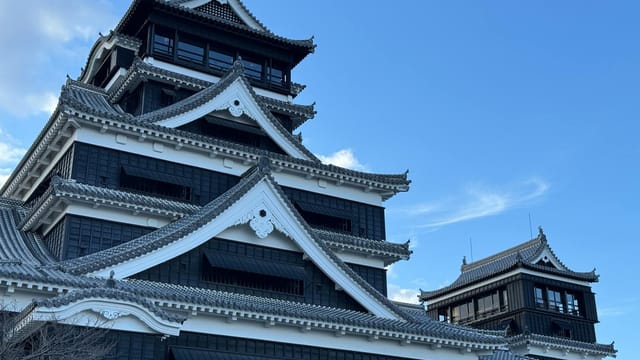
Japan's Deployment of Long‑Range Missiles to Kumamoto Signals a Shift from Pacifism to Strike Capability
Japan's plan to station two long‑range missile systems in Kumamoto has ignited domestic debate and will reverberate across the region. The weapons — an upgraded anti‑ship missile with roughly 1,000 km reach and a vehicle‑mounted hypersonic glide system — mark a tangible shift toward longer‑range strike options that critics say contravene Japan's pacifist posture.
Tehran Mourns Senior Commanders Killed in US–Israeli Strikes, Raising Fears of Wider Escalation
Iran held a public funeral in Tehran on March 11 for senior commanders killed in US and Israeli military strikes on February 28. The ceremonies are a domestic and international signal of resolve that increases the risk of further retaliation or miscalculation in an already volatile region.

Beijing Sets 2026 Defence Budget at ¥1.94 Trillion, Signalling Continued Military Modernisation
China’s 2026 national budget allocates 1.94 trillion yuan to defence, roughly $270–280 billion, reinforcing a steady trajectory of military modernisation. The public figure understates total military-related spending and will shape strategic calculations across the Asia‑Pacific and beyond.
Iran Releases Night-Time Footage of Missile Salvo Toward U.S. Bases in Iraq, Raising Regional Tensions
Iran released video footage showing multiple missiles launched at night toward U.S. bases in Iraq, a move that amplifies Tehran’s strategic messaging and raises the risk of escalation. The public dissemination of the strikes complicates U.S.-Iran relations, pressures the Iraqi government, and could ripple through regional security and markets.
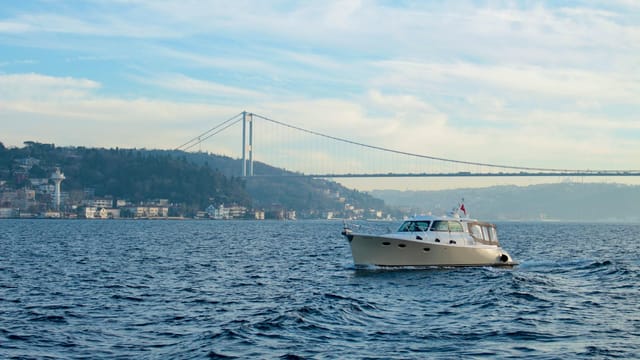
NATO Air-Defences Shoot Down Missile From Iran Direction Over Eastern Mediterranean, Debris Lands in Gaziantep
A missile launched from the direction of Iran toward Turkey was intercepted on March 9 by a NATO air and missile defence system in the eastern Mediterranean, with debris falling in Gaziantep and no casualties. Ankara emphasised its commitment to defend its territory while calling for others to heed its warnings, leaving attribution and motive unclear and raising the risk of miscalculation in an already tense region.