
Technology News
Latest technology news and updates
Total: 2561
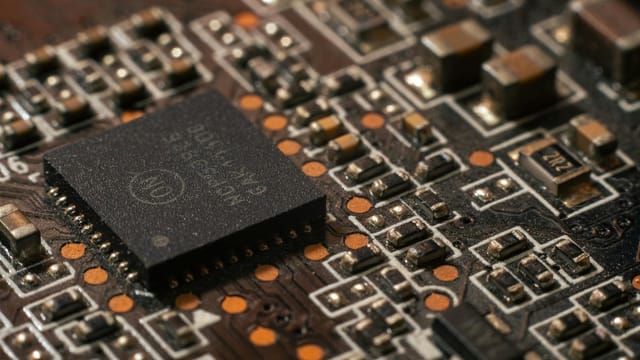
The Rise of the 'Token Factory': Huawei and Hongxin Electronics Pioneer a Domestic AI Computing Hub in Wuxi
Hongxin Electronics and Wuxi High-tech Zone have partnered to launch a 'Token Factory' powered by Huawei Ascend 384 super-nodes. This infrastructure project aims to provide high-density domestic computing power to support the growing demands of China's generative AI sector.

Google’s Existential Counter-Offensive: The 2026 I/O Ecosystem Gambit
Google is set to unveil a massive ecosystem overhaul at its 2026 I/O conference, centering on the Gemini 4.0 model, a new 'Aluminium OS' for PCs, and agentic AI tools. The strategy shifts Google from a search-first company to an AI-first ecosystem, challenging rivals like OpenAI and Apple through integrated hardware and autonomous digital assistants.

The 'Zero-Fee' Mirage: Why China’s Telecom Giants Are Resisting the Pay-As-You-Go Push
Rumors of a nationwide shift to zero-monthly-fee plans by China's major telecom operators have been debunked by industry experts and official denials. While China Unicom has introduced a metered plan, it still requires a minimum monthly spend, highlighting the persistent tension between consumer demand for flexibility and the high fixed costs of maintaining the world's largest 5G network.
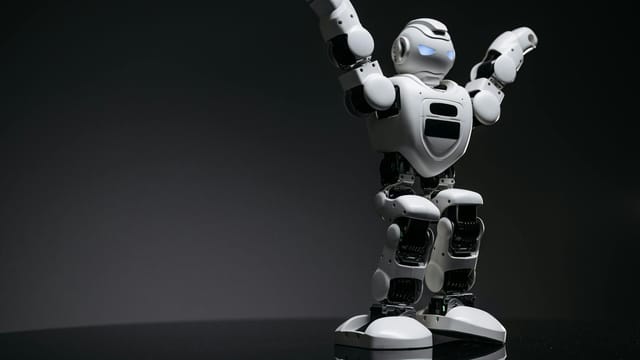
Silicon Soldiers and Autonomous Brains: Inside China’s Push for the ‘Intelligentized’ Battlefield
The 11th Beijing Military Expo showcased China's rapid advancement in AI-driven warfare, featuring humanoid robots, autonomous command systems, and sophisticated drone countermeasures. The event highlights a strategic shift toward 'intelligentized' operations and a significantly accelerated R&D cycle for military technologies.

The 2027 Horizon: China’s Solid-State Battery Giants Pivot to Gadgets Before Cars
Chinese battery leaders like CATL and BYD have set 2027 as the key year for solid-state battery production, but are shifting their initial focus from mass-market EVs to robotics and drones. Technical hurdles and high costs are driving a strategy of 'small-scale first' to prove safety and refine manufacturing.
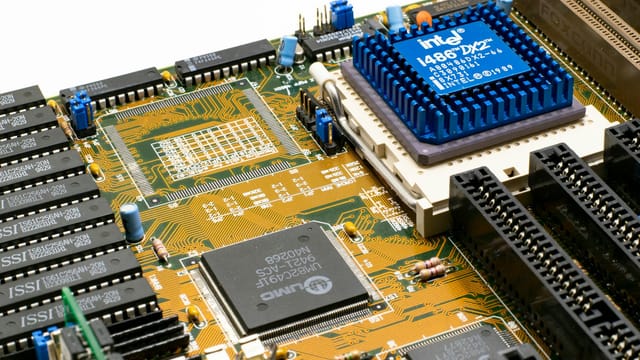
China’s Orbital Ambition: Launching the World’s First Photonic Computing Satellite
China has initiated the development of the world’s first photonic computing satellite, aiming to replace electronic processing with light-based systems to overcome orbital power and heat constraints. The project, slated for 2026 deployment, seeks to move AI processing directly into orbit, significantly reducing the costs and latency associated with traditional satellite data management.

The Martian Economy: SpaceX Eyes a Trillion-Dollar Payroll for the Red Planet
SpaceX is reportedly developing a trillion-dollar compensation framework to support the colonization of Mars, signaling a shift from technical exploration to the creation of a self-sustaining extraterrestrial economy. This move highlights the growing commercialization of space and sets a high bar for global competitors in the aerospace sector.
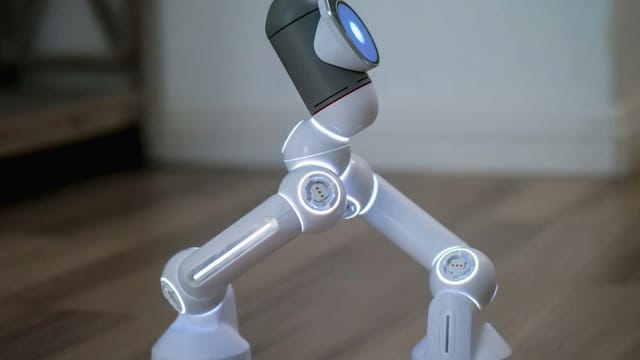
From Pancakes to Punches: China’s 'Embodied AI' Ambitions Take Center Stage in Hangzhou
The 2026 Hangzhou International Embodied Robot Competition drew a record 200 teams, showcasing a shift toward practical, high-utility robotics. While humanoid boxing was a crowd favorite, autonomous catering and rescue robots saw significant commercial interest, underscoring China's push for dominance in Physical AI.
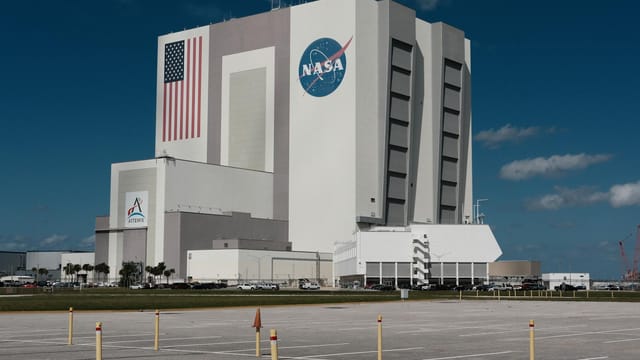
From Lab to Launchpad: CAS Space Milestone Signals China’s Shift to Industrialized Orbit
CAS Space has become the first Chinese commercial rocket company to reach the 100-satellite launch milestone, signaling a major transition in the country's aerospace sector from experimental research to industrial mass production. This achievement underscores China's strategy to lower orbital delivery costs and increase launch frequency to compete in the global commercial space market.
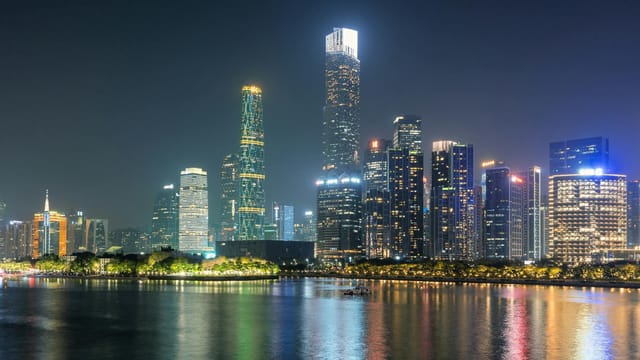
Guangzhou’s Haizhu District Pivot: Betting on Hyperspectral AI to Lead the Next Wave of Urban Industry
Guangzhou's Haizhu District is accelerating its transformation into a high-tech hub through a new AI and hyperspectral technology alliance. By fostering global talent and securing major industrial investments, the district is cementing its transition from traditional trade to advanced, R&D-driven urban manufacturing.

The Silicon Valley Wall: Anthropic’s Lobbying Signals a New Front in the US-China AI Schism
U.S. AI giant Anthropic is lobbying for stricter controls on China, claiming a narrow 12-24 month window remains to secure American dominance. Critics argue this 'fear-mongering' is a self-serving tactic to bolster valuations while ignoring the collaborative nature of AI safety.
The Outsider on Air Force One: Why Jensen Huang’s China Mission is a Fight for Nvidia’s Future
Nvidia CEO Jensen Huang’s last-minute inclusion in a high-level U.S. trade delegation to China underscores the tension between Silicon Valley’s market needs and Washington’s security hawks. Huang is battling a perception of disloyalty while strategically attempting to prevent the rise of a rival AI ecosystem in China that could challenge Nvidia's global CUDA standard.