
Policy & RegulationAnalysis
China Accelerates Global Standards for Smart Locks and Care Robotics
New standardization efforts aim to boost interoperability and global integration across smart home ecosystems and elderly assistive devices.
Share
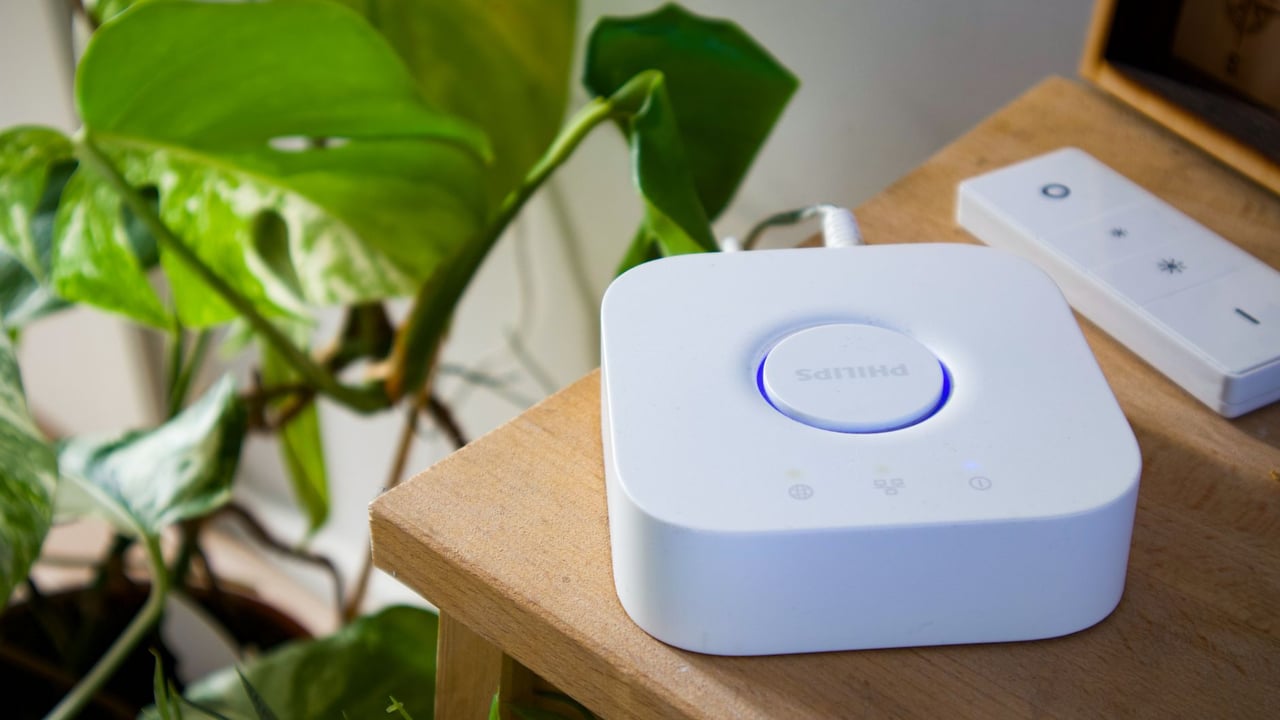
Photo by Pascal 📷 on Pexels
The Brief
China is accelerating its participation in international standardization frameworks for smart home devices, focusing on key consumer segments including smart door locks and elderly care robotics, state broadcaster CCTV reported. The push seeks to advance unified technical specifications, enhance cross-device connectivity, and integrate domestic technological implementations into multilateral standard-setting bodies such as ISO and IEC. As adoption of connected hardware and assisted-living technology grows, Beijing aims to strengthen interoperability, improve consumer data security, and facilitate global market access for domestic hardware manufacturers.
Why it matters
Establishing shared technical baselines for smart locks and elderly care robots addresses persistent interoperability hurdles across proprietary hardware ecosystems. By steering international standards, industry bodies can harmonize communications protocols, bolster security standards against unauthorized digital access, and ease foreign market entry barriers for smart manufacturing firms.
China context
China's State Administration for Market Regulation and the National Standardization Administration have consistently prioritized the internationalization of internet-of-things (IoT) and smart home standards. Backed by a vast domestic supply chain and an aging demographic driving demand for silver-economy technologies, authorities view standardization as essential for industrial upgrading and high-quality digital consumption.
Editor's View
EDITOR'S VIEW — Analysis and inference, not factual reporting.
Standardization initiatives in connected hardware are increasingly technical battlegrounds where industrial competitiveness and digital governance intersect. China's focused approach on smart locks and care robotics reflects clear pragmatic priorities: securing entry points in smart homes while addressing critical demographic pressures. How smoothly these domestic frameworks translate into widely accepted ISO/IEC standards will serve as an indicator of Chinese industry's broader technical influence.
What to watch
- Formal release timelines and adoption procedures for ISO/IEC-aligned smart lock standards
- Subsequent project approvals and draft publications regarding elderly assistive and companion robotics
- Compliance and cloud architecture adaptations implemented by major Chinese smart device vendors
Key Takeaways
- 1State media reported that China is accelerating international standardization work for smart home hardware, notably smart locks and elderly care robots.
- 2The effort targets enhanced interoperability, security, and protocol alignment through global standard-setting organizations like ISO and IEC.
- 3The standardization push supports broader industrial policies focused on IoT expansion and technology-enabled elderly care solutions.
China is stepping up its participation in the development of international standards for the smart home industry, placing particular focus on connected smart door locks and elderly care assistance robotics, according to a report by state broadcaster CCTV.
The push comes amid widespread adoption of automated home technologies and an expanding market for eldercare devices. By engaging more actively in global standardization processes—typically coordinated through international bodies such as the International Organization for Standardization (ISO) and the International Electrotechnical Commission (IEC)—Chinese industry authorities aim to resolve persistent compatibility barriers across fragmented ecosystems and proprietary protocols.
Smart door locks represent a sensitive core component of residential IoT networks, where standardizing cloud-to-device communication architectures, biometric data protection, and cryptographic authentication is essential for physical and digital security. Meanwhile, assistive and companion robotics designed for senior living require stringent benchmarks covering functional safety, automated navigation, and human-robot interaction in home environments.
Chinese standardization authorities have been aligning domestic industry practices with international norms to ensure that domestic manufacturers maintain competitiveness as global technical requirements evolve. Integrating local engineering standards into multilateral frameworks is seen as an effective measure to lower certification hurdles in overseas markets and ensure smooth interoperability among multi-brand home appliances.
While the push reflects growing policy attention to digital consumption and the burgeoning silver economy, the adoption pace of these technical standards across commercial lines will depend on international consensus-building and the speed at which domestic hardware vendors adapt their firmware, cloud management platforms, and data governance frameworks.
Sources
- 事关智能锁和养老机器人 我国智能家居国际标准化建设提速 — China News Service · 9/4/2026