
# Energy%20Security
Latest news and articles about Energy%20Security
Total: 220 articles found

Brinkmanship in the Strait: Can Pakistani Diplomacy Stave Off a US-Iran Conflagration?
Recent military escalations in the Strait of Hormuz have brought the U.S. and Iran to the brink of conflict, fueled by Israeli pressure and economic sanctions. While Pakistan is actively mediating to prevent an all-out war, the structural divide over maritime sovereignty and regional influence continues to drive the two nations toward a dangerous stalemate.
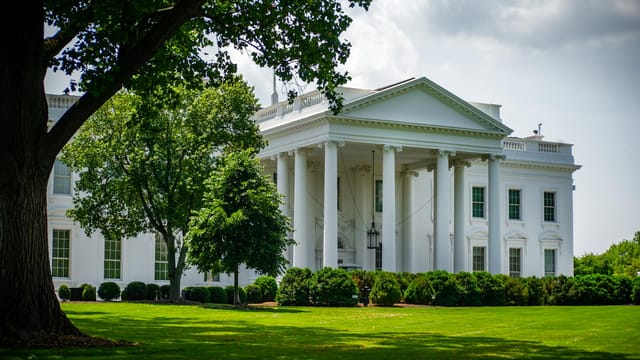
Trump’s 'Plan B': The White House Signals Military Escalation as Iran Talks Falter
US Secretary of State Marco Rubio has signaled a pivot toward military contingencies as diplomatic efforts with Iran stall over the reopening of the Strait of Hormuz. With President Trump reportedly weighing a decisive strike to conclude the conflict, the pressure on European allies to join a US-led coalition has reached a critical boiling point.
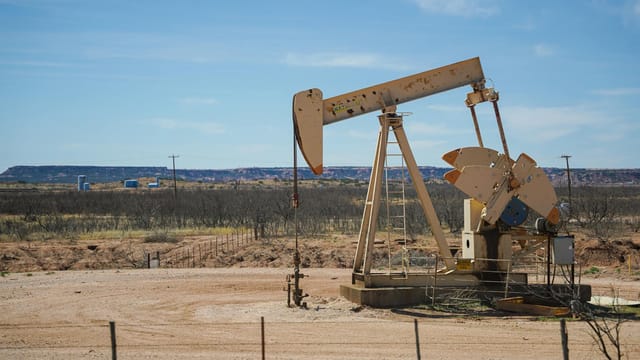
Crude Reality: Trump’s Iran Signal Shatters the Oil Market’s Supply Panic
Oil prices crashed by more than 7% after President Trump signaled that U.S.-Iran negotiations are entering their final stages, overriding a record drop in U.S. crude inventories. The market is currently prioritizing geopolitical de-escalation and the reopening of the Strait of Hormuz over significant physical supply shortages at key delivery hubs.
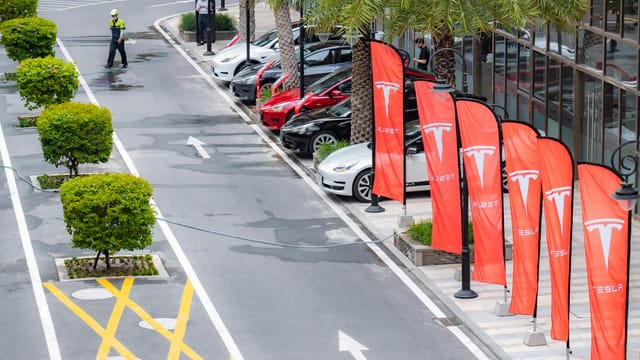
Crude Conflict, Electric Gains: How Mideast Volatility is Accelerating the EV Transition
The IEA reports that escalating tensions in the Middle East are driving a record-breaking surge in electric vehicle adoption as a strategy for energy security. Global EV sales are expected to reach 23 million units by 2026, fueled by volatile oil prices and China's dominance in battery innovation.
Crude Realities: Japan’s Petrochemical Crisis and the Fragility of Global Supply
A disruption in the Strait of Hormuz has triggered a severe naphtha shortage in Japan, forcing major brands to strip color from packaging and sending prices for household goods soaring. The crisis has exposed the deep vulnerability of Japan’s manufacturing sector to Middle Eastern instability, challenging the Takaichi administration’s energy security strategy.
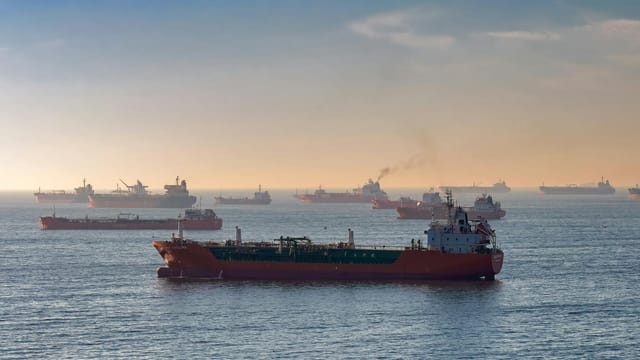
Chokehold on the Hormuz: Iraq’s Oil Exports Collapse Amid Escalating Regional Conflict
Iraq's crude exports through the Strait of Hormuz have collapsed by nearly 90% due to the ongoing conflict involving the U.S., Israel, and Iran. Baghdad is now attempting a strategic pivot toward northern pipelines and increased OPEC cooperation to mitigate the economic impact.
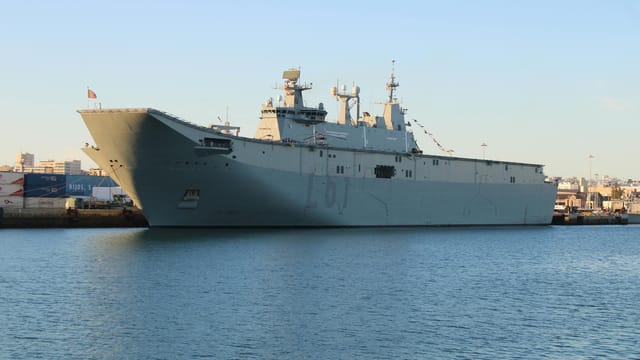
A Third Carrier in the Gulf: France Joins the Hormuz High-Stakes Game
The deployment of the French aircraft carrier Charles de Gaulle to the Arabian Sea aims to bolster maritime security in the Strait of Hormuz, but it risks heightening tensions with Iran. While France frames the move as defensive and diplomatic, the presence of three Western carrier groups in the region creates a significant military flashpoint.
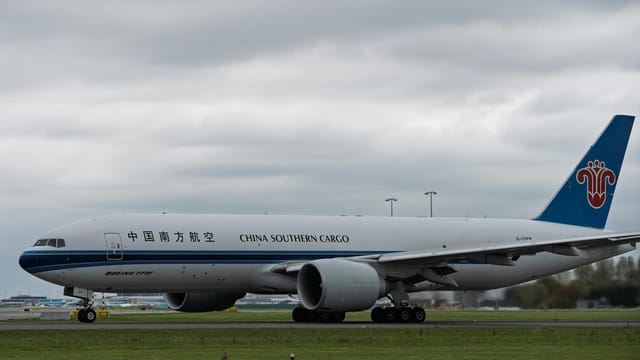
Strategic Ambiguity: Beijing Navigates the Return of the 'Trump Deal' Era
Chinese officials maintained a tone of strategic caution following President Trump's visit, emphasizing 'mutual consensus' over specific deal details in sectors like aviation, rare earths, and AI. The response highlights Beijing's effort to use trade as a stabilizing tool while asserting its own global influence.
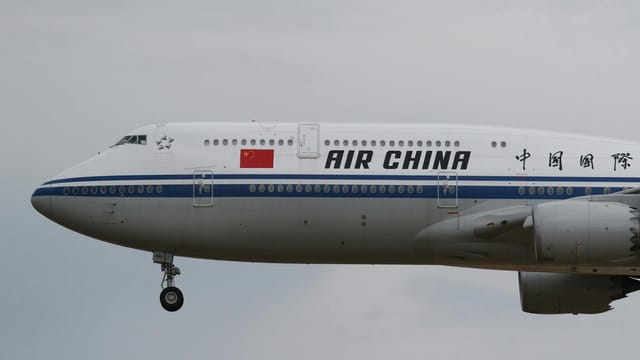
A Tactical Convergence: Washington and Beijing Signal Rare Alignment on Iran and Trade
US and Chinese leaders have reached a significant consensus in Beijing, focusing on Middle East security and trade stabilization. The agreement highlights a mutual opposition to a nuclear-armed Iran and includes a commitment for China to purchase 200 Boeing aircraft and increase American oil imports.

India’s Westward Pivot: Modi Navigates Middle East Volatility and European Ambition
Prime Minister Narendra Modi’s five-nation tour highlights India’s proactive approach to energy security and high-tech industrial cooperation. By engaging both Gulf partners and European innovators, New Delhi seeks to mitigate risks from Middle East instability while advancing its semiconductor and defense ambitions.

Modi’s Diplomatic Sprint: Securing Energy and Technology Amidst Middle East Volatility
Prime Minister Narendra Modi’s five-nation tour to the UAE and Europe aims to secure India's energy supplies amid Middle East instability while forging critical high-tech and defense partnerships. The diplomatic mission highlights India's strategic push to become a central node in global semiconductor and green energy supply chains.
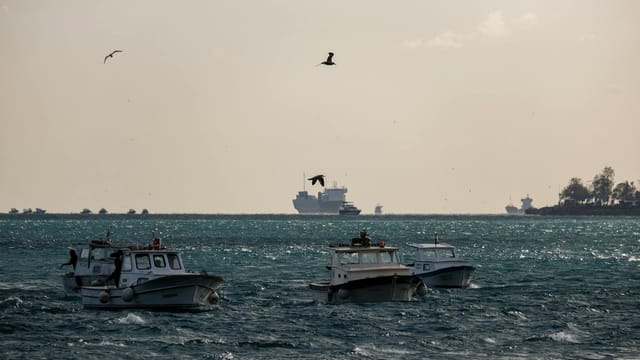
Tehran’s Harder Line: Mojtaba Khamenei and the Pivot to Active Aggression
Iran has officially shifted its military doctrine from passive defense to active offense under the direction of Mojtaba Khamenei. This strategic pivot involves centralized military command, a massive internal purge of alleged spies, and a heightened readiness to disrupt global energy corridors in the Strait of Hormuz.