
# Huawei
Latest news and articles about Huawei
Total: 111 articles found

Silicon Sovereignty: Shenzhen’s Trillion-Parameter Breakthrough Signals New Era for Chinese AI
Researchers in Shenzhen have successfully trained the 1.6-trillion-parameter DeepSeek-V4-Pro model using Huawei’s Ascend 910C chips. This milestone proves that China’s domestic computing clusters are now capable of handling top-tier AI training tasks, marking a significant step in the country's drive to overcome Western semiconductor restrictions.
The Ghost in the Machine: ByteDance’s AI Ambitions Take the Passenger Seat
ByteDance is entering the automotive sector through a strategic partnership with Seres, focusing on integrating its Doubao AI model into vehicle systems. This 'indirect' entry avoids manufacturing risks while positioning ByteDance to dominate the smart cabin ecosystem and user attention within the vehicle.
A Domestic Duopoly: Huawei and Honor Seize Control of China’s Foldable Frontier
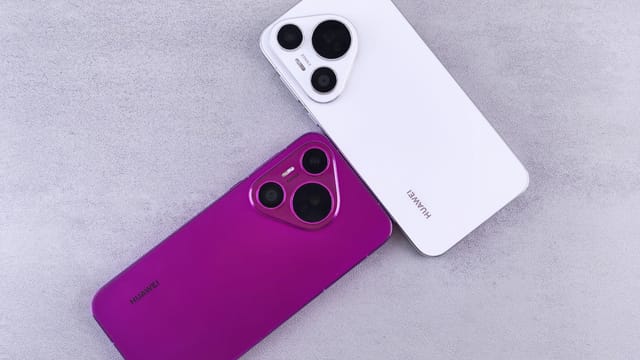
Huawei and Honor have secured the top two positions in China's foldable smartphone market for Q1 2026, with Honor capturing a significant 21% share. This trend highlights the dominance of domestic brands in the premium technology sector and the strategic importance of foldable hardware in China's competitive mobile landscape.
Huawei’s AI Architect Defects to Entrepreneurship: A $100 Million Bet on the Next Frontier
Former Huawei AI chief Wang Yunhe has launched an AI Agent startup, Jiyuan Lüdong, achieving a $100 million valuation in its angel round. The venture marks a significant shift from large model development to autonomous agent platforms for the enterprise market.
The Energy Alchemist: Huawei’s Strategic Pivot to Grid-Forming AI and the Future of the Power Grid
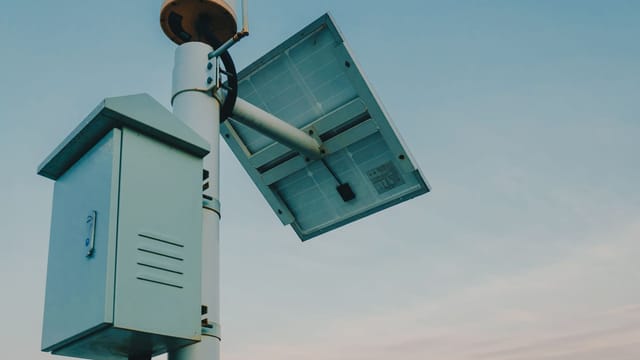
Huawei has launched a next-generation grid-forming PCS solution and an AI-based architecture called FusionSolar Agent to stabilize renewable energy grids. The strategy focuses on transforming AI into a core production factor for managing source-grid-load-storage scenarios, targeting large-scale energy bases and industrial parks.
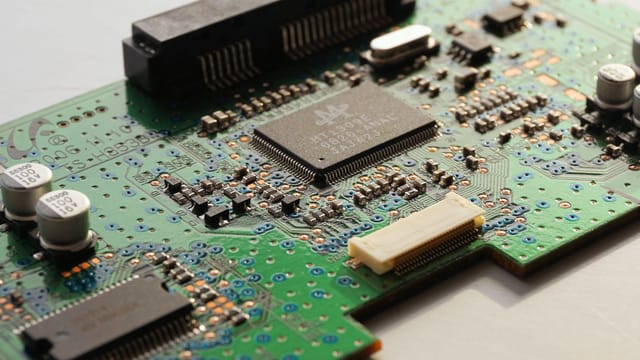
The Post-Moore Pivot: How Huawei’s 'Tao’s Law' Aims to Redefine the Global Semiconductor Race
Academician Chu Junhao discusses the shift from Moore’s Law to Huawei's 'Tao’s Law,' advocating for a new semiconductor strategy that focuses on architectural time-efficiency. This pivot represents China's strategic response to physical scaling limits and Western technological sanctions.
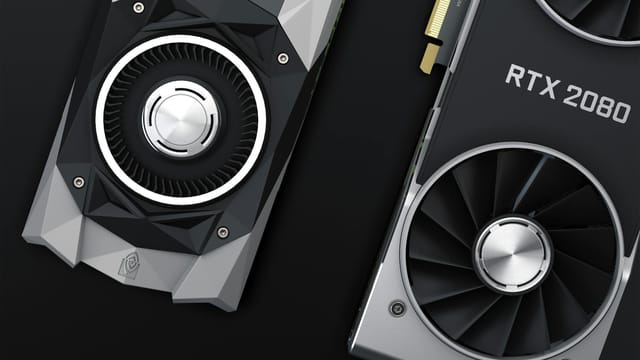
The Tsinghua Gambit: Jensen Huang’s Soft-Power Strategy to Keep Nvidia Rooted in China
Nvidia CEO Jensen Huang is leveraging a strategic position on the Tsinghua University advisory board to maintain influence in China despite U.S. export bans. By rebranding commercial interests as educational partnerships, Huang aims to keep Nvidia integrated into China's AI ecosystem while dismissing fears of AI-driven job losses.
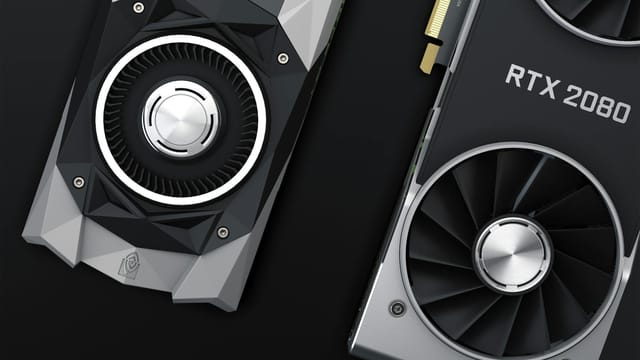
Soft Power and Silicon: Jensen Huang’s Strategic Ascent into China’s “Tsinghua Circle”
NVIDIA CEO Jensen Huang is reinforcing his commitment to the Chinese market by joining the influential Tsinghua SEM Advisory Board while simultaneously refuting claims that AI is responsible for mass layoffs. His strategy involves positioning NVIDIA as an essential ecosystem partner in China to maintain influence despite ongoing U.S. export restrictions.
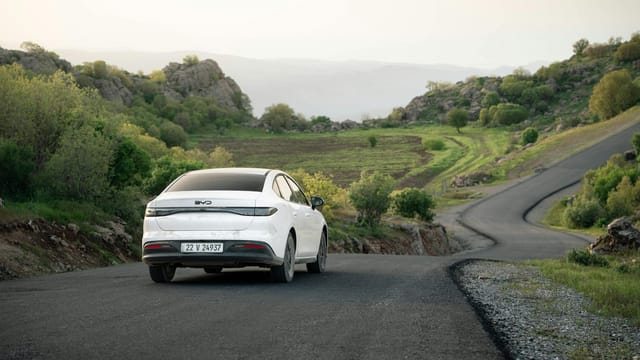
Silicon Valley on Wheels: Domestic Tech Giants Seize Control at the 2026 GBA Auto Show
The 2026 GBA Auto Show in Shenzhen showcases the total dominance of Chinese tech giants like Huawei and BYD, signaling a shift toward vertical integration and advanced autonomous technology. With regional EV penetration hitting record highs, the Greater Bay Area has solidified its position as the world's premier ecosystem for the next generation of smart mobility.
Silicon and Steel: Huawei and GAC Push the L3 Autonomous Frontier with Qijing GT7
GAC and Huawei have launched the Qijing GT7, a premium intelligent sedan priced between 21.99 and 30.99 million RMB. The vehicle features Level 3 autonomous driving hardware and Huawei’s latest Qiankun ADS 5.0 system, marking a significant step in the integration of Chinese tech giants into the automotive manufacturing sector.

Coincidence as Catalyst: How a Linguistic Pun and AI Hype Ignited a 38% Rally for Vision Group
Vision Group, a Chinese battery manufacturer, saw its stock rise 38% due to a linguistic pun linking its name to a Huawei technical announcement. Despite company denials of any partnership, the surge highlights the speculative nature of China's A-share market and the company's desperate pivot toward AI data center infrastructure after years of failed trends.
Beijing’s New Gold Standard: Domestic AI Chips Enter China’s ‘Safe and Reliable’ Inner Circle
China has officially certified nine domestic AI chips from companies like Huawei and Alibaba as 'Safe and Reliable,' a move that formalizes the domestic procurement path for state-backed entities. This development marks a significant step in Beijing's strategy to replace Nvidia's dominance with a homegrown semiconductor ecosystem by 2030.