
# Iran
Latest news and articles about Iran
Total: 1255 articles found
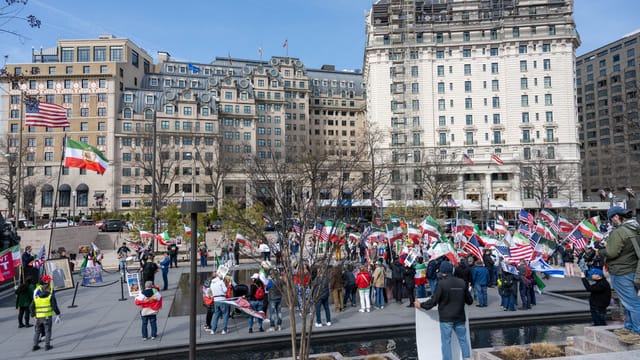
A Digital Detente: Trump and Pezeshkian Signal a High-Stakes Shift in U.S.-Iran Relations
Iranian President Pezeshkian and U.S. President Trump have signed a significant memorandum of understanding via a remote electronic ceremony. The move signals a major shift toward transactional diplomacy and potential de-escalation between the long-time adversaries.

Tehran’s Toll Booth: Iran Signals Permanent Shift in the Strait of Hormuz
Iran’s parliamentary speaker has announced that the Strait of Hormuz will undergo a permanent change in status, including the imposition of 'service fees' on passing vessels. This strategic move aims to institutionalize Iranian control over the world's primary oil transit corridor and create a new source of economic leverage.

The Resilience of the 'Madmen': Chinese Merchants Brave the Rubble of Post-War Iran
Following a devastating regional conflict in early 2026, Chinese private entrepreneurs are returning to Iran to rebuild disrupted trade routes and factories. Despite bombed infrastructure, hyperinflation, and logistical chaos, these merchants view Iran's 80-million-strong market as a high-risk, high-reward alternative to the saturated markets of Southeast Asia.

Trump’s Strategic Pivot: Iranian Missiles and the New Middle East Realignment
President Trump has signaled a major policy shift by stating he does not oppose Iran's possession of ballistic missiles, citing regional proportionality with neighbors like Saudi Arabia. This move contradicts previous U.S. military objectives and has created a significant diplomatic rift with Israel.

Trump’s Strategic Pivot: A Surprise Concession on Iran’s Ballistic Arsenal
President Trump has signaled a major policy shift by stating he does not oppose Iran's possession of ballistic missiles, citing regional fairness. This reversal follows a U.S.-Iran memorandum of understanding that excludes missile restrictions, sparking significant tension with Israel.
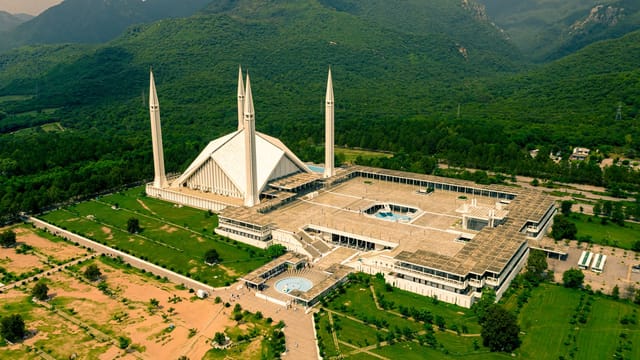
A Grand Bargain in Islamabad: Trump and Iran Signal a Tectonic Shift in Middle East Diplomacy
The United States and Iran have signed a 14-point Memorandum of Understanding in Islamabad, establishing an immediate ceasefire and a roadmap for lifting all sanctions. The deal includes a $300 billion reconstruction fund for Iran and the reopening of the Strait of Hormuz in exchange for nuclear concessions and regional de-escalation.
Trump’s Grand Iranian Bargain: A $300 Billion Private-Sector Carrot for Denuclearization
President Trump has announced that U.S.-Iran negotiations have entered a second, more optimistic phase supported by a $300 billion private-sector investment fund and the immediate lifting of oil sanctions. The deal attempts to secure a nuclear-free Iran through economic integration rather than state aid, while simultaneously creating rare public friction between the U.S. and Israel.
Trump’s Red Line: Inside Israel’s Aborted Mega-Strike on Iran
Israel reportedly canceled a massive airstrike on hundreds of targets in Iran just one hour before takeoff on June 8th. The mission was aborted following a direct intervention by President Trump, highlighting a strategic tension between Israeli military objectives and American regional policy.
The Shadow Accord: Deciphering the Fragile De-escalation Between Washington and Tehran
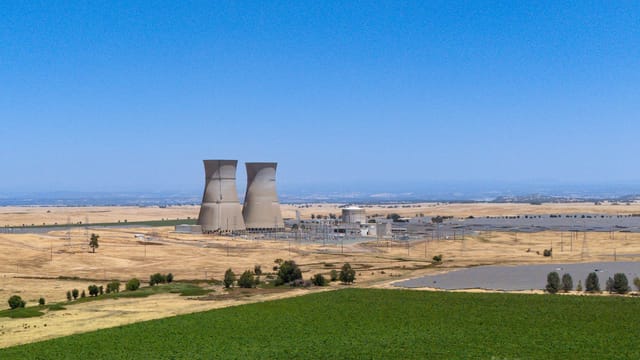
Reports of an unconfirmed MOU between the U.S. and Iran indicate a shift toward informal de-escalation aimed at nuclear containment and economic relief. This 'shadow diplomacy' reflects a pragmatic effort to manage regional tensions while avoiding the political risks associated with formal international treaties.
Trump’s Sword of Damocles: Why the Iran Peace Deal Remains on a Knife-Edge
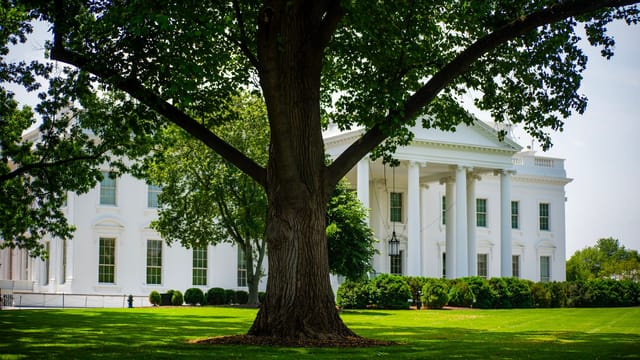
President Trump has tempered expectations regarding a new Memorandum of Understanding with Iran, characterizing it as a non-final agreement subject to immediate cancellation. The threat of renewed military action ahead of the June 19 signing ceremony in Switzerland underscores the fragile nature of current diplomatic efforts.
Chinks in the Iron Shield: Iran’s Missile Salvo Challenges Israel’s Myth of Air Invincibility
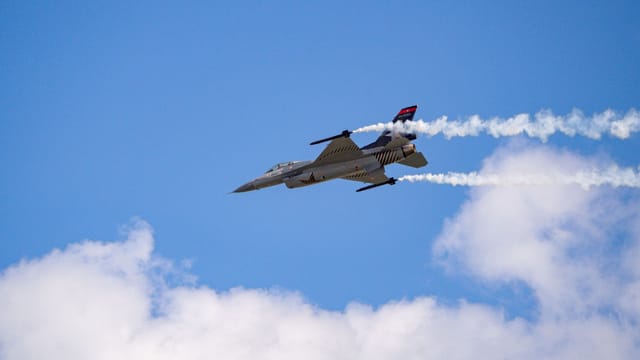
Iran’s massive missile strike on Israeli airbases, including Nevatim, has exposed significant vulnerabilities in Israel's celebrated multi-layered air defense network. The successful targeting of facilities housing F-35 and F-16 fighters suggests that high-velocity saturation attacks can bypass existing interceptors, forcing a strategic reassessment of regional security.
The Unmanned Shield: A Pilot Rescue in Hormuz Reveals the US Navy’s Robotic Future
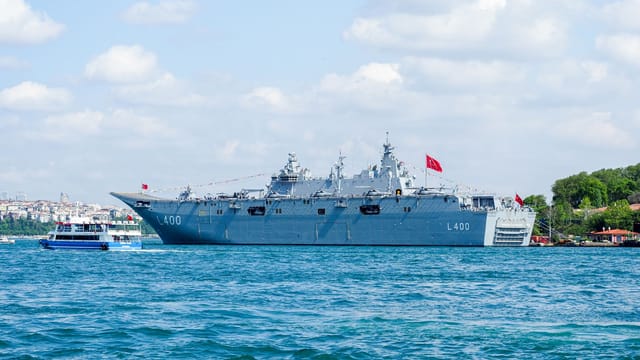
An Iranian shoot-down of a U.S. Apache helicopter in the Strait of Hormuz necessitated a high-stakes pilot rescue using the Saronic 'Corsair' unmanned surface vessel. This operation highlights the U.S. Navy's accelerating shift toward autonomous systems to counter asymmetric threats and loitering munitions in contested waters.