
World News
Latest world news and updates
Total: 3362
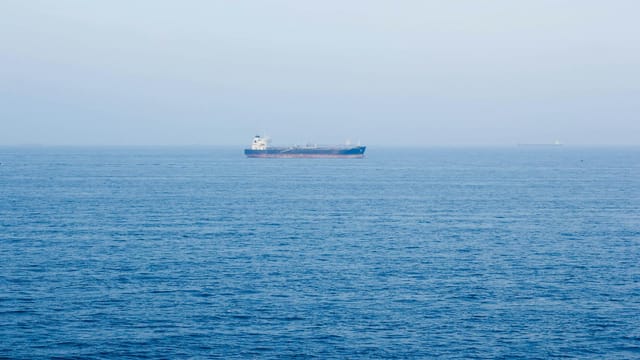
A Strait Through the Storm: Trump Signals Breakthrough in High-Stakes Iran Detente
President Trump has announced a tentative 'peace memorandum' with Iran aimed at reopening the Strait of Hormuz and ending active hostilities. While regional mediators like Pakistan report progress, the deal faces severe pushback from Israel and conflicting interpretations from Tehran regarding maritime sovereignty.
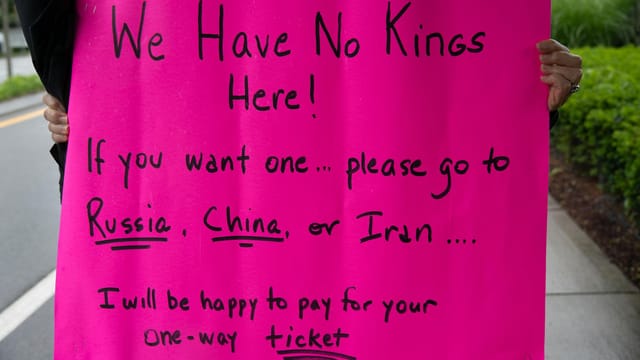
Brinkmanship in the Gulf: Trump Abandons Personal Plans as Washington Prepares for Iran Strikes
President Trump has returned to the White House to oversee preparations for potential military strikes against Iran, cancelling personal plans and putting the military on high alert. The U.S. is currently balancing offensive preparations with tactical troop rotations designed to minimize the impact of anticipated Iranian retaliation.
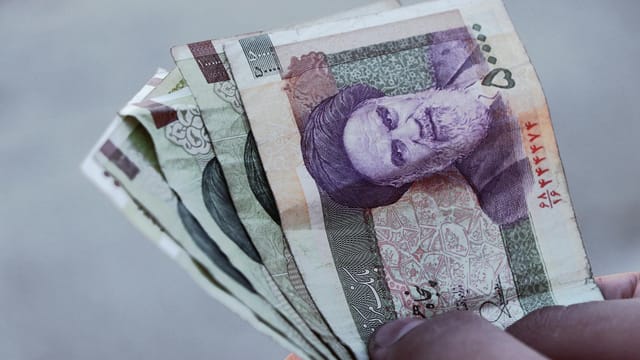
Brinkmanship and Briefing Rooms: Trump Signals a Fragile Diplomatic Window for Iran
President Trump has granted a temporary reprieve from military action against Iran, pivoting toward a diplomatic push for a preliminary Memorandum of Understanding. While regional mediators from Pakistan and Qatar are working to bridge the divide, the threat of limited US-Israeli strikes remains a looming pressure tactic.
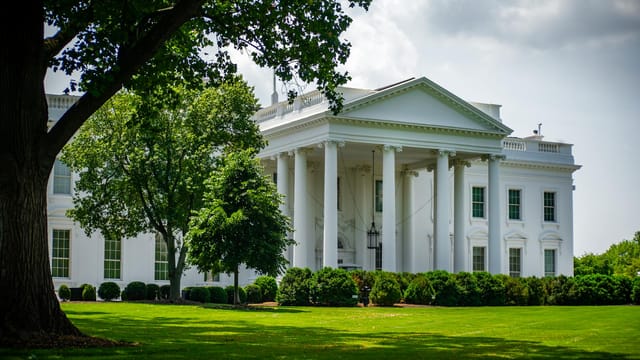
Brinkmanship in the Strait: Washington Teases 'Plan B' as Iran Talks Stagnate
U.S. Secretary of State Marco Rubio has signaled a shift toward military contingencies as negotiations with Iran over the Strait of Hormuz reach a deadlock. President Trump is reportedly considering a 'decisive' military strike to conclude the conflict, amid growing frustration with the perceived lack of support from NATO allies.
From the Cockpit to Economy Class: Netanyahu Sidelined as Trump Pivots on Iran
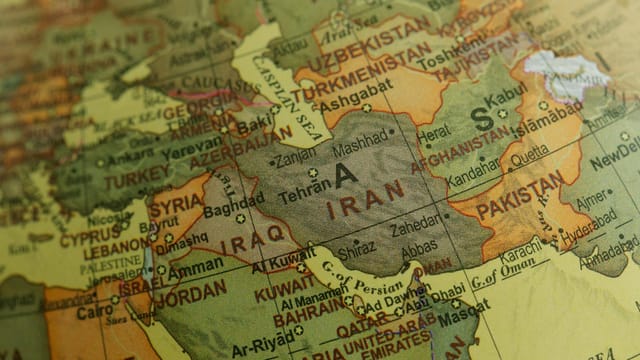
Prime Minister Netanyahu has been largely excluded from ongoing U.S.-Iran negotiations as the Trump administration pivots toward a diplomatic settlement to stabilize global oil prices. The shift represents a significant failure of Netanyahu's 'regime change' strategy and leaves Israel scrambling for intelligence on a deal that may mirror the 2015 nuclear agreement.

Paris Draws a Line: France Imposes Entry Ban on Israel’s National Security Minister
France has officially barred Israel's National Security Minister from entering the country, signaling a severe diplomatic rupture. This unprecedented move reflects growing European frustration with the Israeli government's hardline domestic and regional policies.
The Price of Stolen Valor: Fraud Case Exposes the High Social Capital of Military Identity in China
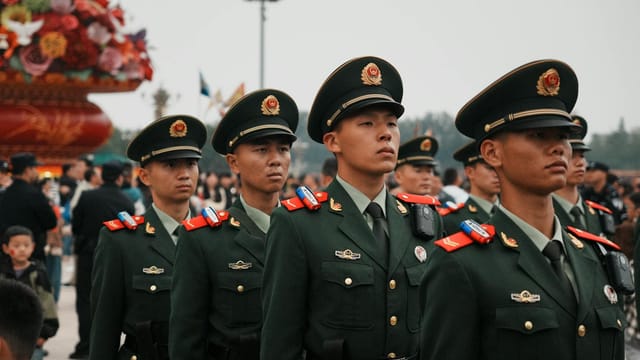
A Chinese man who defrauded an acquaintance of 80,000 RMB by impersonating a decorated veteran and police officer has been detained. The case highlights the persistent issue of 'stolen valor' in China and the state's aggressive stance against those who exploit military prestige for financial gain.
The Long Shadow of a Short Strike: Trump Grants Diplomacy a Fragile Reprieve in the Iran Crisis
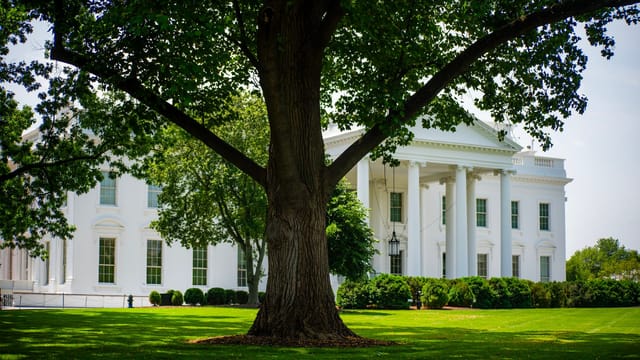
President Trump has opted to delay immediate military strikes against Iran in favor of a diplomatic push for a preliminary framework agreement. While regional mediators like Qatar are working to secure a ceasefire extension, the U.S. and Israel maintain that limited military action remains an active contingency if negotiations fail.
Poland’s New Shield: F-35s Arrive to Fortify NATO’s Eastern Flank
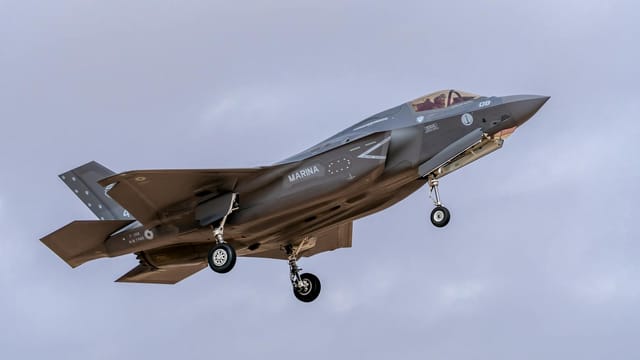
Poland has received its first three F-35 fighter jets, marking the first permanent deployment of fifth-generation stealth technology on NATO’s eastern flank. This delivery is a cornerstone of Poland's massive military modernization and serves as a major strategic deterrent against regional security threats.
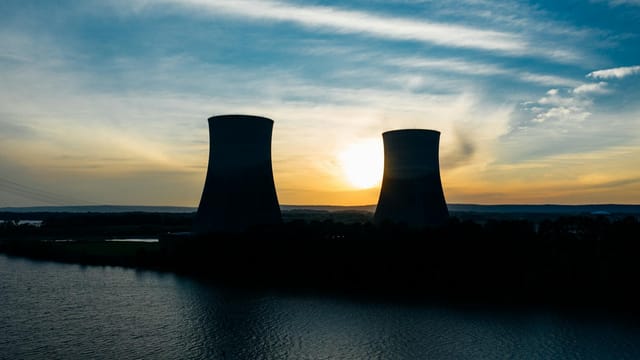
A World Divided: The 11th NPT Review Ends in Stalemate as Nuclear Ambitions Eclipse Diplomacy
The 11th NPT Review Conference concluded at the UN without a consensus agreement, highlighting deep geopolitical divisions and the fraying of the global nuclear non-proliferation regime. Despite four draft versions and a month of negotiations, the 191 signatory states failed to produce a final document, marking a significant setback for international arms control.
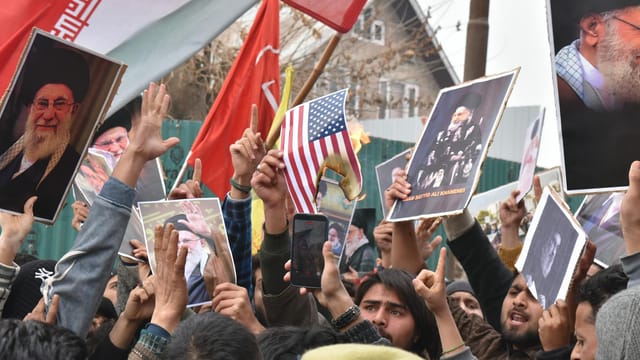
Tehran’s Midnight Diplomacy: Regional Powers Race to Halt Trump’s Imminent Strike
As a potential U.S. military strike looms, Pakistan's army chief and Qatari mediators have converged on Tehran for emergency talks. While Gulf states have successfully lobbied President Trump for a brief delay in hostilities, Iranian officials warn that a significant diplomatic gap remains between the two adversaries.

Brinkmanship in the Strait: Can Pakistani Diplomacy Stave Off a US-Iran Conflagration?
Recent military escalations in the Strait of Hormuz have brought the U.S. and Iran to the brink of conflict, fueled by Israeli pressure and economic sanctions. While Pakistan is actively mediating to prevent an all-out war, the structural divide over maritime sovereignty and regional influence continues to drive the two nations toward a dangerous stalemate.