
# Geopolitics
Latest news and articles about Geopolitics
Total: 1438 articles found
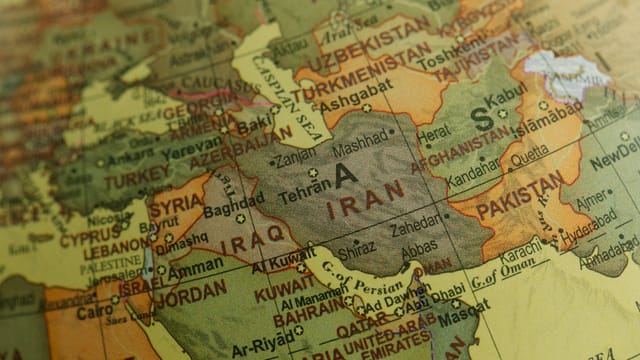
Trump’s 'Bombs for Diplomacy': US-Iran Escalation Risks Regional Inferno
U.S. forces launched significant airstrikes against military targets in southern Iran following the downing of an American helicopter. The Trump administration is utilizing a 'bombs for diplomacy' strategy to force a stalled negotiation, while Tehran warns of a more destructive military retaliation.

Brinkmanship in the Gulf: Trump’s 'Coercive Diplomacy' Risks a Global Shipping Meltdown
A massive escalation between the US and Iran has led to the closure of the Strait of Hormuz and direct military strikes on Iranian infrastructure. The shift from diplomacy to 'coercive strike' tactics reflects a failure to manage regional proxies and a resurgence of maritime instability affecting global trade routes.
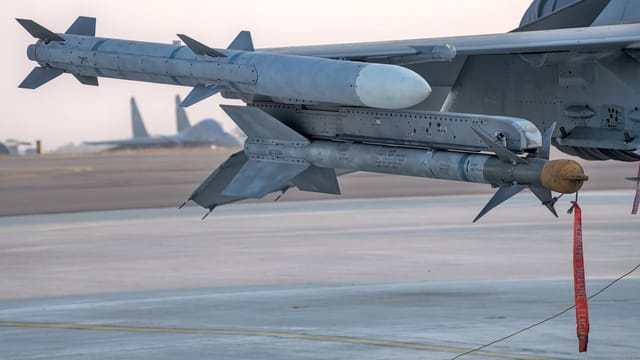
Jordan's Aerial Shield: Intercepting Iranian Volleys and the High Cost of Sovereignty
Jordanian forces intercepted 20 Iranian missiles over the Zarqa Governorate on June 11, 2026, successfully preventing damage to local infrastructure. The event highlights Jordan's firm stance on protecting its airspace sovereignty amid escalating regional hostilities involving Tehran.
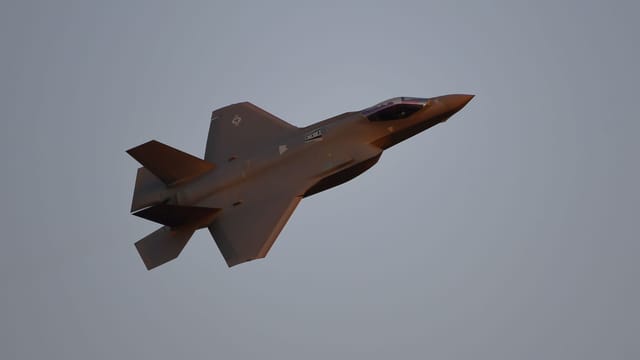
The Calculus of Constraint: Tehran’s Tactical De-escalation Amid Rising Stakes
Following a significant missile exchange on June 8, 2026, Iran has abruptly declared an end to its military operations against Israel. This strategic pause, influenced by US mediation, aims to prevent an all-out war that could threaten the survival of Iran's supreme leadership.

Escalation in the North: Israeli Airstrikes on Sidon and Tyre Signal a Deeper Lebanese Crisis
Israeli airstrikes in Southern Lebanon killed at least 18 people on June 10, targeting major urban centers including Sidon and Tyre. This escalation underscores the growing risk of a broader regional war as diplomatic solutions remain elusive.
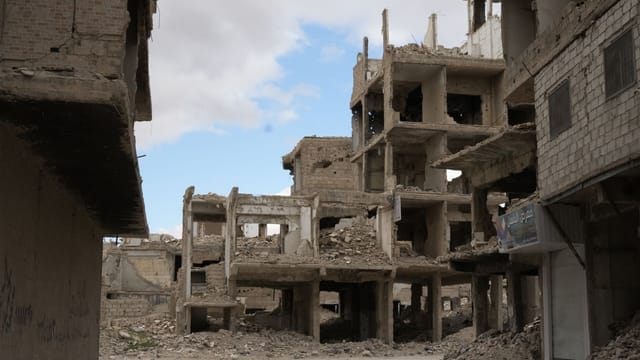
Middle East Brinkmanship: The Fragile Stalemate of 'No War, No Peace' Between Washington and Tehran
A major military escalation between the U.S. and Iran has pushed the Middle East to the brink of open conflict, following a series of retaliatory strikes across multiple borders. Despite the violence, backchannel negotiations via Qatar continue as both sides navigate a dangerous 'no war, no peace' deadlock.

Brinkmanship at the Chokepoint: Iran’s Reported Blockade of the Strait of Hormuz
Iran's Revolutionary Guard has announced the closure of the Strait of Hormuz citing U.S. ceasefire violations, though U.S. Central Command maintains that commercial traffic is still flowing normally. The conflicting reports highlight a dangerous escalation in the Persian Gulf that threatens global energy stability.

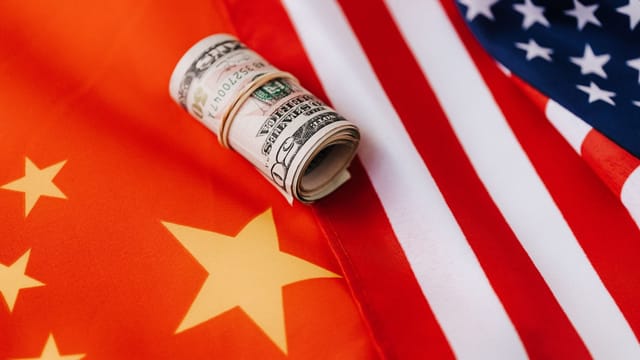
China’s Trade Resilience: The AI Boom and the Price of Global Volatility
China's May 2026 trade performance significantly exceeded expectations, driven by a 19.4% surge in dollar-denominated exports fueled by the global AI boom. While high-end manufacturing and a temporary rebound in US demand provided momentum, the import growth was largely driven by rising commodity prices rather than volume.
Beijing Sounds Alarm as Tokyo Centralizes Intelligence Power Under Takaichi Administration
China has issued a blistering critique of Japan's new National Intelligence Council bill, labeling it a return to pre-war militaristic structures. Beijing argues the centralization of intelligence power under the Prime Minister's Office lacks oversight and signals a dangerous departure from Japan's pacifist constitution.

Tech Contagion: ChiNext Slumps as Regional Turmoil and Geopolitical Heat Rattle Asian Markets
The ChiNext index fell 1.79% as part of a broader market sell-off involving over 4,500 stocks, triggered by regional market instability in South Korea and geopolitical tensions in the Middle East. While speculative AI sectors cratered, state-aligned semiconductor materials firms showed strength, highlighting a strategic shift in investor positioning toward national self-reliance.

The Boy Who Cried Breakthrough: Trump’s Recurring Iran Promises Meet Domestic Discontent
President Trump has claimed for the 37th time that a deal with Iran is imminent, even as his approval rating hits a second-term low of 35%. The ongoing conflict and the resulting blockage of the Strait of Hormuz have caused US gas prices to spike, creating significant political and economic pressure on the administration.

Cross-Border Escalation: US and Iran Trade Direct Blows in Dangerous Regional Shift
The United States launched direct strikes on 20 targets inside Iran following the downing of a U.S. helicopter, sparking immediate Iranian drone and missile counter-attacks against U.S. bases in Bahrain and Jordan. This escalation marks a significant shift toward direct state-on-state conflict in the Middle East.