
# Maritime%20Security
Latest news and articles about Maritime%20Security
Total: 232 articles found
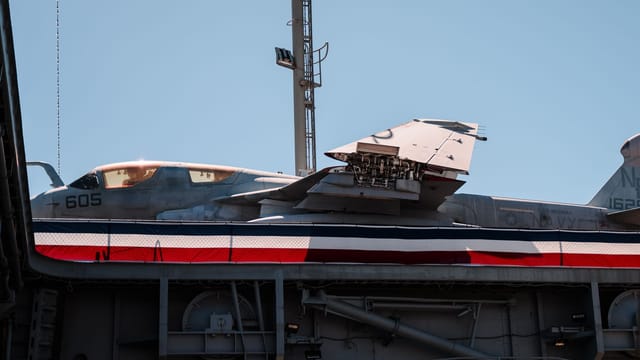
Beijing Asserts Maritime Reach as Liaoning Carrier Group Confronts Japanese Surveillance in West Pacific
China's Liaoning carrier group recently conducted training in the West Pacific, where it encountered and managed surveillance from Japanese forces. The Chinese Ministry of Defense defended the fleet's actions as lawful, emphasizing its growing ability to operate in deep-sea environments despite regional friction.
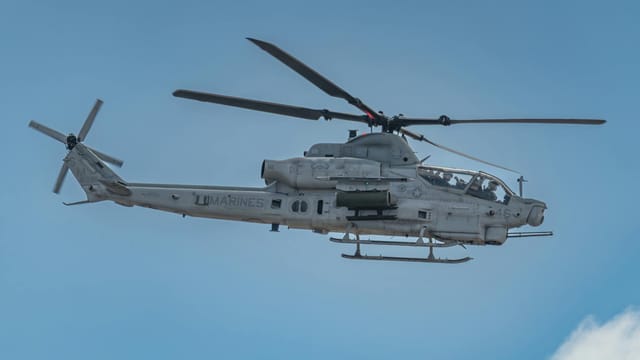
Maritime Strain in the Arabian Sea: US Apache Crash Highlights High-Stakes Patrols off Oman
A U.S. AH-64 Apache helicopter crashed off the Omani coast during a patrol on June 8, 2026. Both crew members were rescued and are in stable condition while an investigation into the cause of the incident begins.
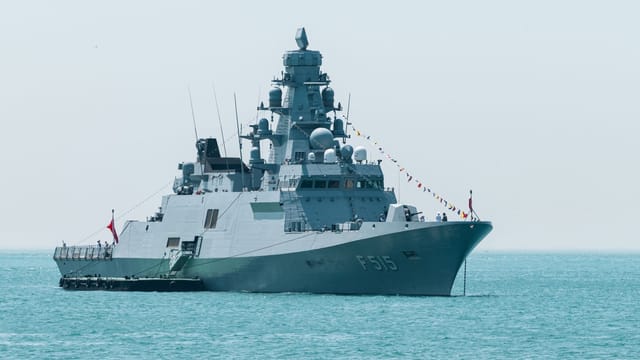
Beijing Projects Sovereignty East of Taiwan with High-Stakes Maritime Patrols
China has launched a significant maritime enforcement operation east of Taiwan, featuring a symbolic flag-raising ceremony on the Haixun 06 vessel. The mission is a direct response to maritime boundary talks between Japan and the Philippines, signaling Beijing's intent to enforce administrative jurisdiction in the Western Pacific.

Brinkmanship in the Levant: Iran’s ‘Warning Shot’ Tests the Limits of Regional Containment
The IRGC launched ballistic missiles at Israel's Ramat David Airbase, citing the collapse of a previous ceasefire and ongoing Israeli operations in Lebanon. While Israel reported no damage due to successful interceptions, both sides are now bracing for a wider regional escalation that could target U.S. assets and global shipping lanes.

Japan’s Naval Diplomacy: Why Jakarta is Reaching for Tokyo’s Cast-offs
Japan and Indonesia are deepening defense ties through the potential transfer of retired Asagiri-class destroyers. This move highlights Jakarta's strategy of balancing Chinese economic influence with Japanese security partnerships to safeguard its maritime interests in the South China Sea.

Dutch Navy Enters the Fray: Beijing Reacts to Rare European Transit of the Taiwan Strait
The Chinese military tracked and photographed a Dutch warship transiting the Taiwan Strait, marking a rare European intervention in the sensitive waterway. The event highlights the growing internationalization of the Taiwan issue as European powers increasingly join U.S.-led efforts to assert maritime freedom in the Indo-Pacific.
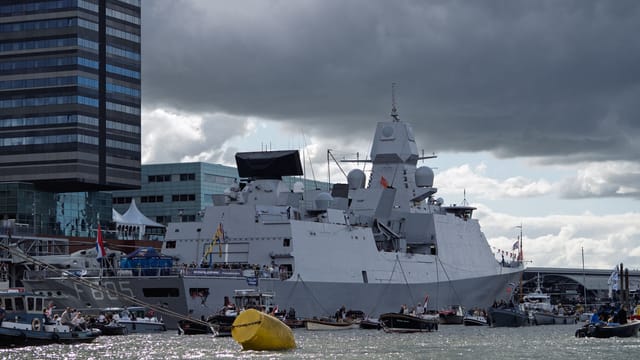
NATO’s Pivot to the Pacific: Dutch Naval Transit Sparks Beijing’s Ire
A Dutch naval transit through the Taiwan Strait has triggered a military response and diplomatic condemnation from China's Eastern Theater Command. The incident highlights the growing involvement of European powers in Indo-Pacific maritime security, challenging Beijing's regional claims.

A Southern Pivot: Australia and India Forge New Maritime Ties Amid Regional Friction
Australia and India have signed a major Maritime Security Cooperation Roadmap to enhance intelligence sharing and naval patrols in the Indian Ocean. The agreement reflects Canberra's desire to diversify its security partners amid rising tensions with China, while India continues to balance its strategic autonomy with regional defense needs.

Echoes of the Past: Beijing Warns Against Japan’s ‘Crisis Narrative’ and Strategic Pivot
The draft 2026 Defense White Paper from Japan has sparked intense criticism from Beijing, which views Tokyo's escalating 'crisis narrative' as a pretext for dismantling its pacifist constitution. The article analyzes Japan's strategic shift toward 'counterstrike' capabilities and weapon exports as a destabilizing force that risks a regional arms race.
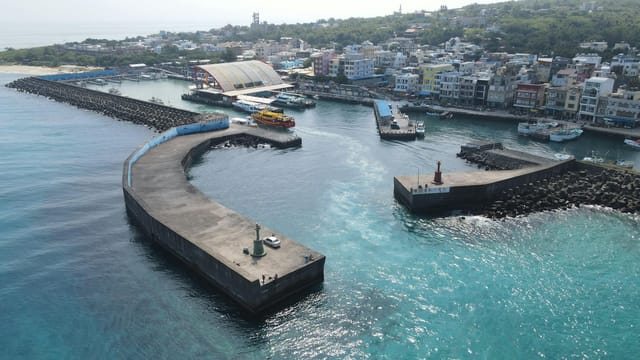
The 96-Hour Silence: Beijing’s Strategic Caution and the Era of 'Managed Coexistence'
China and the U.S. have entered a phase of 'managed coexistence' following maritime security talks in Hawaii. Despite optimistic political rhetoric, deep-seated tensions over Taiwan arms sales and sovereignty remain the primary obstacles to a genuine military thaw.
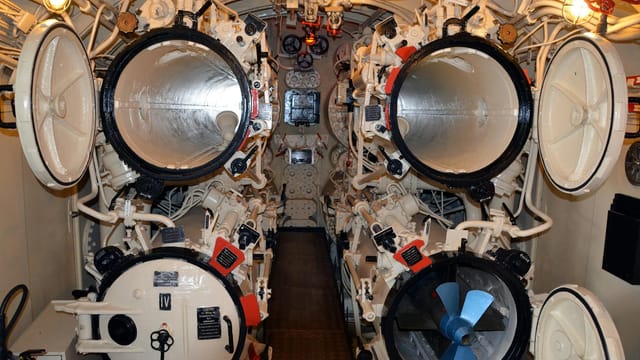
Steel in the Deep: The Psychological Mobilization of China’s Submarine Force
China's military media is intensifying its focus on the extreme psychological resilience of its submarine crews, emphasizing a 'welded-to-the-post' mentality. This narrative highlights the importance of the human element in Beijing’s maritime strategy as the PLAN expands its undersea presence and deterrence capabilities.
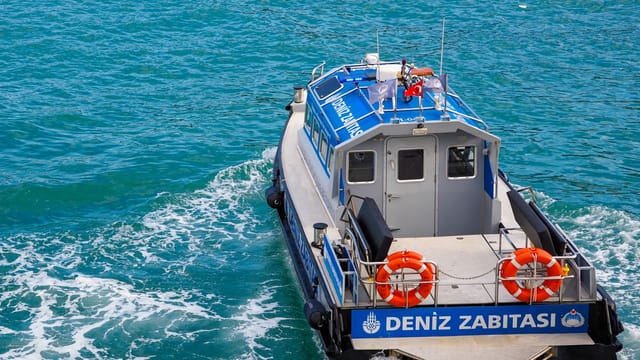
Choke Point Diplomacy: The Strait of Hormuz Standoff and the Future of Global Maritime Order
A deepening diplomatic rift between the U.S. and Iran over the legal status of the Strait of Hormuz has resulted in a significant backlog of commercial shipping near Oman. While Washington demands 'free sea' status, Tehran is leveraging its geographic position to demand a security protocol that ensures its regional dominance.